 Personalized attention +34 96 206 62 98
 SHIPPING TO ALL

 9/10 Rating
 Discreet shipping
 Iniciar sesión
  0
0
Rockwool for Hydroponic and traditional cultivation



Rockwool: The ideal medium for successful growing
Rockwool has become an essential component for both hydroponic and traditional growing systems due to its exceptional properties that promote optimal root development and uniform plant growth. This substrate provides an excellent foundation for healthy and productive plant development. In this guide, we'll dive into the key benefits, top properties, how to choose the right Rockwool, preparation tips, and recommended products to maximize performance. If you're looking to boost the efficiency and productivity of your crops, Rockwool is a must-have growing medium.
What is rockwool and how is it made?
Rockwool is a mineral-based growing medium made from basalt volcanic rock that is melted at temperatures over 1,500°C and then spun into fibers. These fibers are compacted into various formats like cubes, slabs, or trays, making Rockwool a top choice for growers worldwide.
The manufacturing process is 100% inert and sterile, reducing the risk of pathogens and pests. Its fibrous structure also enhances water retention and root oxygenation, ensuring strong plant health and nutrient absorption.
Benefits of using rockwool for growing
Buying Rockwool ensures your plants receive the consistent hydration they need for uniform growth. Its fibrous design efficiently distributes water across the substrate, preventing root dehydration or waterlogging.
Key properties
| Constant Hydration | Rockwool’s standout feature is its exceptional water retention. It ensures plants stay evenly hydrated, promoting steady, healthy growth. |
| Enhanced Oxygenation | Rockwool allows excellent airflow to the roots, reducing the risk of root rot and encouraging vigorous root development. Proper aeration also improves the absorption of essential nutrients and minerals. |
| Neutral pH | Rockwool's neutral pH helps maintain a stable nutrient environment, making it easy for growers to adjust nutrient solutions without interference from the substrate. |
| Pest and Disease Prevention | Being an inert material, Rockwool does not provide nutrients for pests, fungi, or bacteria, keeping your growing environment clean and healthy. |
| Versatility | Rockwool is highly versatile, suitable for both hydroponic systems and traditional soil-based growing. It can be used at all growth stages, from seed germination to flowering. |
Types of rockwool based on usage
Rockwool for clones
Small cubes promote quick and healthy rooting, providing optimal moisture and ventilation for cuttings to develop strong roots.
Rockwool for seeds
For seed germination, small cubes are recommended, to maintain constant moisture without oversaturation.
Rockwool slabs for hydroponic systems
Used for advanced growth stages, slabs support extensive root development in hydroponic setups.
How to choose the right rockwool substrate
Consider particle size
- Coarse Rockwool: Ideal for crops requiring excellent drainage and aeration.
- Fine Rockwool: Best for crops needing higher moisture retention and frequent watering.
Check manufacturer specifications
Each Rockwool brand offers specific recommendations. Always check pH levels, water retention, and durability before choosing the right product for your growing system.
Type of crop
The type of Rockwool also depends on the plants you’re cultivating. Hydroponic crops thrive with Rockwool slabs or cubes, while cuttings benefit from small cubes.
Does water quality affect growing with rockwool?
Yes. Filtered or reverse osmosis water is recommended to prevent salt and mineral buildup, which could affect nutrient uptake. Monitoring electrical conductivity (EC) is crucial for avoiding nutrient lockout.
Common mistakes when using rockwool
- Not adjusting pH before use, leading to nutrient absorption issues.
- Overwatering, causing poor oxygenation and weak root systems.
- Reusing contaminated Rockwool, increasing the risk of disease.
- Neglecting proper irrigation control, resulting in moisture problems.
Tips to improve growing with rockwool
- Controlled Airflow: Use drainage trays to avoid stagnant water contact.
- Drip Irrigation: Ideal for maintaining consistent hydration without excess.
- Frequent monitoring of pH and EC: Allows precise nutrient adjustments.
- Use of Mycorrhizae and Trichoderma: Promotes root health and disease resistance.
Recommended rockwool products
Handpicked to boost your growing results:
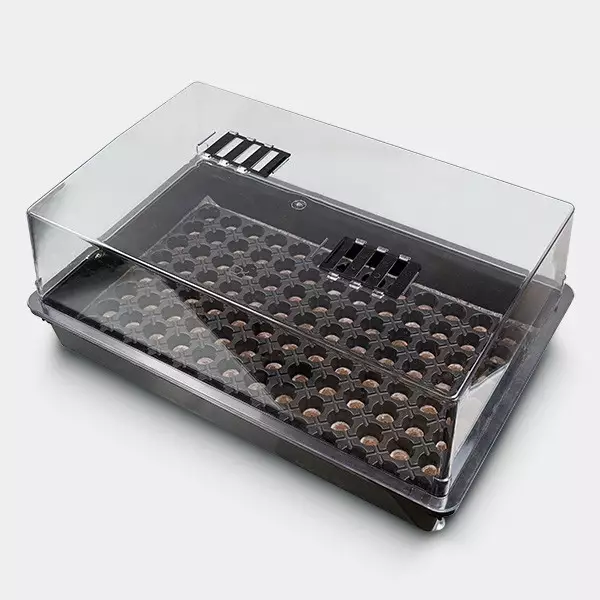
Rockwool Cube Tray
Buy the Rockwool cube tray—perfect for even substrate distribution in your grow room. Its sturdy structure and optimized design create the ideal environment for strong root development and vigorous propagation.
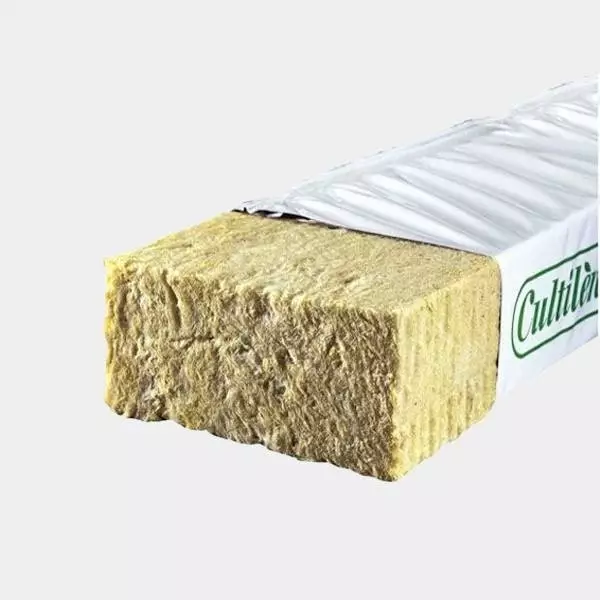
Rockwool Slab
Buy Rockwool slabs to provide a strong foundation for hydroponic systems. Designed to optimize water retention and oxygenation, these slabs maximize plant growth and yields.
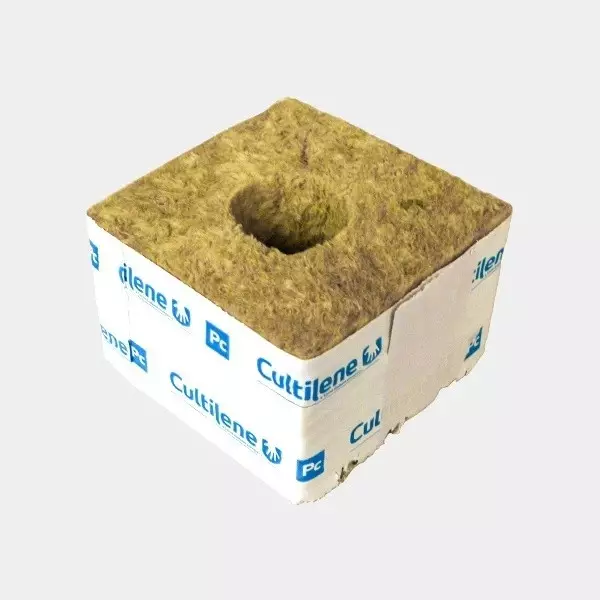
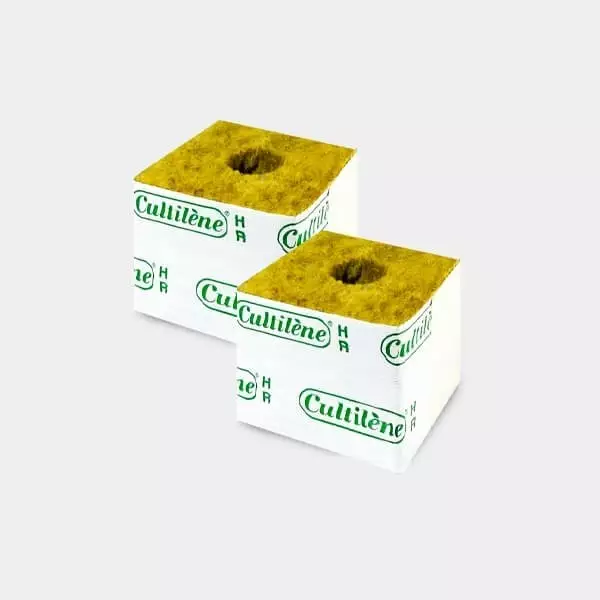
Rockwool Cubes for Cloning
The Rockwool cubes are specially designed for cloning, ensuring optimal moisture and ventilation balance for strong, rapid root development.
How to prepare rockwool for growing
Here’s how to properly prepare Rockwool for best results:
Step 1: Hydration
Soak rock wool in water for 2 to 4 hours to fully hydrate the fibers and avoid dry spots.
Step 2: Rinsing
Thoroughly rinse Rockwool to remove any residual particles that could hinder plant growth.
Step 3: pH adjustment
Use a pH adjustment solution to create an ideal environment for nutrient uptake.
Step 4: Draining and ventilation
Allow Rockwool to drain properly and ventilate before placing plants into it.
FAQs about Rockwool
Is pre-treatment necessary?
Yes, adjusting pH and rinsing is crucial to avoid nutrient lockout.
Can Rockwool be reused?
It’s not recommended, as salt buildup may reduce effectiveness.
How does Rockwool affect watering?
It optimizes water use thanks to its excellent retention and uniform distribution.
Is Rockwool biodegradable?
No, but it’s recyclable and can be repurposed as insulation or construction material.
Which crops benefit most from rockwool?
Mainly hydroponic crops like lettuce, tomatoes, peppers, and cannabis.
How should rock wool be stored?
Store in a dry, moisture-free environment to prevent contamination.