 Personalized attention +34 96 206 62 98
 SHIPPING TO ALL

 9/10 Rating
 Discreet shipping
 Iniciar sesión
  0
0
Whitefly insecticide
Whitefly insecticide Best Sellers
All the catalog: Whitefly insecticide
GB The Green Brand Products

GB Backpack with GB Key ring
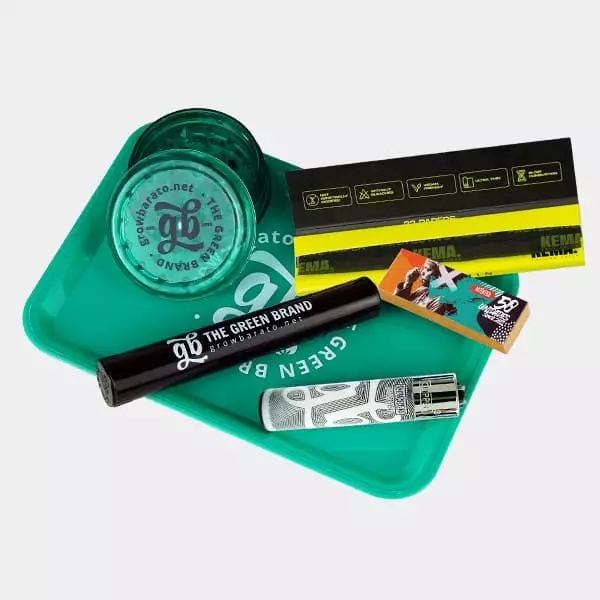
GB Smoker’s Kit

GB The Green Brand USB Electric Lighter


'Critical Friends' CBD Outdoor Flowers Pack
GB Submarine Silicone Bong
GB Ash Catcher
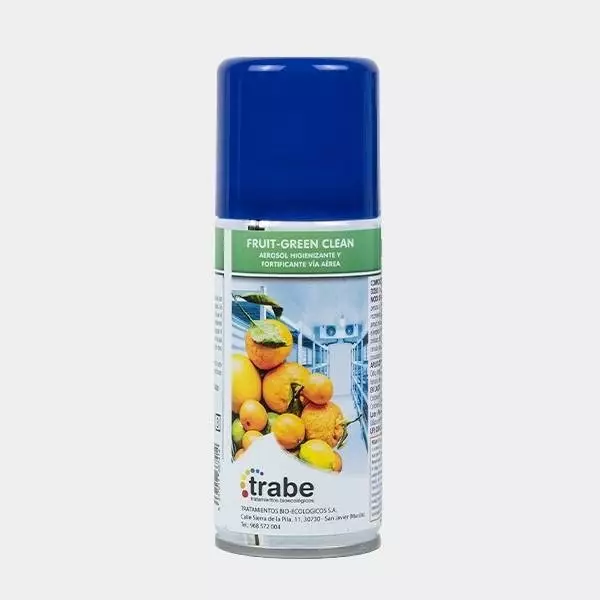
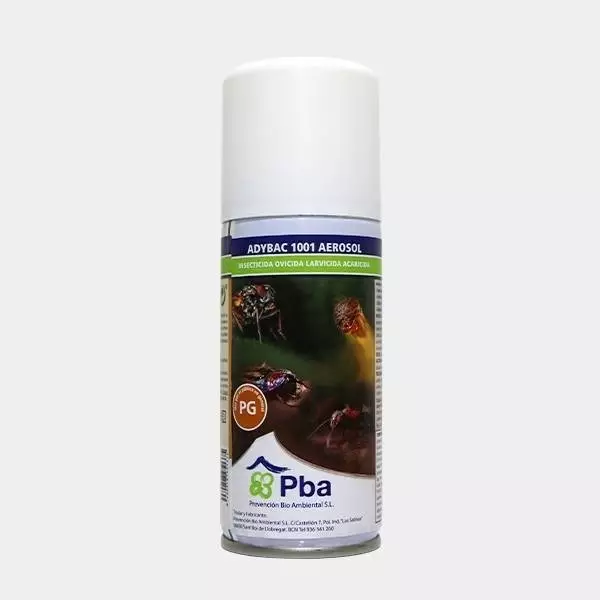
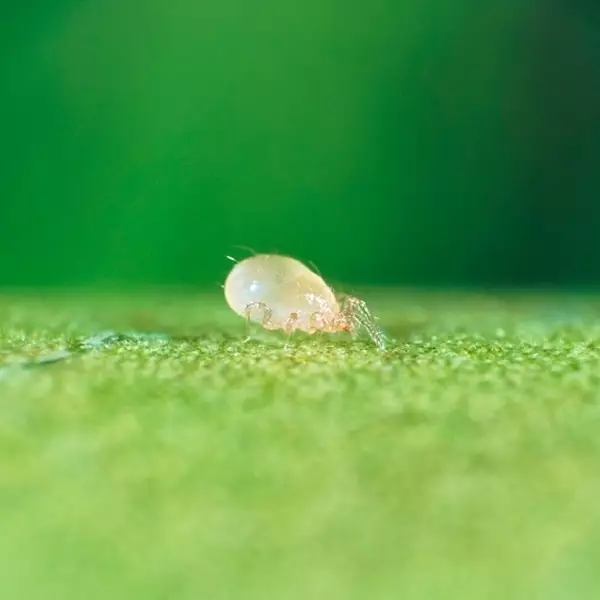
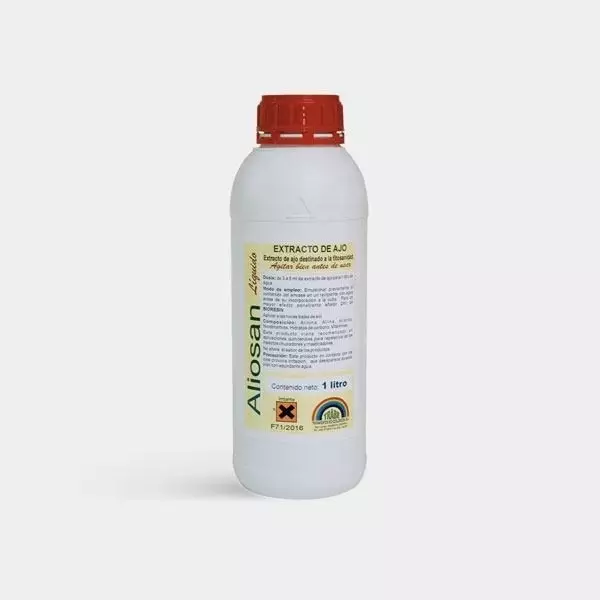
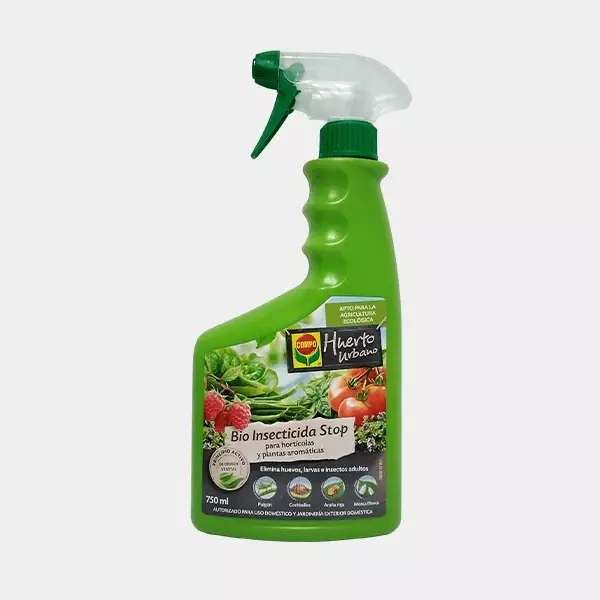
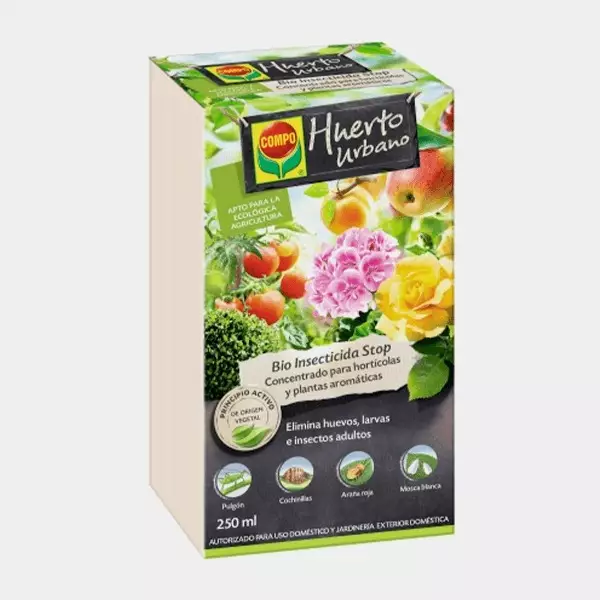
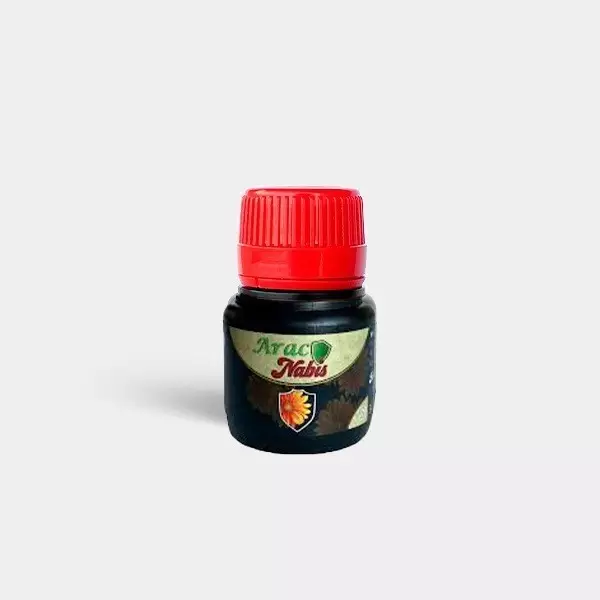
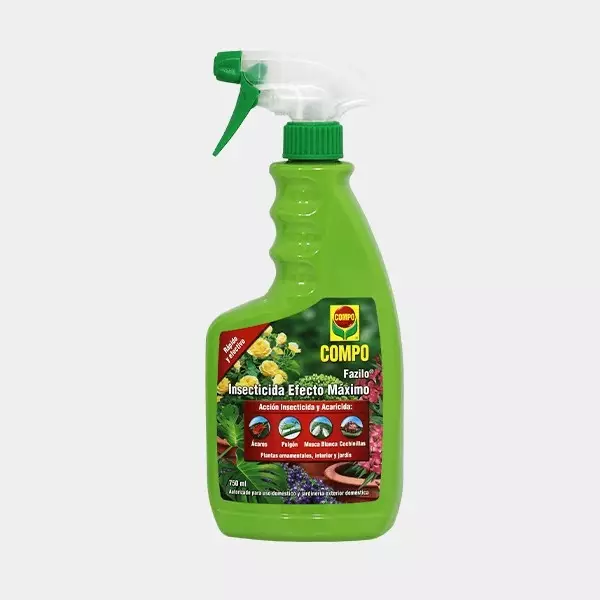
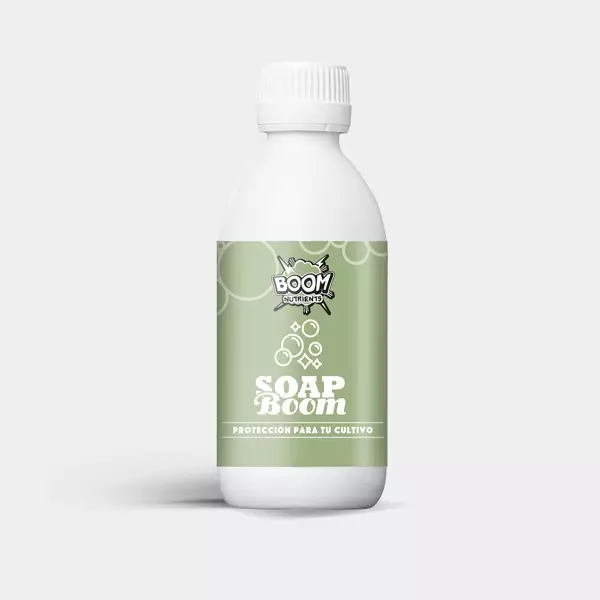
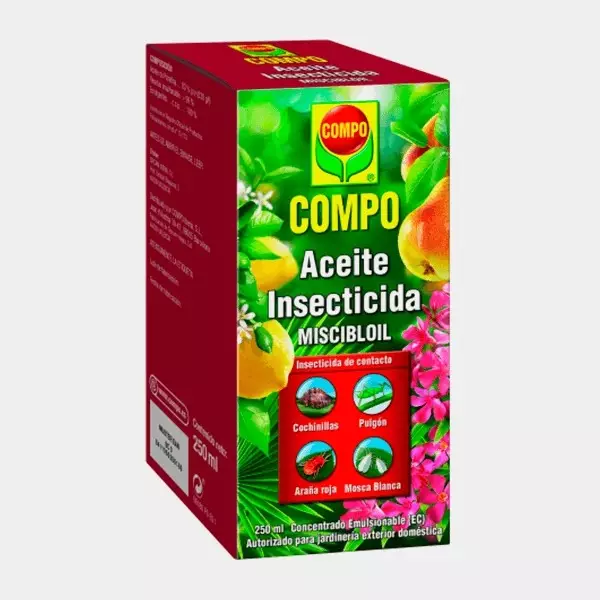
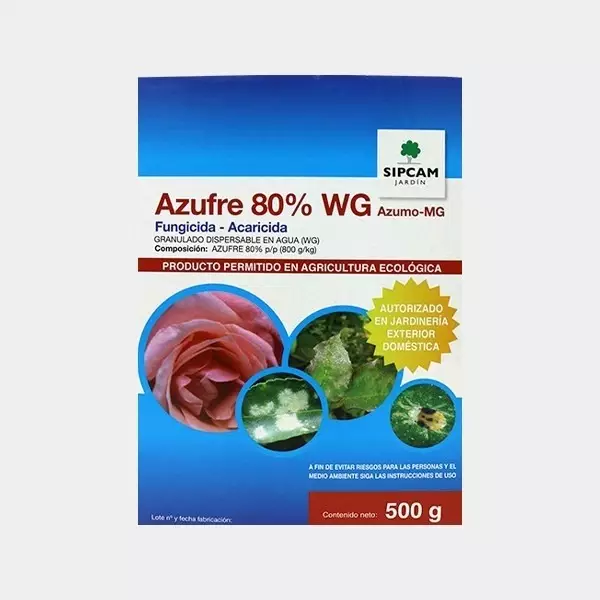
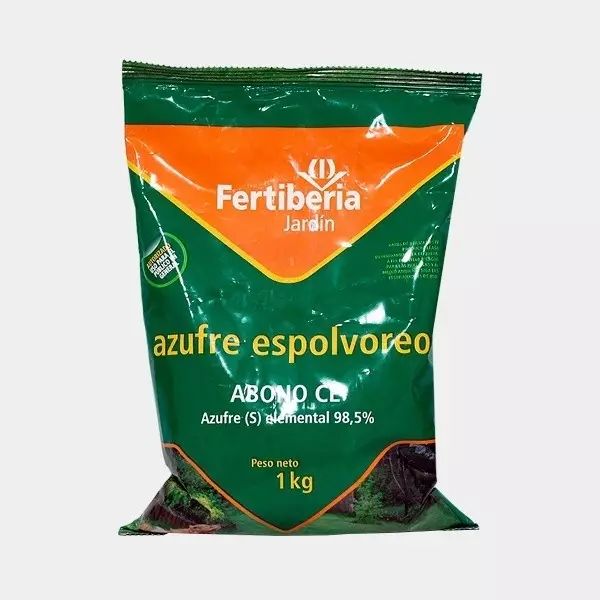
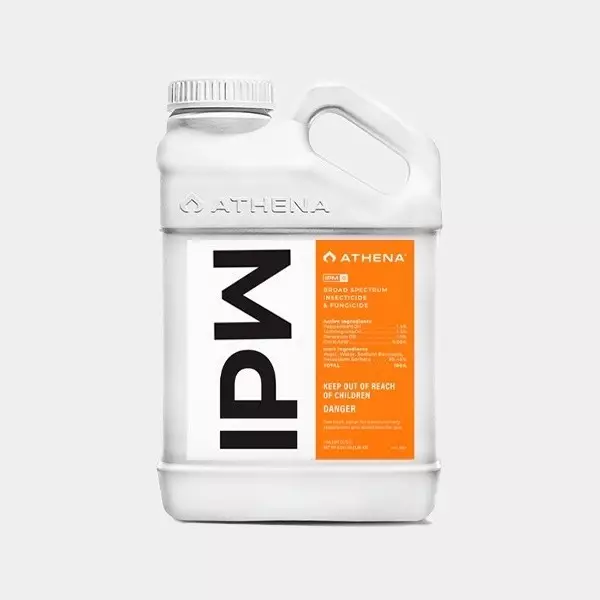
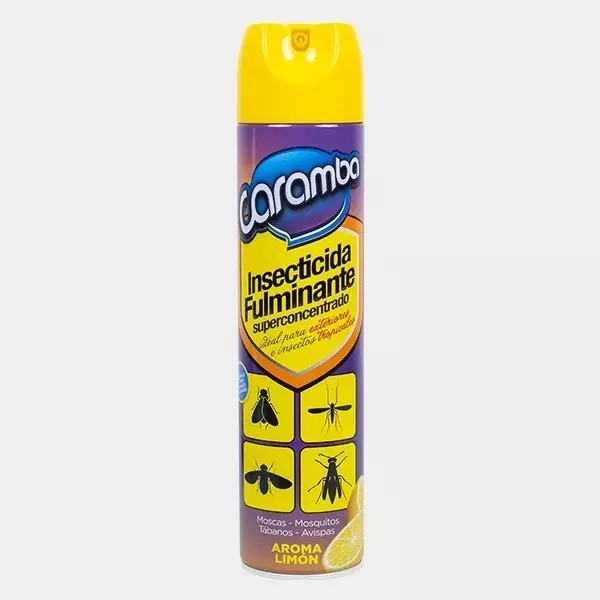

Whitefly insecticide: The ultimate solution
The whitefly is one of the most common pests in marijuana crops, both indoors and outdoors. These tiny insects settle on the underside of leaves and feed on sap until the plant weakens. Their fast reproduction and resistance can turn a small infestation into a serious problem in just a few days. If not controlled in time, they can cause irreversible damage—from leaf discoloration to plant death.
To fight them effectively, it is crucial to choose the right insecticide, whether biological or chemical, depending on the type of infestation. Here you'll find the best options for eliminating whiteflies, protecting your plants, and preventing future invasions. We also offer practical tips on application and prevention to keep your grow healthy and productive.
Benefits of using an insecticide for whiteflies
Choosing the right whitefly insecticide is important to eliminate the pest without leaving harmful residues on your plants, ensuring healthy growth and better yields.
- Fast and effective elimination: A good insecticide can stop the infestation in just a few days and prevent it from spreading quickly.
- Prevents reinfestation: Effective products eliminate not only adult whiteflies but also their larvae and eggs.
- Virus prevention: Whiteflies are vectors of viruses that can seriously affect crops, causing deformities, loss of vigor, and even plant death.
- Reduces fungal risks: Whiteflies excrete honeydew, a sticky substance that promotes fungal growth like sooty mold.
- Safe for all crops: Many products are safe for marijuana and also suitable for vegetables, fruit trees, and ornamentals.
- Safe and controlled use: With the right insecticide, you can manage the pest without harming the environment or crop quality.
- Natural alternatives available: Biological insecticides are eco-friendly options to protect marijuana without chemical residues.
FAQ - Frequently asked questions about whiteflies
When should I apply insecticides for whiteflies?
The best time is at dawn or dusk, when temperatures are lower.
How long does it take to work?
It depends on the product, but effects can be seen within 24–72 hours.
Is it better to use biological control or chemical insecticides?
It depends on the situation. Biological control (with natural predators) is more sustainable and leaves no chemical residue, but it may be less effective during severe infestations. Chemical insecticides act faster but can harm beneficial insects and the environment.
What should I do if the insecticide doesn't work?
Alternate between different types of insecticides to prevent resistance.
Types of whitefly insecticides
To eliminate whiteflies in marijuana crops without affecting bud quality, it's important to choose the appropriate insecticide. First, determine if the infestation is mild, moderate, or severe. This will help decide between targeted or intensive treatment. There are three main types:
Biological insecticides for crops
These whitefly control insecticides contain natural organisms like Bacillus thuringiensis or Encarsia formosa—plant-based extracts that affect larvae without harming the ecosystem. They include natural predators like:
Entomite-M 10000 (Hypoaspis Miles)
This eco-friendly product contains Hypoaspis Miles, a soil-dwelling predatory mite that targets larvae and pupae of fungus gnats, thrips, and other soil pests. These mites are especially effective in moist, organic-rich soil. Apply immediately upon receipt by sprinkling onto the substrate.
Swirskimite Beneficial Mites
Swirskimite mites offer a natural and effective solution against pests like whiteflies, thrips, and spider mites. They leave no chemical residue and die when their food source is gone. Packaged in easy-to-hang sachets, they disperse through microholes. Introduce them upon arrival and handle carefully to avoid damaging the larvae. Best used in warm conditions.
Best chemical whitefly control insecticides
These act quickly, using contact or systemic methods. Systemic ones like Spruzit are absorbed by the plant and kill the pest when it feeds. Contact insecticides like diatomaceous earth kill on direct contact.
Spruzit
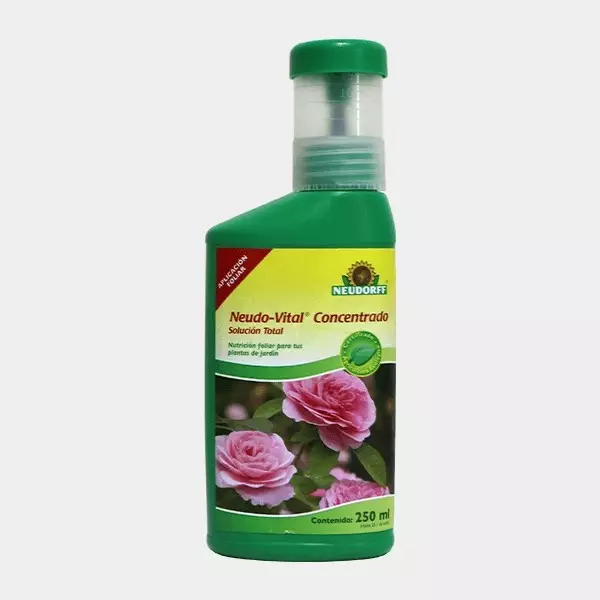
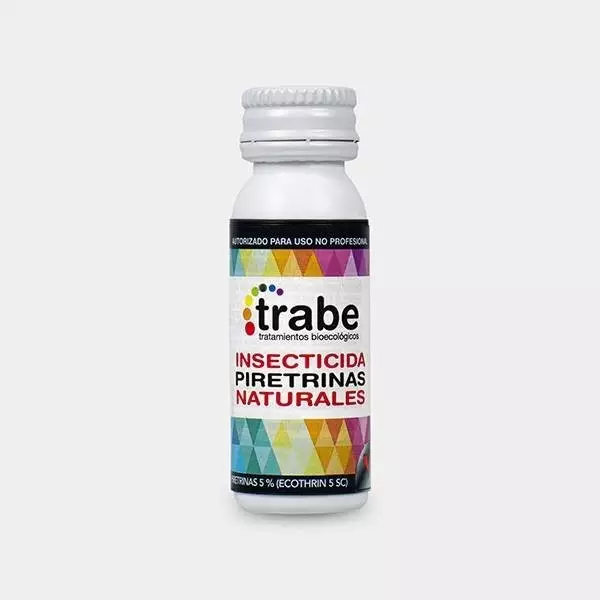
Spruzit® Insecticide - Acaricide by Neudorff is a 100% natural and eco-friendly foliar spray that kills insects in all stages without toxic residues. It contains pyrethrin from chrysanthemums and rapeseed oil for a boosted effect that damages the pest's nervous system and suffocates its eggs.
Decis Protech
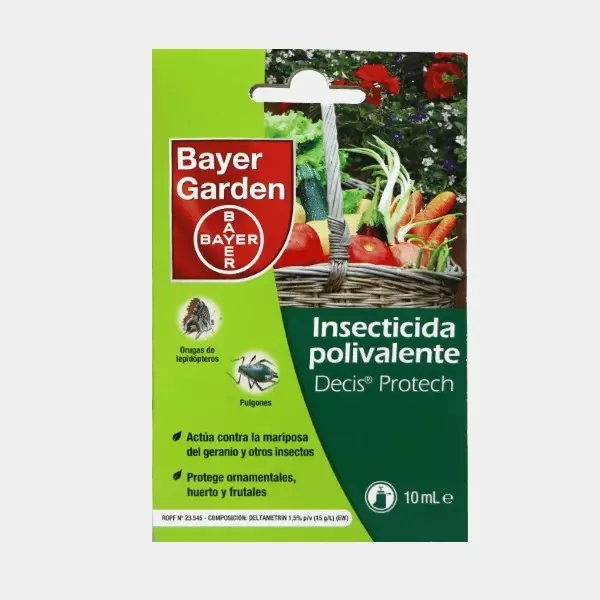
This fast-acting, broad-spectrum chemical insecticide targets common pests such as caterpillars, aphids, thrips, whiteflies, and scale insects. It contains deltamethrin, which works by contact and ingestion, providing knockdown effect. Safe to use up to 7 days before harvest without affecting taste or quality.
Diatomaceous Earth
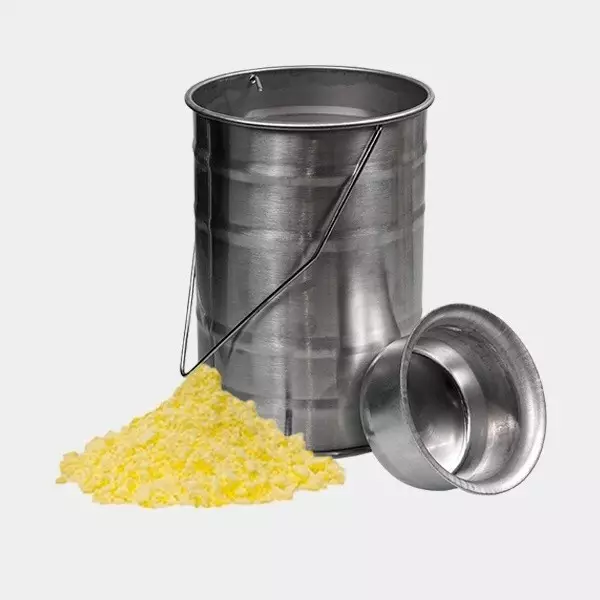
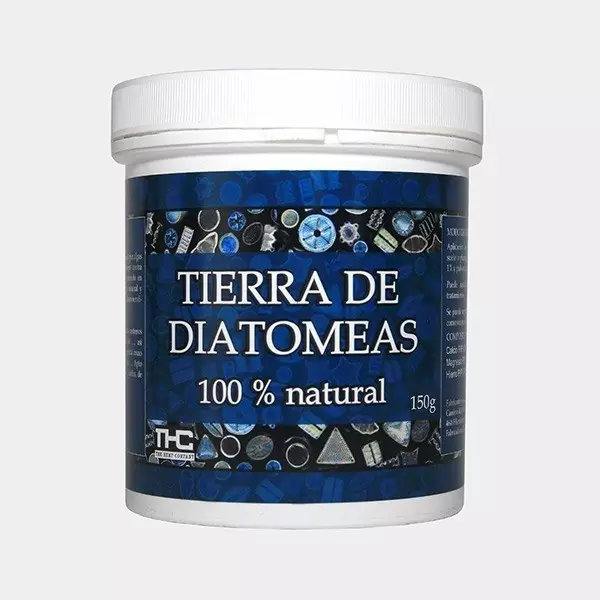
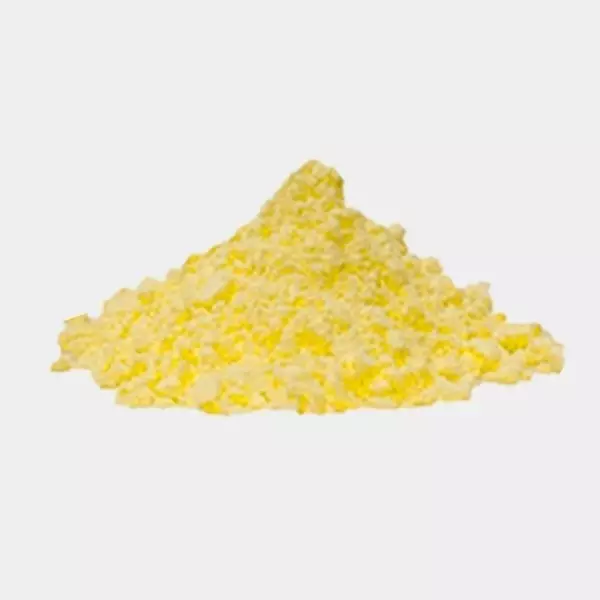
This organic powder insecticide protects cannabis from soil-dwelling pests like ants, aphids, and ticks. Made from diatomite, it acts abrasively on insect exoskeletons, causing dehydration and death. It’s eco-friendly, residue-free, and safe for plants and the environment.
High-Quality oils and soaps in our catalog
These create a barrier on leaves that suffocates whiteflies without harming the plant. One of the most effective is Neem flour, found in several products. Highlights include:
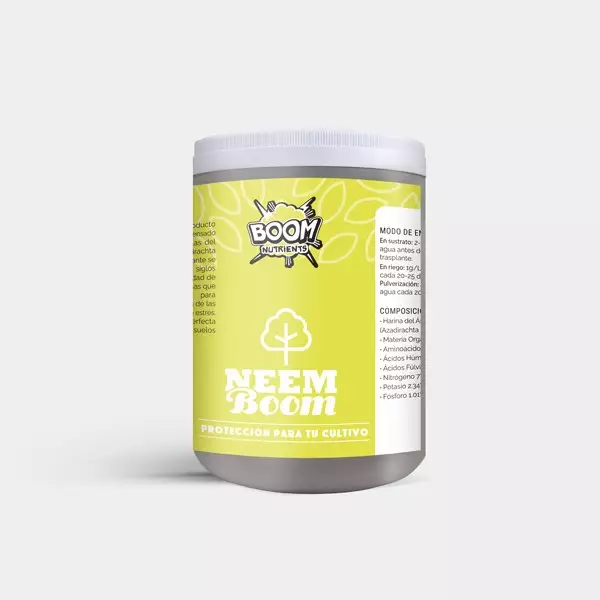
Neem Boom
A 100% organic product made from Neem seed flour, known for its strong repellent properties. Neem Boom also improves soil structure, retains moisture, and supports plant growth due to its amino acids and nutrients (NPK). Apply via substrate, irrigation, or foliar spray.
Neem Cake
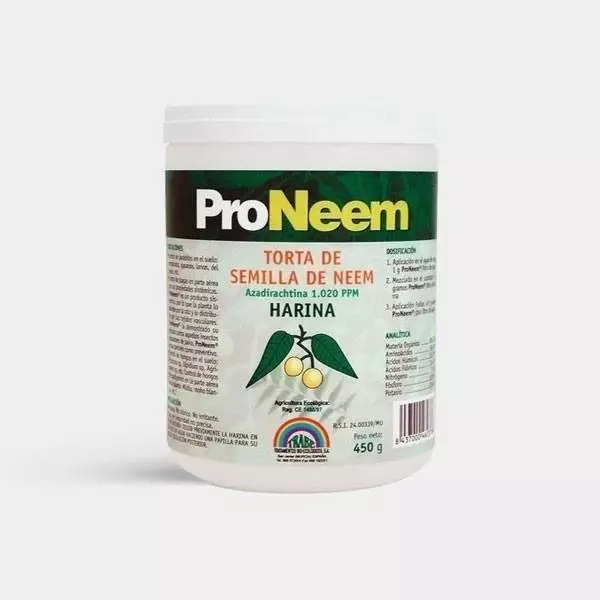
ProNeem by Trabe is a highly effective organic insecticide made from 100% natural Neem seed cake, preserving the tree’s repellent properties. It works systemically, protecting plants from the inside out via root absorption. It repels sap-sucking insects, larvae, and soil pests. It’s both preventive and curative, with no toxic residue and is eco-friendly.
Whitefly control insecticide comparison chart from Grow Barato
To fight this troublesome pest, choosing the right insecticide based on infestation level and crop type is key. Below is a comparison table of our top whitefly control insecticides, analyzing their ingredients, mode of action, and price so you can find the best fit at a glance.
| Product | Active Ingredient | Mode of Action | Application Frequency | Recommended Dosage | Safety Interval |
|---|---|---|---|---|---|
| ProNeem (Trabe) | Neem Cake (Azadirachtin 1,050 ppm) | Systemic and repellent, absorbed through roots | Every 10 days (preventive) / At each transplant (substrate) | 1g/L in irrigation / 2-4g/L in substrate / 4-5g/L foliar | None |
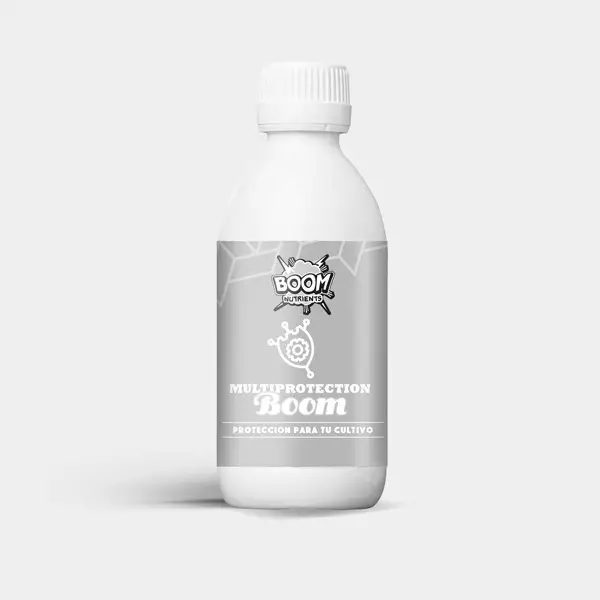
| Multiprotection Boom (Boom Nutrients) | Nitrogen (0.7%), Amino Acids (6%) | Stimulates plant’s natural defenses | Preventive: Every 10 days / Curative: 3 applications in 9 days | 2ml/L (preventive) / 3ml/L (curative) | Not specified |
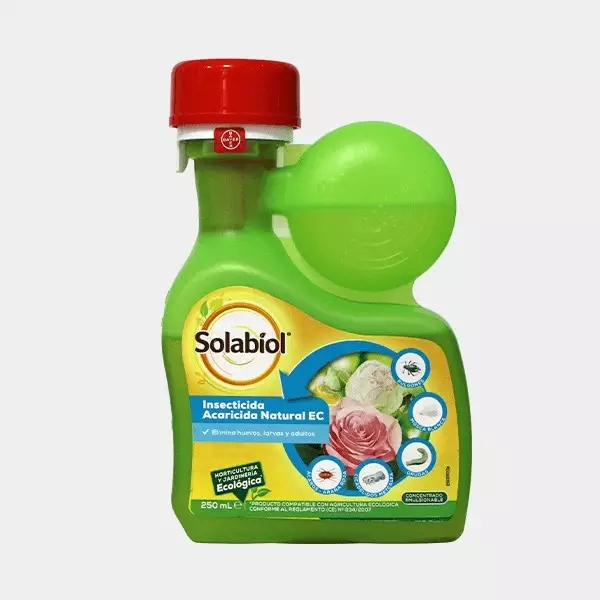
| Solabiol (Bayer) | Rapeseed oil (82.53%), Pyrethrins (0.459%) | Contact | Weekly, up to 4 days before harvest | 10ml/L sprayed | 4 days |
| Diatomaceous Earth (THC) | 100% Diatomaceous Earth (Diatomite) | Contact, abrasive and dehydrating | As needed, applied to soil or sprayed | Sprinkle on substrate / 1g/L spray | None |
| Decis Protech (Bayer) | Deltamethrin (1.5% w/v) | Contact and ingestion, knockdown effect | Weekly until infestation is controlled; stop 21 days before harvest | 0.5–1ml/L sprayed | 7 days |
| Spruzit (Neudorff) | Pyrethrin (4.59g/L), Rapeseed Oil (823.3g/L) | Contact and suffocating effect | Every 7 days | 10ml/L (spider mites, aphids, caterpillars) / 15ml/L (whitefly) | 7 days |
Why choosing the right insecticide for each pest is crucial
Each pest has its own life cycle and behavior. Using the wrong insecticide can be ineffective or even worsen the problem. To fight whiteflies effectively, you must understand their habits and apply a targeted treatment that kills both adults and larvae/eggs.
Why quick action matters
Whiteflies reproduce rapidly, posing one of the greatest threats to marijuana crops. A single female can lay 100–300 eggs in her lifetime and lay new eggs every 2–3 days, potentially leading to huge populations in under a week. Larvae and pupae are more resistant to insecticides, so early control is critical.
The first sign is seeing adults flying around when you touch or move the plant. They are tiny, pale-yellowish white, and typically hide under leaves. That’s the ideal time to act.
Common mistakes: insecticide resistance
Whiteflies can develop resistance to insecticides, especially when chemical products are used repeatedly without rotating active ingredients. This resistance happens when pests genetically adapt and survive treatment. Contributing factors include:
- Repeated use of the same insecticide: Resistant individuals survive and pass on that resistance.
- Incorrect doses: Using less than recommended can leave survivors that adapt.
- No rotation of products: Not switching modes of action helps pests build resistance.
How to prevent resistance
- Rotate insecticides: Switch between pyrethrins, neonicotinoids, spinosad, etc.
- Use pest-specific products: Follow manufacturer guidelines carefully.
- Combine strategies: Integrate insecticides with biological control and good practices (remove infected leaves, use sticky traps, etc.).
- Avoid overuse: Apply insecticides only when needed and at proper doses.
How to apply whitefly control insecticide
- Spray the product on the undersides of leaves, where whiteflies hide.
- Apply during low sunlight hours to avoid leaf burn.
- Repeat treatment as directed to eliminate all life stages.
- Wear gloves and a mask for chemical products to avoid contact or inhalation.
When to use whitefly insecticide
Not all insecticides are suitable for all marijuana growth stages.
- Vegetative stage: Most chemical and natural insecticides can be used. Always follow the label and avoid overuse.
- Flowering stage: During this phase, it’s recommended to avoid chemical insecticides, as they can leave residues on the buds and affect the quality of the final product. Instead, opt for eco-friendly alternatives such as potassium soap, neem oil, or Spinosad. Apply them with care and always observe the pre-harvest safety intervals.
- Pre-harvest: Avoid using any insecticides during the final weeks before harvest to prevent residue on the buds.
How to know if your plants have a whitefly infestation
Whitefly infestations are relatively easy to identify, as these insects and their eggs are visible to the naked eye. However, other concerning symptoms may also appear:
- Yellowing and weakened leaves due to sap extraction
- Presence of sticky honeydew, which promotes the growth of mold such as sooty mold
- Slow growth and deformities in young shoots
- Transmission of viruses that further weaken the plant.
Tips to prevent whitefly infestations
Preventing the appearance of whiteflies is much easier than dealing with a full-blown infestation. Here are some tricks to keep them away from your cannabis plants:
- Keep your plants healthy and well-nourished.
- Use yellow sticky traps to monitor and capture adult flies.
- Avoid excessive humidity and ensure proper ventilation.
- Inspect your plants regularly, especially the undersides of the leaves.
- Control temperature and humidity—whiteflies thrive in warm, humid environments.
- Use essential oils like neem or citronella, which act as natural repellents.
- Avoid overusing nitrogen-rich fertilizers.
FAQ - Frequently asked questions about whiteflies
When should I apply whitefly insecticide?
The best time is at dawn or dusk, when temperatures are lower.
How long does it take to work?
It depends on the product, but effects can be seen within 24–72 hours.
Is it better to use biological control or chemical insecticides?
It depends on the situation. Biological control (with natural predators) is more sustainable and leaves no chemical residue, but it may be less effective during severe infestations. Chemical insecticides act faster but can harm beneficial insects and the environment.
What should I do if the insecticide doesn't work?
Alternate between different types of insecticides to prevent resistance.