 Personalized attention +34 96 206 62 98
 SHIPPING TO ALL

 9/10 Rating
 Discreet shipping
 Iniciar sesión
  0
0
Vermiculite for plants
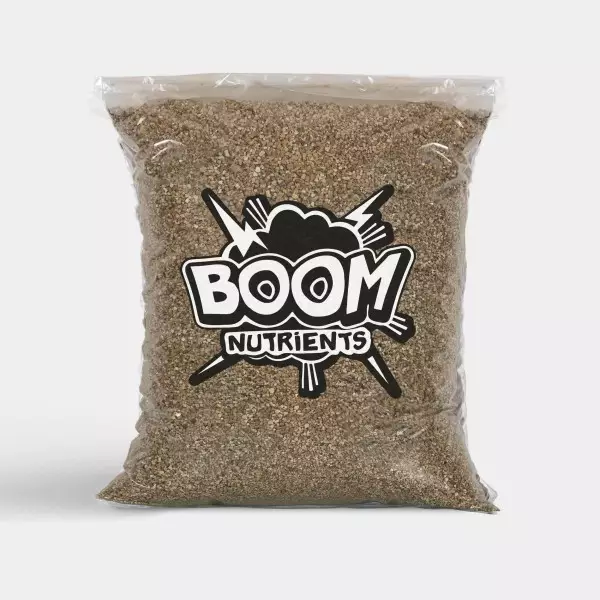
Vermiculite is a versatile expanded mineral widely utilized in plant cultivation for its numerous benefits. Its excellent water retention and aeration properties make it an ideal addition to enhance substrate performance. Additionally, vermiculite proves to be highly adaptable across various types of crops.
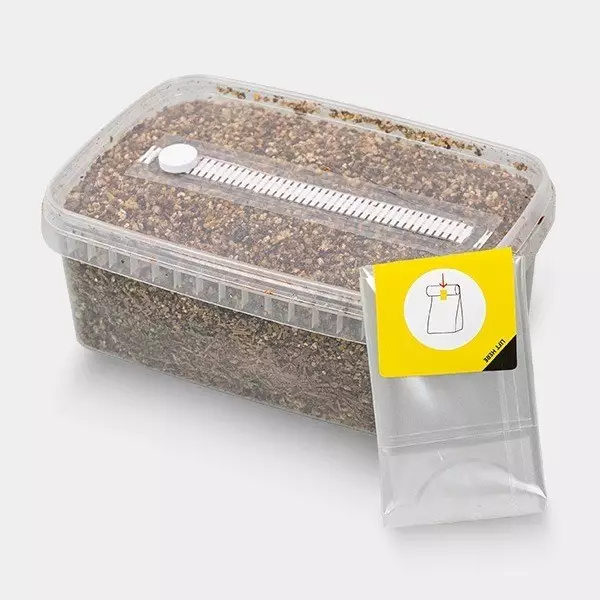
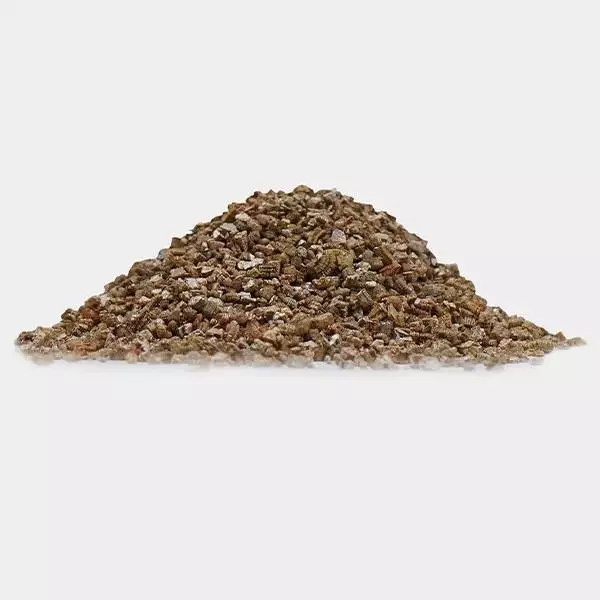
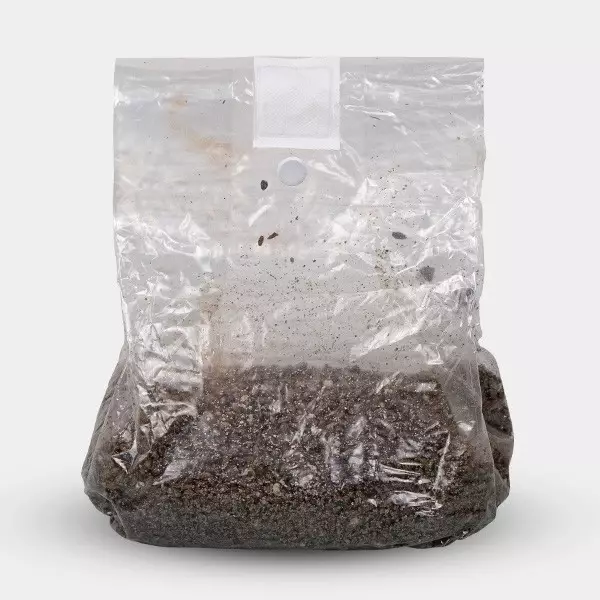


What are the benefits of vermiculite for your plant cultivation?
Vermiculite offers significant advantages for plant cultivation. Its water retention capability supports healthy root growth by ensuring proper hydration of the substrate. Additionally, it enhances aeration, which allows for better gas exchange in the soil, fostering vigorous plant growth. As a lightweight and non-toxic material, it also prevents soil compaction.
Characteristics and properties of vermiculite as a substrate
Characteristics of vermiculite
Some characteristics of vermiculite that make it ideal for cultivation include:
- Lightweight and expanded material: Facilitates handling and transportation, making it ideal for substrate mixes.
- High water retention capacity: Allows for maintaining appropriate moisture levels for the roots for longer periods.
- Good substrate aeration: Promotes optimal gas exchange, benefiting root growth.
- Does not decompose or compact over time: Ensures durability in the substrate without losing its properties.
- Toxin and contaminant-free: Safe for plants, environmentally friendly, and suitable for agricultural use.
Properties of vermiculite
- Improves nutrient retention capacity: Helps plants access nutrients consistently.
- Prevents excess moisture in roots: Avoids water saturation, protecting roots from rot.
- Facilitates gas exchange in the substrate: Ensures roots breathe properly, promoting their development.
- Ecological and 100% natural: Environmentally friendly and sustainable product.
- Compatible with other substrates: Easily mixes with materials like coco, perlite, and peat to enhance performance.
Use of vermiculite in hydroponics
Vermiculite is a popular choice in hydroponics due to its water and nutrient retention capabilities. It is used as a growing medium in hydroponic systems, either alone or combined with other substrates, such as perlite. Its use ensures that plants always have access to an adequate amount of water and nutrients without compacting the substrate, allowing a continuous flow of oxygen to the roots. Additionally, it helps prevent rapid drying of the substrate in open systems.
What substrates can vermiculite be mixed with?
Vermiculite can be mixed with various substrates to improve their characteristics, optimizing both water retention and aeration.
- Peat: Increases water retention capacity, creating a more stable and nutritious substrate.
- Coco: Provides excellent aeration, preventing waterlogging and promoting root growth.
- Perlite: Enhances drainage, helping to avoid compaction and maintaining a lightweight structure.
- Sand: Adds extra drainage, reducing the risk of water accumulation in the substrate.
- Compost: Enriched with organic matter, improves fertility and nutrient balance along with vermiculite.
- Potting soil: Facilitates moisture control and prevents soil compaction, improving its structure.
What is the price of vermiculite?
The price of vermiculite can vary based on quantity. At Growbarato, we offer the following products:
| Product | Quantity | Price |
|---|---|---|
| Vermiculite Boom Nutrients | 6L | 3.25€ |
| Vermiculite nº2 | 125L | 27€ |