Personalized attention +34 96 206 62 98
 Free shipping to Iberian Peninsula from 30€
 9/10 Rating
 Discreet shipping

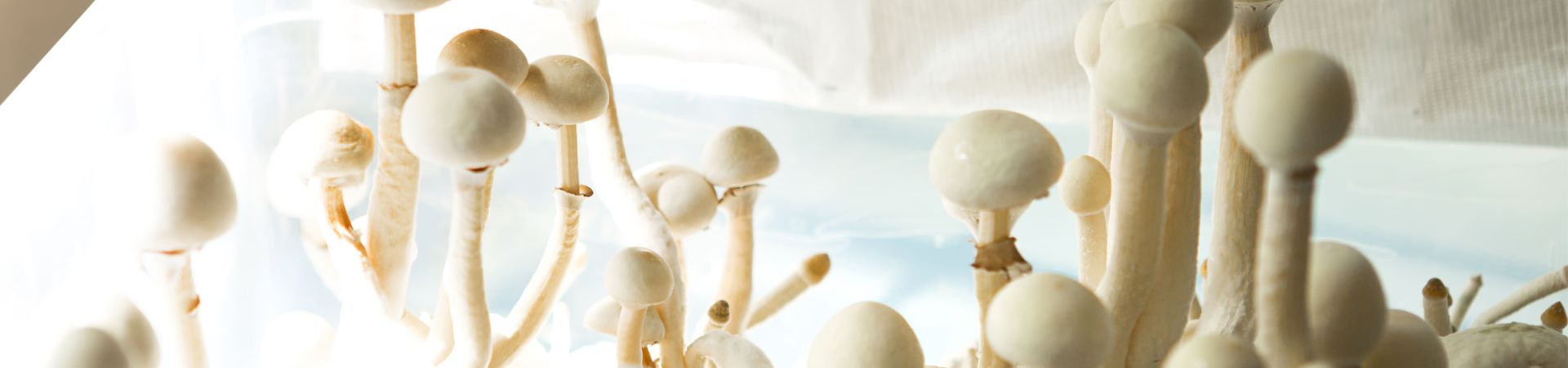
Psilocybin is a psychoactive substance found in different hallucinogenic mushrooms that has garnered a lot of interest in recent years due to its therapeutic properties, especially when taken as microdoses of psilocybin. Let’s discover in this article the effects of psilocybin.
[ppgbo products=”2676,8070,7923″ language=”en”]


Its history dates back to ancient civilizations that used them for religious rituals and medicinal purposes, such as the Aztecs. Scientific studies aimed at better understanding this substance and its effects on the human brain, with the goal of future therapeutic use, are becoming increasingly common.
What is psilocybin?
When mentioning psilocybin, magic mushrooms immediately come to mind, the compound present in most ‘psilocybe’ mushrooms. However, it wasn’t until the 1960s that interest shifted to the scientific field, and it was discovered to belong to the tryptamine family and that its psychoactive effects are activated once ingested and transformed into psilocin (the active form), the substance that actively influences brain function
[ppgbo products=”8174,6599,7757″ language=”en”]


That is, psilocybin is a natural psychedelic compound found in various types of mushrooms, commonly known as ‘magic mushrooms‘ or ‘hallucinogenic mushrooms.’ Psilocybin breaks down when exposed to oxygen and is converted into psilocin in acidic environments, such as the stomach.
Main characteristics of psilocybin
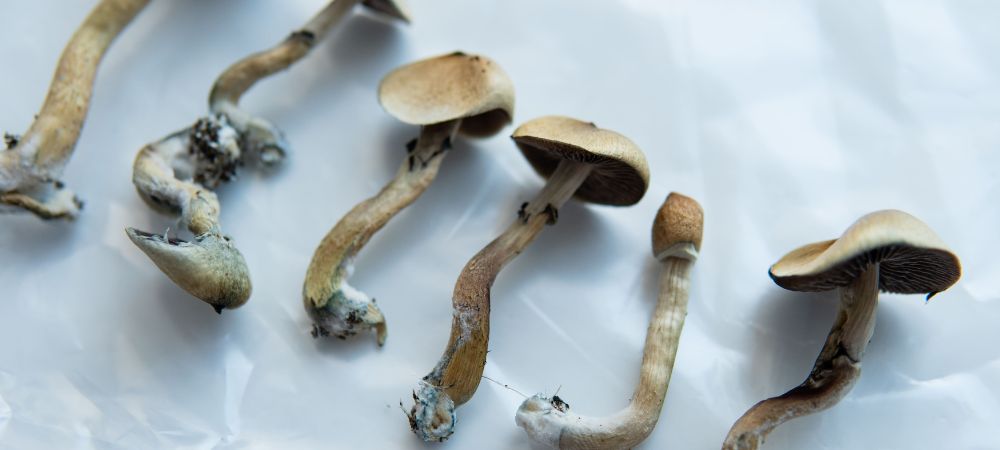
Psilocybin is a compound found in magic mushroom grow kits, and hallucinogenic truffles. Some of its key features include:
- Effects: Psilocybin alters perception, thinking, and mood. It can induce vivid visual and auditory experiences, distort the sense of time, and in some cases, lead to mystical or spiritual experiences.
- Duration: The effects usually begin 20 to 60 minutes after ingestion and can last between 4 and 6 hours.
- Safety: In controlled settings, psilocybin is considered relatively safe compared to other substances. However, it can cause anxiety or confusion if not used properly.
- Therapeutic uses: Psilocybin has recently gained attention for its potential in treating conditions such as treatment-resistant depression, anxiety, obsessive-compulsive disorder (OCD), and addictions. Several clinical trials have shown promising results.
[ppgbo products=”8173,8372,7924″ language=”en”]


Where to find psilocybin with hallucinogenic effects?
This compound is not easy to find outside the fungal world; therefore, only hallucinogenic mushrooms provide this substance. To find them, it is best to look in humid climates, and they grow in various parts of the world, such as the American continent and Europe. However, you can also buy magic shrooms online.
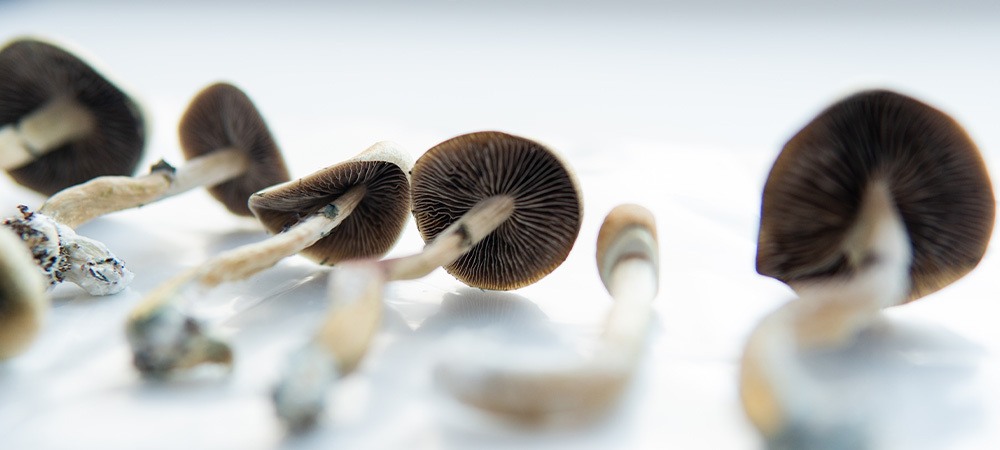
There are over 200 species of mushrooms containing psychoactive substances like psilocybin, psilocin, or baeocystin; some of the most well-known are:
Psilocybe Cubensis
Psilocybe Cubensis, originating from Central America and the Gulf Coast of the United States, typically thrives in areas of compacted soil, such as cow pastures, basking in ample sunlight, with the rainy season being optimal for its growth. Undoubtedly, this variety stands as one of the most renowned and sought-after globally.
[ppgbo products=”2680,2677,6597″ language=”en”]


Psilocybe Mexicana
As its name suggests, the well-known Psilocybe mexicana included in the Mexican mushroom kit, originates in Mexico, where it is also known as ‘Pajaritos‘ (“little birds”). The Aztecs used these mushrooms in rituals, considering them to be the “flesh of the gods” or “mushrooms of the gods.” This was the first species whose active compounds—psilocin and psilocybin—were isolated by Albert Hofmann in 1958.
[ppgbo products=”2674,6600,6598″ language=”en”]


Psilocybe Cyanescens
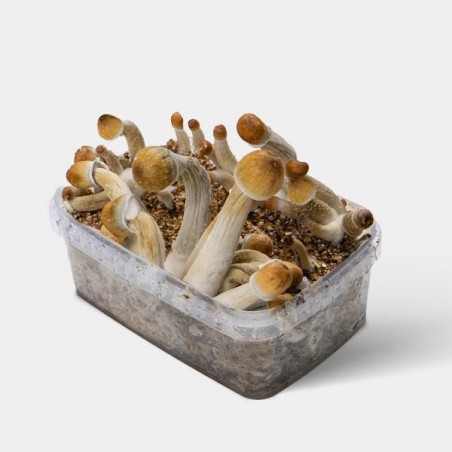
Psilocybe Cyanescens, renowned for its wavy cap and high psilocybin content, grows in decomposing forests in colder climates, facilitating its fruiting. Seekers of this species have options ranging from North America (particularly in California), Europe, to Australia.
[ppgbo product=”8015″ language=”en”]

Psilocybe semilanceata
Known as the “Liberty Cap,” this mushroom is one of the most potent and widely distributed psychedelic species. It is commonly found in damp meadows and grasslands across Europe and North America. Its distinctive bell-shaped cap makes it easy to identify among mushroom foragers.
Psilocybe azurescens
Considered one of the species with the highest psilocybin content, this mushroom is native to the Pacific Northwest region of the United States. It grows in wood-rich soils and plant debris, especially along the coastal areas of Oregon and Washington.
Magic truffles
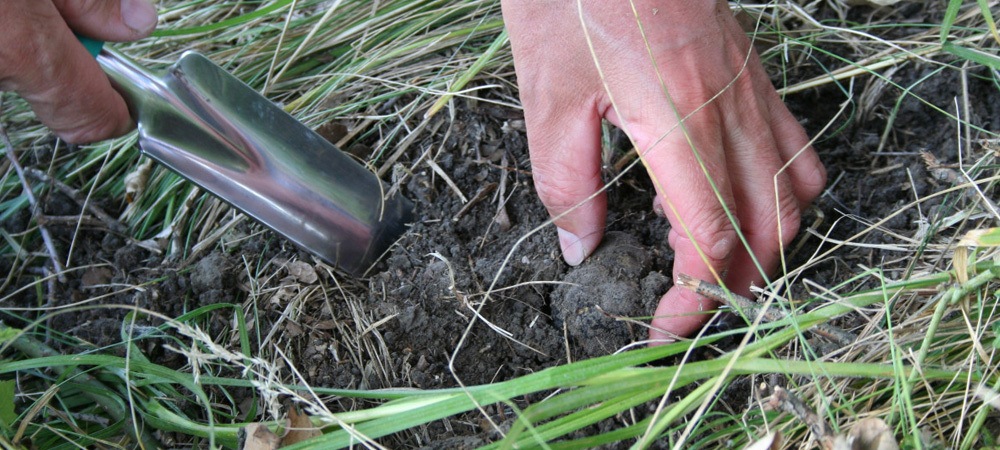
Psychedelic truffles, an integral part of the psilocybin conversation, deserve a mention. They are sclerotia belonging to the Psilocybe genus, originating from a modification of the fungus’s mycelium. Besides, these truffles, growing underground, are characterized by their toughness, distinctive flavor, and aroma.
[ppgbo products=”6881,7792,6880″ language=”en”]


If you’re curious about psilocybe, check out our online Smartshop, which offers magic mushroom grow kits for research laboratories, as well as magic truffles for collecting.
What are the effects of psilocybin?
Psilocybin (or rather psilocin) affects the brain through serotonin receptors, called 5-HT2a. It inhibits the brain activity of the default mode network (DMN), responsible for the ability to create thought patterns and feelings towards oneself; therefore, the result is that consciousness can reach other areas of the brain.
The effects of hallucinogenic mushrooms can vary from one individual to another and are characterized by:
- Alterations in sensory perceptions
- Creative thoughts
- Time and space distortion
- Visual and emotional distortion
As for the effects, it’s important to remember the numerous health benefits that have been demonstrated throughout human history and in various cultures. In summary, it could be said that psilocybin has an effect that varies depending on the consumer.
Therapeutic benefits of psilocybin
All research conducted to date has explored the potential therapeutic effects of psilocybin in the treatment of psychiatric and psychological conditions such as:
- Depression
- Anxiety
- Stress disorders
- Addictions
In 2016, New York University pioneered the administration of psilocybin to cancer patients (a dose of 10 grams) to reduce the fear of death. The conclusion of this ‘experiment’ was that psilocybin can bring serenity in difficult moments such as a serious illness; in other words, it is attributed with anxiolytic effects.
Subsequently, a study carried out by a group of researchers at Johns Hopkins University (United States) involved administering psilocybin to patients who wanted to quit smoking. The results showed that patients who took this substance coped better with stress thanks to the psychedelic and mystical effects caused by hallucinogenic mushrooms.
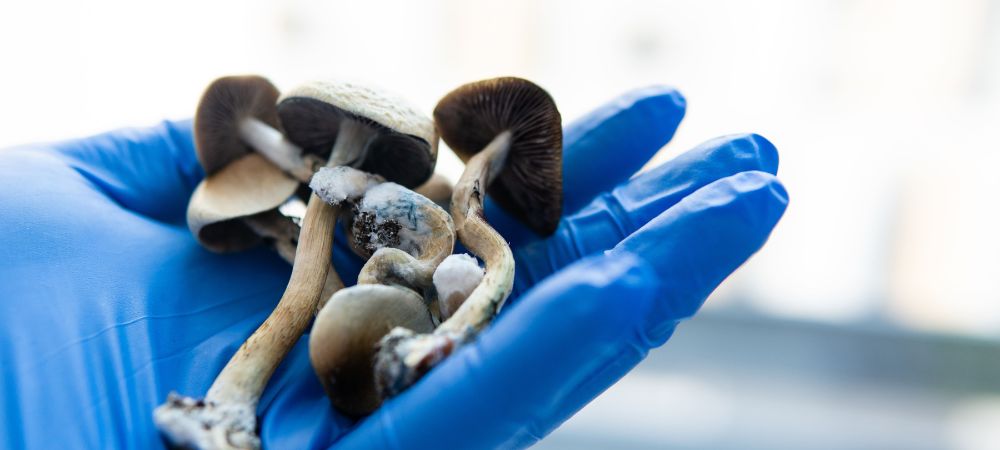
In addition to the United States, there are some countries where it is possible to find medications composed of psilocybin, as well as care centers that use it for therapeutic purposes.