Personalized attention +34 96 206 62 98
 Free shipping to Iberian Peninsula from 30€
 9/10 Rating
 Discreet shipping


Fungi are microorganisms that generally live on/off other organisms such as animals, food and many, many kinds of plants. Today we’re going to talk about different types of fungi that can infest cannabis plants and how to get rid of them; keep your plants healthy and stable without losing any of your quality flowers.
Types of Fungi
Depending on the types of fungi, you may either be at ease or need to take action to eliminate them. In fact, some fungi can be beneficial for plant protection, while others can pose problems. It’s crucial to gather information about all the various types of fungi that can affect marijuana seeds, CBD seeds, or any other type like hemp seeds.
Oidium
Oidium is a typical issue when it comes to growing cannabis; a simple excess of humidity in your grow room can cause oidium to rear its ugly head. It looks like a white powder that covers your plants’ leaves along the top in most cases, although in some cases it can be found on the underside of the leaves.
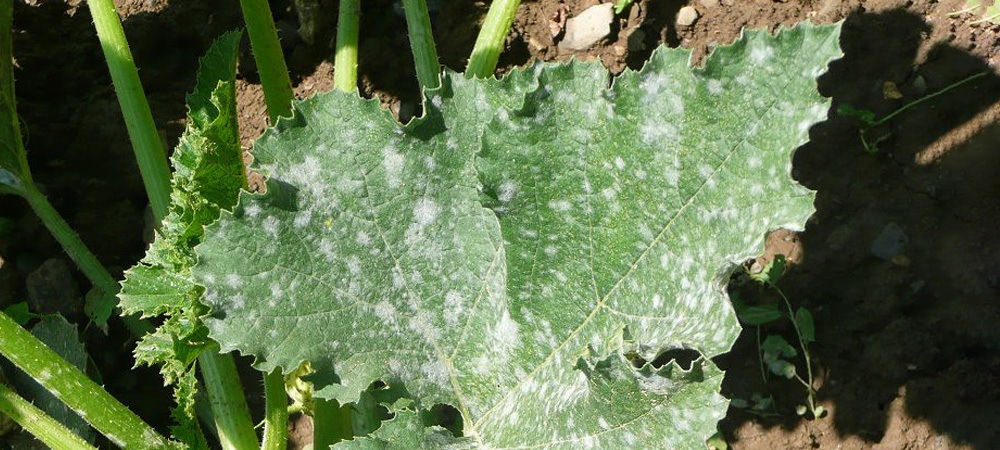
Once it’s on your plants, it gets into their cell wall, and it’s impossible to get rid of it fully. You’ll need to treat your plants with fungicide in order to stop the fungi from spreading – try to save as much of your plant as you can, and throw out the part that’s been infected.
Mildew
The fungus known as Mildew is widely recognized and feared by marijuana growers around the world. It is an aggressive organism that thrives in cultivation environments where the temperature is below 89ºF (26°C) and the humidity is above 50%. Mildew can appear during both the growth and flowering phases, but it primarily targets young leaves. It manifests as yellow and brown blisters on the leaves, eventually overtaking the entire crop if left unchecked.
Mildew spreads rapidly and, after causing leaf loss, can lead to the death of the plant. It develops by consuming plant material within the cultivation itself, making prevention the best strategy to avoid its appearance.
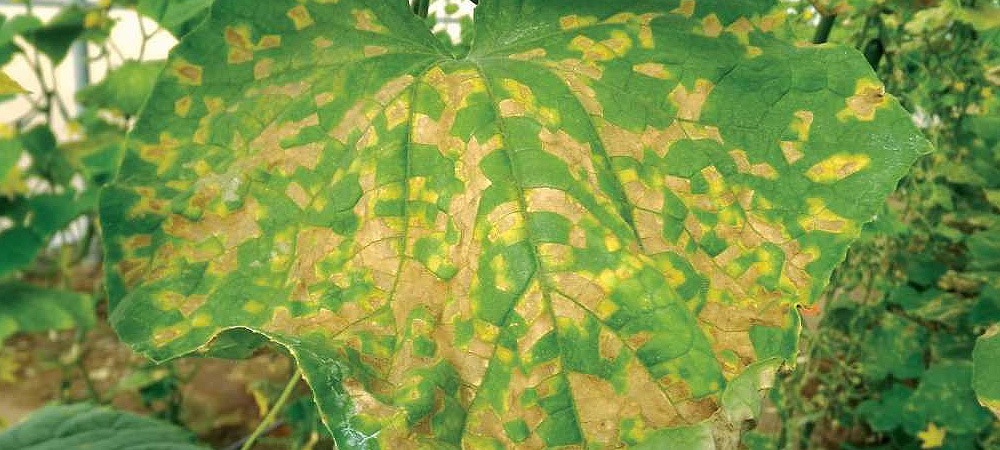
If it has already taken hold, the affected parts should be promptly removed, and the rest of the crop should be thoroughly cleaned. Environmental conditions must be controlled using dehumidifiers and temperature regulators. Additionally, to prevent Mildew, you can use contact and systemic fungicides.
Botrytis
Botrytis is a type of fungi that generally appears on plants that have been attacked by caterpillars which causes holes to appear in the buds. Various factors can increase the risk of this fungus such as caterpillar feces, rain water or relative humidity. Buds can easily rot from the inside out, turning quite an ugly brown color, as if it were still wet.

If your plants have become infested you can say goodbye to most of your plants – even if you get rid of all the fungi you can see, the spores have probably gotten to everything. It spreads incredibly fast, even in already-harvested flowers, so when it’s found in one bud the entire branch is usually removed to be safe. Consuming this fungus is incredibly dangerous for your health – its spores will go straight to your lungs which can cause breathing issues.
Rust
Rust is one of the fastest-spreading fungi, as it gets into your plants’ skin and is incredibly easy for your plant to absorb. It shows up as yellow/orange stains on your plants’ leaves, starting on the tops of the leaves. Once the fungi has taken over your plants, the underside of the leaves will also begin showing red and brown dots, and the rest of the plant will start becoming deformed.
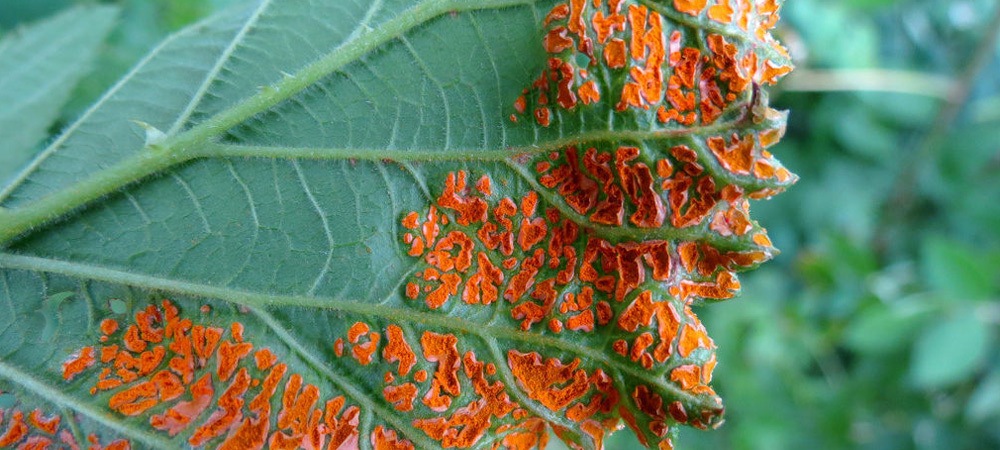
Despite its destructive potential, you can prevent its spread if you treat it in a timely manner. Rust appears when your cultivation is in a location with high humidity and insufficient ventilation. The best approach is to remove the affected leaves or plants and apply fungicides to prevent its spread.
Pythium
Pythium is a kind of fungi that grows in your plants’ roots, impeding your plants from feeding properly. This fungus essentially weakens your plants’ roots until they eventually kill them completely. It can appear in plants of all ages and sizes, although younger plants are the weakest. Its spores are transported via contact and can even be brought to your plants via the soles of your shoes.Pythium thrives in environments where the temperature ranges from 68-86ºF (20-30°C), and humidity levels are high.
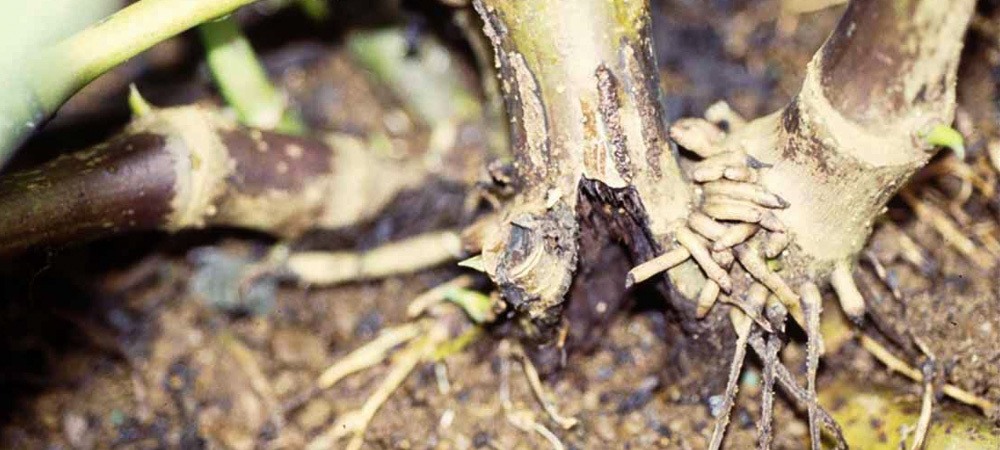
This fungus causes significant weakness and nutrient deficiencies due to the deterioration of the root system. In systems where the roots are exposed, such as hydroponics or aeroponics, you may observe a change in their color from the classic white to dark brown or even red. An effective way to combat it is by enhancing the microbial life in the substrate by introducing trichoderma and mycorrhizae. This can help prevent the spread of the fungus, especially if you introduce this boost in bacterial life before it reaches the cultivation area.
Fusarium
This fungi only ever shows up if your plants haven’t been able to survive Pythium, and it spells the absolute end of your plant. Fusarium essentially takes advantage of your plants roots in order to take over the rest of your plant, forming a sort of liquid that covers the roots which stops them from absorbing water and nutrients. The symptoms are similar to Pythium, although it takes it even one step farther. Your plants’ trunk will lose all strength and its leaves will begin drying up and falling off.
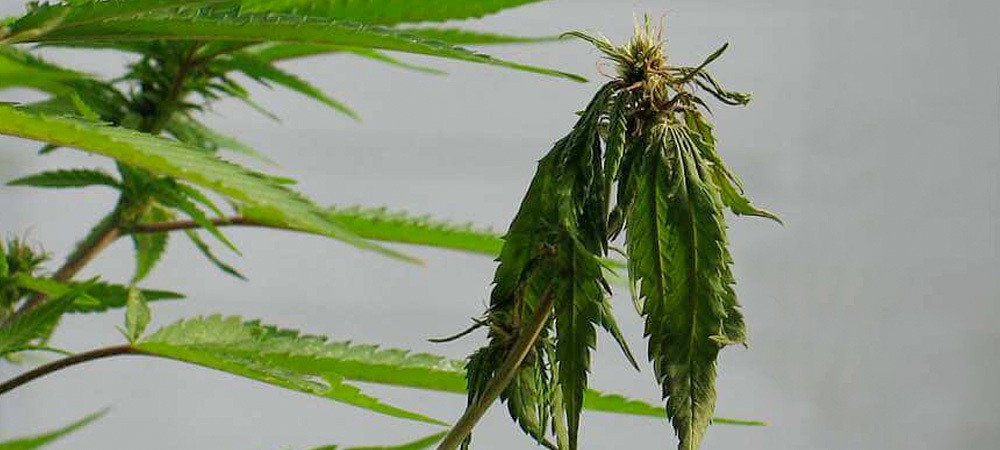
Once this fungus is in your plants it’s 100% impossible to get rid of – all you can do is take preventive measures during the growing process.The best way to do this is through a total cleaning of the cultivation area and the equipment used.
How to Prevent Fungi
Some of the factors that affect the appearance of different types of fungi in marijuana include:
- The overall health of the plants, as healthier plants tend to have greater resistance. To enhance plant health, you can use fertilizers rich in silicon to strengthen the structure and cell walls.
- Overwatering can be another cause. Therefore, it’s advisable to use a clay base in the pot to facilitate the drainage of excess water and prevent moisture buildup.
How to Prevent Fungi Indoors
You’ll need to follow the steps described below:
- Use fans like the Oscillating Clip-On Fan For Grow Tents to prevent the formation of pockets of hot air. During the flowering stage, make sure humidity doesn’t exceed 40% within your cultivation area.
- Have tools for precise temperature and humidity measurements, such as a thermo hygrometer.
- To reduce humidity, use a dehumidifier.
How to Prevent Fungi Outdoors
Some genetic strains are more resistant to fungal attacks than others, so it’s important to choose the most suitable ones. To achieve this, you should consider these parameters:
- Bud density.
- Node spacing, among others.
- Implement responsible watering practices.
- Provide the necessary fertilization.
- Use fungicides when necessary.
By following these steps, you can prevent the spread of different types of fungi in marijuana cultivation and achieve a high-quality crop.