Personalized attention +34 96 206 62 98
 Free shipping to Iberian Peninsula from 30€
 9/10 Rating
 Discreet shipping


Electricity consumption by cultivation equipment is becoming an increasingly relevant topic for growers. Rising energy prices have made the monthly expenses for lights, fans, and extractors a significant concern. Therefore, understanding the electricity consumption of cultivation equipment is crucial to take necessary steps to reduce energy costs and save.
Basic concepts of cultivation electrical equipment
In indoor agriculture, electrical equipment is vital to creating an optimal environment for plant growth. Here are some basic concepts that are important to understand to gauge the consumption of these devices:
- Voltage is the force that drives electric current through a circuit. In Europe, this is typically 220 volts while in the USA 120v. However, this can vary by region, so it’s essential to ensure that your cultivation equipment is compatible with the voltage of your country or area.
- Amperage measures the amount of electricity flowing through a circuit at a given moment. Understanding amperage is crucial to prevent overloading the electrical circuit.
- Watts are the measure of the amount of energy that an electrical device consumes. Knowing the wattage of cultivation equipment is essential for calculating electricity consumption and costs.
- Electric consumption refers to the amount of energy used per hour. For cultivation electrical equipment, knowing the electric consumption is essential for calculating electricity costs.
- Energy efficiency refers to how much energy is used to produce a specific outcome. Cultivation electrical equipment with high energy efficiency uses less energy to produce the same amount of light or heat as less efficient devices. Choosing high-efficiency equipment is essential for minimizing electricity costs.
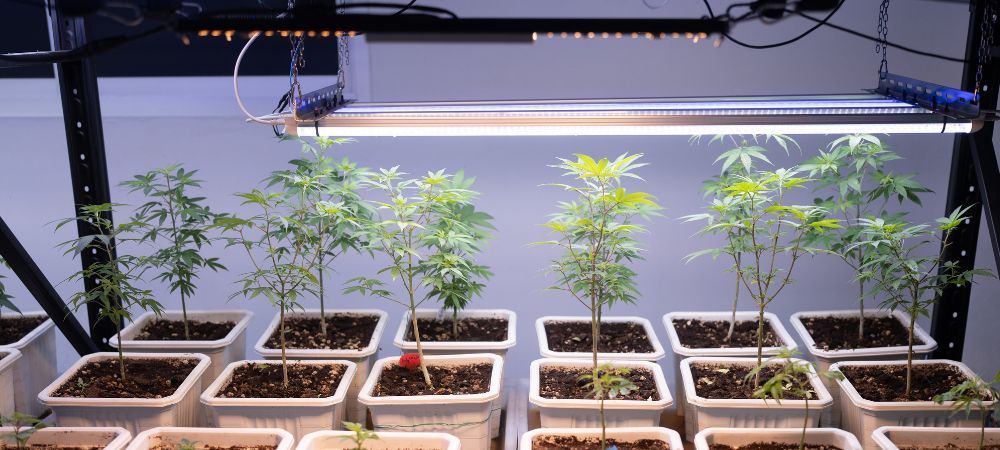
Types of cultivation electrical equipment
Growers can use several types of electrical equipment in plant cultivation; each serving a specific purpose. Some of the most common types include:
Lamps
Lighting is one of the most critical elements in plant cultivation because it provides the necessary light for photosynthesis. There are various types of lamps on the market, each one with different characteristics and benefits. Some common ones include:
- High-Intensity Discharge (HID) Lamps: These are known for their energy efficiency and ability to provide an optimal light spectrum for plant growth in controlled environments. HID lamps are often preferred for their efficiency.
- Fluorescent and Compact Fluorescent (CFL) Lamps: Fluorescent lights tend to consume more energy compared to modern technologies, and their effectiveness diminishes during the flowering stage of plants, which may require more units to achieve optimal results.
- LED Lighting: LED lights have revolutionized indoor cultivation due to their exceptional energy efficiency. They consume significantly less energy, resulting in lower electricity bills. LED lights are also versatile, easily adapting to different growth stages with adjustable light spectrums.
- LEC Lighting: While their energy consumption might be slightly higher than LEDs, LEC lights offer a wider light spectrum and are comparable to sunlight, making them an attractive option.
[ppgbo products=”6885,5693,7144″ language=”en”]
Fans
Fans play a vital role in maintaining good air circulation within the cultivation area. They help reduce humidity, prevent mold and fungus formation, and strengthen plant stems. There are different types of fans, including wall-mounted, standing, and ceiling fans, each with varying sizes and speeds.
Extractors
Extractors are necessary for removing hot and humid air from the cultivation area and replacing it with fresh air. They help regulate temperature and humidity, which is crucial for the healthy growth of plants. Different types of extractors are available, each with varying extraction capacities.

Irrigation systems
Irrigation systems are essential for keeping plants well-hydrated and nourished. Various irrigation systems, such as drip, spray, and flood systems, each have unique characteristics and benefits. Selecting the appropriate system is crucial.
Electricity consumption of cultivation equipment
The amount of electricity consumed by cultivation equipment is a common concern for growers. Electricity consumption can significantly impact production costs and overall profitability. Several factors influence electricity consumption:
- Device wattage.
- Hours of operation.
- The current plant growth’s stage, as consumption varies during the vegetative and flowering phases.
- Environmental conditions, such as temperature and humidity.
How to measure electricity consumption
Measuring the electricity consumption of cultivation equipment is essential for cost control and profitability. Common methods for measuring electricity consumption include:
- Energy Meters: Energy meters are devices that can be plugged between the power outlet and the device to measure energy consumption accurately.
- Manual Calculation: Electricity consumption can also be calculated manually using the device’s wattage and the number of hours it’s in use. For example, if a device has a power rating of 1000 watts and is used for 12 hours per day, the daily consumption would be 12 kilowatt-hours (kWh).
Once the consumption is known, it can be multiplied by the current electricity price to estimate the cost. To reduce consumption, various energy-saving techniques can be implemented, resulting in lower energy bills.
As technology continues to advance, further innovations in cultivation methods can be expected to reduce energy consumption costs even more.