Personalized attention +34 96 206 62 98
 Free shipping to Iberian Peninsula from 30€
 9/10 Rating
 Discreet shipping


Can you reuse soil for cannabis ? This is a relevant and quite recurrent question, asked by several growers at the end or at the beginning of their cannabis cultivation. Normally, yes, it is possible to reuse the soil used in previous crops. However, in order to answer this question efficiently, each case will have to be evaluated individually, as the final answer could depend on the current state of the substrate at that specific moment.
Reuse of soil after marijuana cultivation
When you want to grow a crop and reuse the same substrate where you have previously grown, it is very likely that the soil does not have the same richness in macro and micronutrients. In this case, you will have to add supplementary nutrients or, in the case of outdoor crops, let the soil rest for the necessary time, knowing that the soil has the ability to regenerate itself after a certain period of time.
However, in most cases, we do not give it enough time to renew itself automatically and, in the case of growing marijuana in a pot, this option is not viable. Therefore, it will be advisable to enrich the substrate by adding complementary nutrients and improving the soil structure, always taking into account the factors that most influence its quality.

Presence of microorganisms
Microorganisms play a fundamental role, as they decompose organic matter and facilitate the absorption of nutrients by plants. In this way, they will positively impact the health of the soil and, consequently, the cannabis plants.
Micro Boom
This biofertilizer improves soil quality and microbial life by providing beneficial fungi and bacteria, including different rhizobacteria, mycorrhizae, bacilli and other chemotaxis promoters. Adding Micro Boom from Boom Nutrients will also aid in future root protection and soil nutrition, thus improving overall plant health and growth.
Great White Premium Mycorrhizae
Great White Premium Mycorrhizae from Plant Success is a mycorrhizae complex rich in all kinds of beneficial bacteria for the crop. Considered one of the most complete and effective organic fertilizers on the market, it works by introducing live microorganisms into the substrate, which will improve the resistance, nutrition and, consequently, the production capacity of the plants.
Organic matter
Organic matter not only improves soil structure, but also provides more complete nutrition. Through its decomposition, it will gradually release nutrients, thus promoting sustainable fertility.
Worm humus
In order to enrich the soil, you can add worm humus which is an ecological solid fertilizer that will help plants, especially in the growth phase, due to its nitrogen-rich composition and its extensive bacterial life that will provide various benefits to the substrate.
If you want an additional supply of NPK and microorganisms, you can also add a small dose of the ecological stimulator Guano Boom.
Enzym Boom
Enzym Boom is a product rich in enzymes that will help break down the dead roots present in the soil, transforming them into different nutrients and sugars beneficial to our marijuana plants. At the same time, it will increase the absorption capacity of micro and macronutrients and the soil structure.
Silicate
Silicate by GHE/Terra Aquatica is a silicate-rich powder that strengthens the branches of plants, especially in hydroponics, allowing them to support the weight of the buds. In soil, it activates beneficial microorganisms and improves nutrient absorption. In addition, it stabilizes the pH and EC of the nutrient solution, preventing plant stress. Its composition includes silicate, iron, magnesium and sulfur, and it is available in 1, 5 and 10 liter formats, with competitive prices.
Soil structure
Soil structure refers primarily to the particles grouped together in a given soil type. An ideal soil structure for cannabis cultivation should ensure adequate air and water circulation, good moisture retention, effective aeration, as well as an adequate level of compaction.
Perlite
To improve the structure and composition of the soil, you can add perlite, which will provide better aeration to the soil and ensure that it does not become too compacted after each watering. If you want to supplement the soil structure or in cases of crops in very dry regions, you can also add vermiculite, which will help in moisture retention and mineral supply.
Coconut fiber
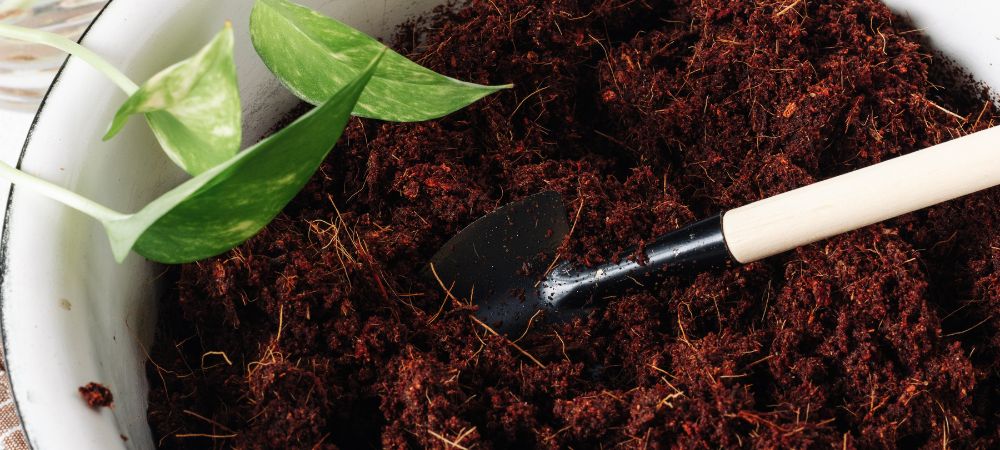
Coco bricks is a type of inert substrate, which means that it contains no nutrients in its composition. However, it will provide the soil with a spongier structure, preventing excessive compaction, while offering improved porosity and moisture holding capacity.
Tips for the reuse of cannabis growing soil
Inspection and sterilization of old soil
One of the first steps to take if you want to reuse soil used in previous cannabis cultivation is to perform a general inspection of the substrate. That is, check for harmful insects or pests in the soil, as well as remove visible dead roots.
After this procedure, if possible, it is advisable to sterilize the substrate to make sure to eliminate any bacteria and fungi that may still be present in the substrate.

Considerations for different types of substrates
The reuse of marijuana substrate will also depend on the type of substrate used previously, as well as the state of the substrate at that precise moment. It is likely that if a substrate such as All Mix was used, you will not need to add as many additional nutrients as would be necessary in the case of a grow where Light Mix was used.
[ppgbo products=”5090,6046,7175″ language=”en”]
Alternatives to avoid chemical additives
For those who prefer to avoid chemical additives and perhaps reuse household food scraps, adding organic compost may be an option. You can opt to place a layer of organic compost on top of the soil, which will help maintain the desired soil insulation and moisture, as well as add an additional supply of nutrients.
Check soil pH and EC
If possible, check the pH level and EC present in the substrate you will be using to grow your cannabis plants. Since these indicators will be critical for effective plant development, be sure to check both the pH and EC level of the substrate before planting your plants. You can do this easily with the help of pH and EC meters.