Personalized attention +34 96 206 62 98
 Free shipping to Iberian Peninsula from 30€
 9/10 Rating
 Discreet shipping


When starting any type of cultivation, it’s important to understand the different growing media available in order to make the best decision for your future plants. The two most common and often confusing ones are peat and substrate, which may seem similar but are actually quite different. In fact, there are key differences that can determine the healthy development of various plant varieties. So, what’s the difference between peat and substrate?
What is peat?
Peat is a natural organic resource that comes from the decomposition of plant materials, especially mosses, in areas like wetlands and bogs, where humidity is high and conditions are very acidic. There are two types of peat: blonde and black. Both are rich in Sphagnum spp moss, but black peat comes from deeper soil layers, making it more decomposed and moist; while blonde peat is found on the surface layers.
Peat is extracted from areas known as peatlands, which are found worldwide, especially in northern regions. Countries like Germany, Finland, and Norway have traditionally been producers and exporters of this material, thanks to their vast peatland areas. Of course, these areas are ecosystems with rich biodiversity and high ecological value, so efforts are being made to manage them sustainably to avoid irreversible damage.

A peatland is a wetland where, over thousands of years, large amounts of organic matter have accumulated without fully decomposing. These peatlands originated after the glaciers disappeared. In their place, large land depressions formed, filling with various plant species including bryophytes like mosses, which have a strong ability to retain water.
Pros and cons of using peat in cannabis cultivation
Peat has both advantages and disadvantages to consider.
- Peat has a high water retention capacity, which helps maintain root moisture.
- Its porous structure allows for good air circulation, essential for root development.
- It provides natural nutrients that support plant growth.
- A downside is its tendency to be acidic, which may require pH adjustments for cannabis cultivation.
- Hard to rehydrate. Once dry, peat can be difficult to moisten evenly again.
- Peat extraction negatively impacts peatland ecosystems, making it a less sustainable option.
What is substrate?
Substrate, on the other hand, is a prepared mixture designed to offer an ideal environment for plant growth in pots or containers.
To understand the difference between peat and substrate, it’s important to note that peat is often a component in many substrates, though not always. Most substrates usually contain a mix of materials like peat, vermiculite, perlite, sand, pine bark, and added nutrients. Substrates can also include raw materials like rock wool, coco coir, perlite, gravel, or volcanic rock, all of which support plant root development.
What is universal substrate?
Stores usually offer a product labeled as “universal substrate.” Universal substrate is a pre-mixed growing medium suitable for a wide range of plants. It typically includes peat, coco coir, compost, sand, perlite or vermiculite, and sometimes added fertilizers. It has a light, airy texture that retains water well and allows for root aeration.

Its pH is usually balanced between 5.5 and 6.5, which is ideal for most plants. It also contains basic nutrients like nitrogen, phosphorus, and potassium to stimulate early growth. It’s ideal for flowers, vegetables, herbs, and ornamental plants in general, but not suitable for plants with specific needs like cacti, succulents, or acid-loving species. Additional fertilization may be required after a few weeks.
Pros and cons of substrate in cannabis cultivation
There are also pros and cons to using substrate:
- A key difference between peat and substrate is that commercial substrates usually have pH adjusted for cannabis, making them easier to use.
- Substrates are designed to provide an ideal balance of water retention, aeration, and nutrients.
- They are easier to handle and require fewer adjustments than peat.
- One downside is that not all substrates are of the same quality; some may be low-grade.
- Commercial substrates tend to be more expensive than peat.
- If not purchased from a reliable manufacturer, they may contain impurities or unsuitable materials.
Key differences between peat and substrate
While peat is a single material with specific properties, substrate is a blended mix created to optimize plant growth. Peat is known for its high water retention, but its acidic pH and tendency to compact make it less versatile than a well-balanced substrate.
Substrates, on the other hand, combine materials to correct the limitations of pure peat. Coco coir improves structure and prevents compaction, while perlite ensures proper drainage. Additionally, many substrates are enriched with nutrients, making them easier to manage for beginner growers.
Another important factor is sustainability. Peat is a non-renewable resource with a high environmental impact, while some modern substrates use more eco-friendly alternatives like coco coir or composted materials, reducing the environmental footprint of cultivation.
For cannabis cultivation, substrate is often the best choice, especially for those looking for a balanced medium without the need for extra adjustments. Peat can still be useful as a component in a custom mix, but using it alone requires more attention to pH and watering management.
If you opt for a commercial substrate, it’s recommended to choose a high-quality one. A substrate specifically formulated for cannabis ensures better root development and healthier growth throughout all plant stages.
Here is a table summarizing the differences between peat and substrate:
| Feature | Peat | Substrate |
| Definition | Organic material formed from partially decomposed plants in peatlands. | Mix of materials designed to optimize plant growth. |
| Types | Blonde peat (fibrous, retains more water) and black peat (more decomposed, rich in organic matter). | May contain coco coir, perlite, vermiculite, compost, and other components. |
| Advantages | High water retention for root moisture. Good aeration promoting root development. Organic content boosts cannabis growth. | Balanced pH for easier use. Optimized mix for water retention, aeration, and nutrients. Easy to manage, fewer adjustments needed. |
| Disadvantages | Low pH requires adjustment for cannabis. Hard to rehydrate once dry. Environmental impact due to peatland disruption. | Variable quality depending on the manufacturer. More expensive than peat. May contain impurities if not from a trusted source. |
[ppgbo products=”7173,5090,7175″ language=”en”]
Types of substrate
Besides universal substrate, there are other types that can be used to meet more specific needs of certain plant species.
Compost
Compost is an organic substrate derived from decomposed animal and plant waste. It’s very rich in nutrients and improves soil structure. It’s commonly used to enrich garden soil.
Coco Coir
Coco coir is extracted from the coconut mesocarp, or the intermediate husk layer of the fruit. It’s a sustainable, lightweight, biodegradable material that offers optimal aeration and excellent water retention. It’s often mixed with other substrates to improve structure, drainage, and aeration.
[ppgbo products=”5289,7174,8152″ language=”en”]
Bark and Sawdust
These are mostly used as a top layer over substrate because they help prevent water evaporation and decompose slowly over time.
Sand
Sand is an inorganic substrate used to improve drainage in plants like succulents and cacti.
Perlite
Perlite is of volcanic origin and is a very lightweight material that prevents soil compaction and promotes efficient oxygen exchange.
[ppgbo products=”6559,1225″ language=”en”]
Vermiculite
Vermiculite is an expanded mineral. “Expanded” means it has undergone a thermal process that increases its volume by creating internal spaces or bubbles. This process produces lighter, more porous materials with specific properties such as better water retention, insulation, or aeration. Vermiculite can hold a large amount of water and nutrients, making it an ideal medium for seed germination.
[ppgbo products=”1890,6558″ language=”en”]
Expanded clay
This is mainly used in hydroponics and as a drainage layer in pots. It’s a lightweight, porous, and durable material that doesn’t break down over time.
[ppgbo products=”502,5403,6051″ language=”en”]
Jiffy
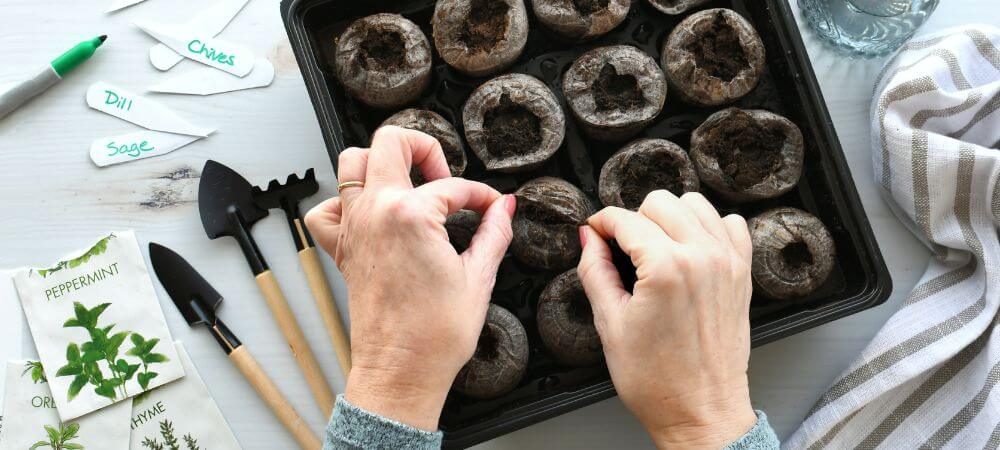
Jiffy is a compressed substrate shaped like a disc or pellet that expands when moistened. It’s primarily made of peat or coco coir, two lightweight organic materials rich in organic matter. It is mainly used for seed germination and cutting propagation, as it provides a controlled, airy environment with good moisture retention for young roots.
It’s biodegradable and makes transplanting easier, as roots can grow through the pellet with no issue. Jiffys or pressed peat for germination allow for more precise fertilization control and are ideal as a starting medium for plant growth.
[ppgbo products=”2924,501,1757″ language=”en”]
What is the best option for growing cannabis?
Now that we understand the difference between peat and substrate, the question remains: which one is better? Choosing between them for cannabis cultivation isn’t a one-size-fits-all decision—it depends on several factors like the type of grow, the grower’s experience, budget, and personal preferences. Let’s explore these factors to help you make the best decision.
Grower experience
If you’re new to cannabis cultivation, you’ll likely prefer a high-quality commercial substrate. These substrates are designed to provide an optimal balance of pH, nutrients, and structure, reducing the need for complex adjustments.
If you have experience and know how to adjust pH, manage water retention, and optimize aeration, peat can be an appealing option. Its organic nature and excellent water retention make it a great base for custom soil mixes.
Type of grow (Indoor vs. Outdoor)
In controlled environments like indoor grows, commercial substrates are usually the best choice. They offer more precise control over growing conditions and are often free from pests and pathogens, reducing risks in closed spaces.
Outdoors, peat can be a viable option, especially when combined with other materials like compost or perlite to improve its structure.
Budget
Peat is a more affordable option compared to high-quality commercial substrates. If you’re on a tight budget, peat may be a good choice, especially if you’re willing to invest time in adjusting its properties (like pH and moisture).
Although commercial substrates tend to be more expensive, they offer added value in terms of convenience and results. If your budget allows, investing in a quality substrate can save you time and effort in the long run.
In summary, the difference between peat and substrate lies in their composition and function. Peat is an organic and natural material harvested from peatlands, while substrate is a mix of various materials that provide support and nutrients to plants. When choosing between the two, it’s important to understand their characteristics and the type of cultivation you plan to carry out.