Personalized attention +34 96 206 62 98
 Free shipping to Iberian Peninsula from 30€
 9/10 Rating
 Discreet shipping

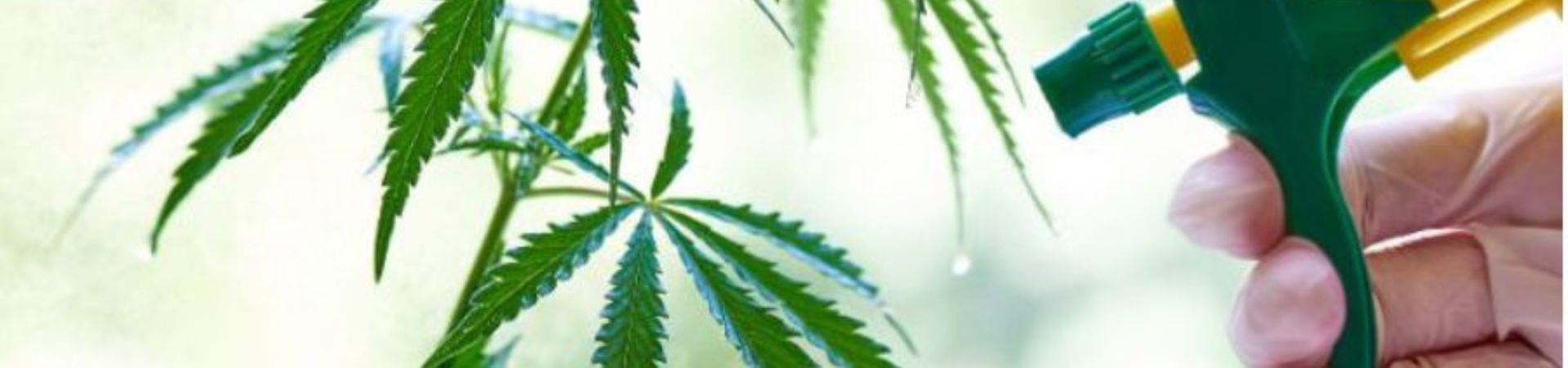
Many growers around the world have questions regarding how to water cannabis plants. Many different theories are flying around, such as measuring how dry the top of the soil is to know if you need to water. This is absolutely not true! The upper parts of the flowerpot are much more likely to dry out than the lower parts; if you water by how dry the top is you might end up soaking the lower part and drowning out your plants’ roots before they have enough time to absorb anything being given to them.
How to water cannabis plants indoors | Step by Step
Water is the main component of cannabis plants, which have a percentage of 90% of this liquid. To do this, they transport water through the circulatory system of the plant, helping photosynthesis. In this way, nutrients can be distributed through the metabolism.
In addition, irrigation enables the following processes in the plant and its habitat, among others:
- It brings oxygen to the substrate and to the roots.
- Moisturizes the substrate
- Maintains the pH of the substrate
Factors to take into account when watering
Some of the factors that can affect the quality of irrigation are the following:
- Perform irrigations in a controlled manner: since it needs small cycles of humidity and drought to obtain a correct aeration. All this is necessary for a better development of the roots, improving the metabolism of the plant.
- Use quality water: such as osmotized or distilled water. In case of not having it, mineral water can be used.
- Regularly check the pH and EC: to know the concentration of salt in the water, which will determine the state of the plant.
- Watering slowly and spreading the water correctly: allowing the soil to absorb and disperse.
How to water marijuana plants step by step
Marijuana plants should be watered well but in moderation and adapted to the size of the plant, because a plant that has just germinated will not consume the same amount of water as one that is one month old. The bigger they are, the more water they need. Some of the steps to follow are:
Quantity of water
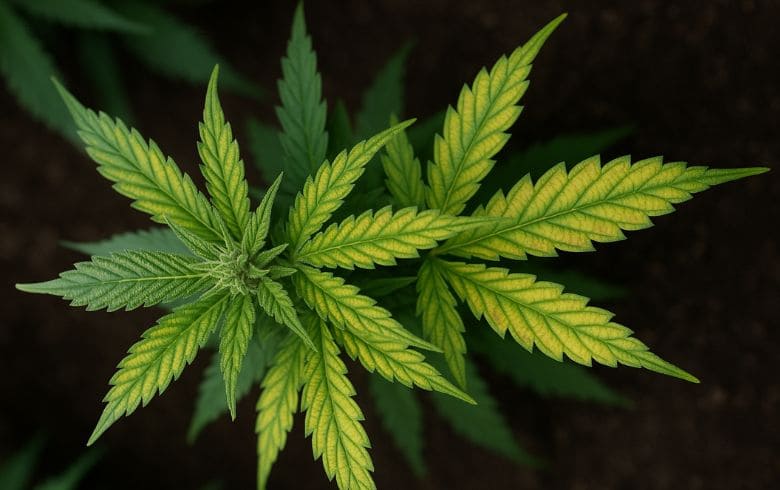
The first thing you should do before watering is make sure that your plants have absorbed everything from last time; if it’s still moist, you don’t need to water any more. This can be quite a tedious task if you have lots of plants, but if not done right you’ll end up with short plants that don’t grow much; and in some cases, they may even begin yellowing and dying off.
First, you can start germinating cannabis seeds (either feminized or autoflowering) using the Tupperware system designed to germinate marijuana seeds easily, which we’ve explained in another post. This method practically guarantees germination, and if you use any other type of method to pop your seeds, we simply can’t guarantee that you’ll obtain the desired results. Once the seeds have germinated, we like to grow by training the roots, making them healthy and strong. In order to do so, you’ll need to follow these steps:
Transplanting
When your seeds have popped their roots out, you need to place them in a small 7x7cm pot about 5/10mm in, with the root facing downward. These pots must be full of substrate and watered first. Do not water again until the sapling has sprung up and until the pot weighs practically nothing.
Once the plant has stopped stretching upwards, you’ll need to move it to a 3L flowerpot. Depending on the substrate, you should usually water your new pot using more or less half a liter of water depending on the substrate used. Make sure to lift the flowerpot up every day until it’s as light as possible – this means that it’s almost entirely dry. That’s when you need to start training it.
Start off by using about a glass of water per flowerpot. If it’s accumulating after 3 days and your plant isn’t drinking it up, do not water again until the flowerpot is much lighter. Once it drinks it up, keep up with the glass of water method.
[ppgbo products=”5090,6046,7175″ language=”en”]
Increasing the amount of water
Once you start noticing that one glass of water isn’t enough, start using two. If the water accumulates, don’t water until it’s all absorbed; make sure to check each pot individually and act accordingly for the best results. Once your plants stop growing, it’ll be time to transplant them. You should have a plant that has a decent root mass, and can easily deal with being transplanted into the ground or a 7L flowerpot.
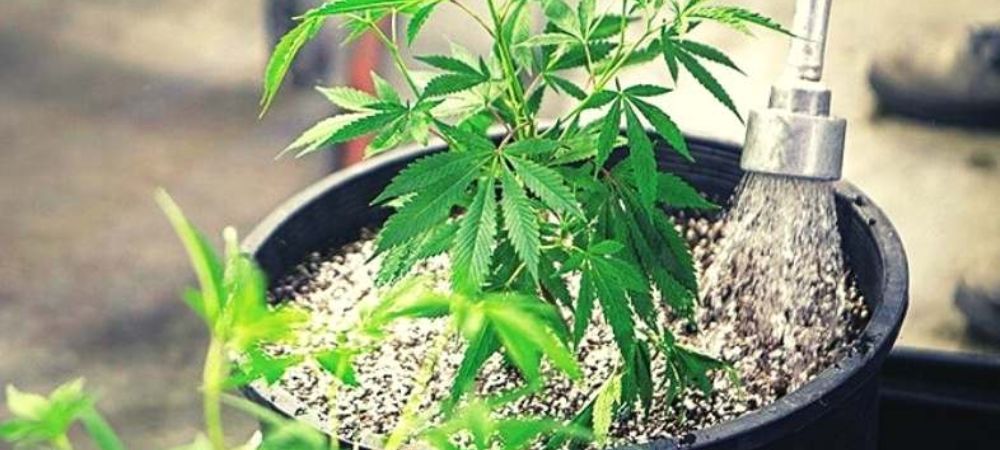
How to calculate the amount of water needed to grow?
To know how much water to contribute it will be necessary to focus in the size of the pot and the plant. When increasing the root system it will be necessary to increase the dose so that it does not drown.
Likewise, it is good to take into account certain medium-environmental conditions. Ideally, it is best to obtain a stable climate that facilitates watering. Likewise, you will need to know the temperature and humidity level of the area to bring in the amount of irrigation it needs.
If you take into consideration all these factors and tricks on how to water marijuana plants you will be able to contribute water in the right amount and at the right time to develop a quality crop.