Personalized attention +34 96 206 62 98
 Free shipping to Iberian Peninsula from 30€
 9/10 Rating
 Discreet shipping

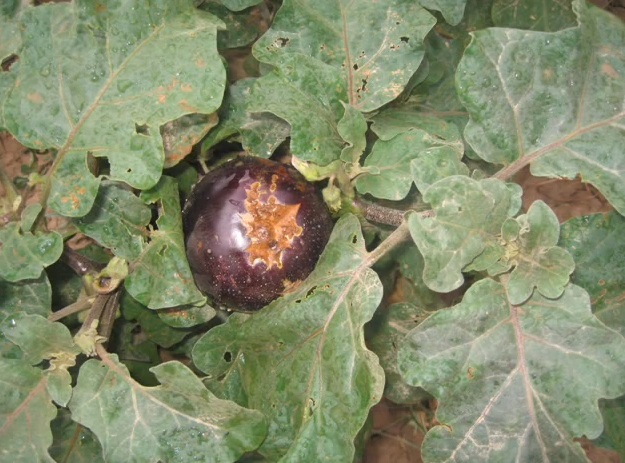
There are many things that are toxic for cannabis plants, and some of them are the last thing you’d expect to affect your plant; products that seem harmless and that people have been using for generations can be toxic for cannabis given the right situation, like high temperatures and other environmental factors.
Let’s start our list with a product that we’ve all used in our grows and is often used on various crops destined for supermarkets; Sulfur for burners. This is an essential nutrient for cannabis plants’ veg phase, as it helps form the enzymes that make up chlorophyll. It’s also used as a fungicide, but when the surrounding temperature goes above 35º its fungicide effect soon turns toxic for the leaves. It should always be used with temperatures under 35º and above 15º. If it’s too warm, just 130 Nano grams is enough to cause necrosis in your plants, and if it’s too cold it’ll be too hard for chlorophyll to form correctly and the leaves will go slightly yellow due to a buildup of Sulfur.
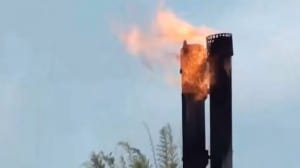
Nitrogen Oxide (NO2) is one of the few gases that are extremely damaging to plants; it causes a horrible black-brown necrosis on the leaves. There have been cases where this gas mixes with Sulphur in high temperatures, causing extreme damage to plants. These sorts of gases are more often found in urban areas and near areas where farming is being done. If you add hydrocarbons to the mix, then we’re talking about photo-chemical contamination, which is basically smog. If plants get too much ozone, little white spots will appear on their leaves.
Apart from all of these harmful gases that you sometimes can’t avoid if you live somewhere unfortunate, you also need to think about the composition of the soil if planting in the ground AND the water you’re using to water your plants. A high presence of boron can provoke serious issues in all kinds of plants, causing yellowing on old leaves and holes in the leaf tissue; in extreme cases it can cause necrosis on old leaves. Boron is naturally found near tourmaline and mica mines. It can also be found in alkaline ground, and in case of drought this element will be extremely hard for your plants to absorb, which then causes a slow growth and necrosis in any new buds.
An extremely common element in tap water is chlorine, an essential element in activating magnesium absorption. If plants don’t get the right amount of chlorine, they develop an unbalanced and weak structure, and leaves show signs of chlorosis and they start dying off. When talking about lack of chlorine, it’s when it’s found in quantities of 2mg/kg or lower. When plants get too much chlorine, there can be many issues with the leaves; they curl in on themselves and get thinner, they can even dry up. It often looks like a lack of potassium.
You need to keep in mind what materials you’re using in your grow. Check out our pipes and spare parts section to find suitable materials. PVC can release toxic gases in high temperatures, which can cause plants to stop growing, yellow leaves and almost no space between nodes, although for some reason root development is fine and looks almost normal.
There are many other elements and micro-elements and all sorts of toxic things for cannabis, but this is a list of the most frequent ones so you know what signs to look out for. Happy growing!