Personalized attention +34 96 206 62 98
 Free shipping to Iberian Peninsula from 30€
 9/10 Rating
 Discreet shipping

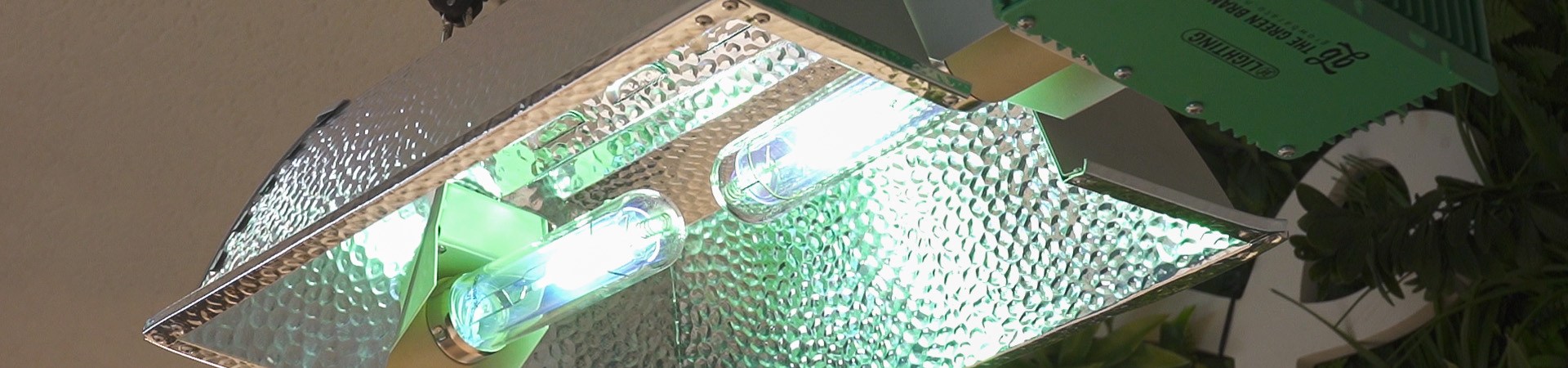
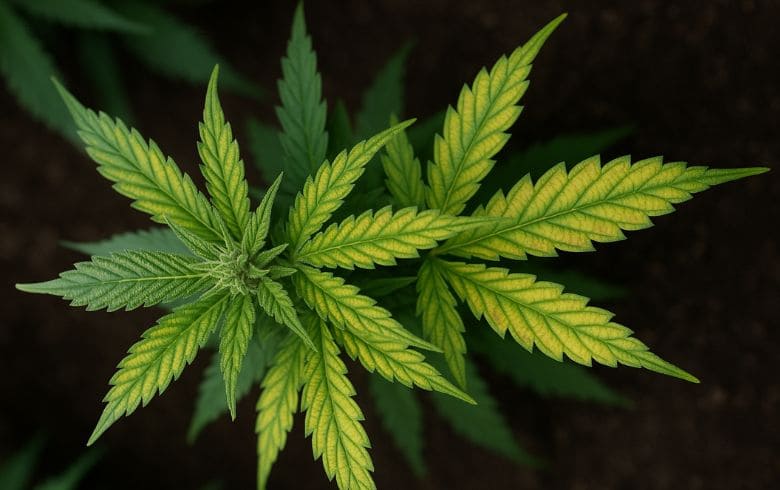
Lighting plays an essential role when it comes to growing marijuana indoors, as it enables photosynthesis, thus providing the necessary energy for growth. To achieve this, a grow lamp or light source may be required for carrying out our indoor cultivation. However, it’s essential to know how far should grow lights be.
How far should grow lights be indoors?
The correct height for indoor light bulbs for many growers can be a bit of a head wrecker. Some people place the bulb too close to their plants, which ends up being the worst thing that you can do, and they end up burning their plants rather than obtaining a plentiful harvest which is the result that we want.
The amount of light provided will influence the production and weight of the marijuana crop. Power and proximity are two of the factors that have the most significant impact on these results.
Additionally, we must determine the type of grow lights we are going to use, whether it is:
- LEC Lighting.
- LED Panels.
- High-Pressure Sodium (HPS) Lights; which require more distance when placed due to generating more heat.
The height of the bulb depends on various things, due to the fact that there are different types of bulbs, different potency or grow light reflectors which can take away the heat from the bulb, or ventilation systems that can considerably lower the temperature. 
To determine the height at which to place the indoor grow light, you should consider the temperature, which should ideally be between 79 and 82 ºF (26-28 ºC). It’s advisable to measure this temperature by placing a thermohygrometer on the wall of the grow tent.
How far should grow lights be?
The installation of the grow lights, either closer or further, will depend on the type of lighting being used. Some of the options include:
LED grow lights
LED lights are similar to low-energy bulbs but concentrate much more light and wattage in a reduced space, resulting in increased production. They emit slightly more heat as well; however, you can place fans that push the heat upwards so the extractors can absorb it, preventing it from directly affecting our plants. These lights can be somewhat expensive, but they have many hours of use, and they can be placed quite close to the plants. Remember that it is important to maintain a temperature of around 77°F (25°C) at the top of the plants.
In many cases, you can calculate the height of the LED grow light by following the rule of 10 cm (4 inches) per 100 cm (39 inches) of plant height.
| Growing | Flowering | |
| 250 W | 30-50 cm (12-20 inches) | 20-40 (8-16 inches) |
| 400 W | 50-70 cm (20-28 inches) | 35-55 (14-22 inches) |
| 600 W | 75-95 cm (30-37 inches) | 45-75 (18-30 inches) |
| 1000 W | 90-115 cm (35-45 inches) | 55-90 (22-35 inches) |
HPS or MH Equipment
| Germination | Growing | Flowering | |
| 250 W | 50 cm (20 inches) | 25-50 cm (10-20 inches) | 23-30 cm (9-12 inches) |
| 400 W | 80 cm (32 inches) | 40-60 cm (16-24 inches) | 40-50 cm (16-20 inches) |
| 600 W | 100-120 cm (39-47 inches) | 60-100 cm (24-39 inches) | 50-70 cm (20-28 inches) |
In the case of 1000W grow lights, the optimal distance should be greater because they emit more heat, which can potentially damage the plants.
[ppgbo products=”6885,5693,7144″ language=”en”]
Regardless of the bulb type and distance, it’s essential to monitor the temperature at the top of the plants to adjust it according to their needs.
How to adjust lights to the temperature in indoor cultivation
To get a correct reading, you must leave the thermohygrometer there for at least a half an hour to get an accurate reading of the temperature. It’s important to note that light can cause heating not only due to the power it consumes but also from the light that reflects off surfaces, known as radiant heat. This is somewhat akin to the interaction between sunlight and skin.
Advanced recommendations
At present, there is a wide variety of grow lights and reflectors, as well as tools for controlling room temperature. Some options include:

Cooltube
This is one of the most commonly used systems to better control the height of the grow light in relation to the plants. It consists of a glass tube that prevents the heat generated by the bulb from reaching the tips of the plants. With these items, you can reduce the temperature by up to 5 degrees. This is possible due to the glass tube and the airflow passing through it.
Fans
Using a fan helps plants breathe by moving the air and cooling them. This dissipates the heat produced before it reaches the plant.
Staking
Staking optimizes plant growth and prevents potential issues. This is a solution used when it’s not possible to lower the temperature. By guiding the plants closest to the light source towards the sides, you can prevent direct exposure to the light source’s heat at the top.
Regardless of the type of grow light, bulb, or cooling system used, it’s essential to know the temperature to determine how far should grow lights be. This way, you can provide the plants with the necessary lumens without temperature becoming an issue.