Personalized attention +34 96 206 62 98
 SHIPPING TO ALL

 9/10 Rating
 Discreet shipping

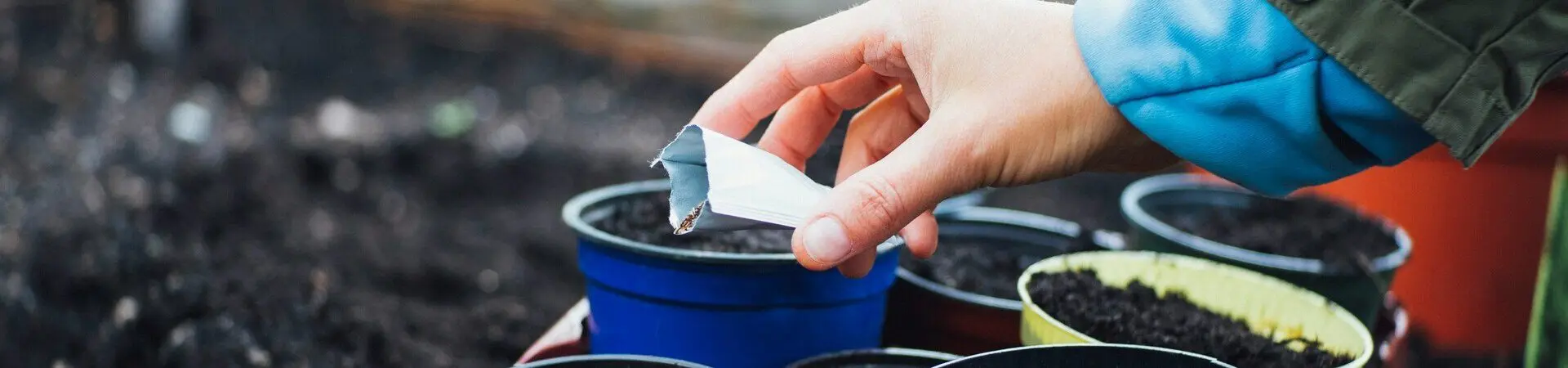
Do you want to make your own quality substrate of cannabis? Not sure how to get started? In this article, we’ll explain the characteristics of the most common components used in substrate preparation. We will also give you tips on how to make the perfect mix for a quality cannabis substrate. By following the advice in this article, we assure you that you will achieve excellent results at harvest.
The different components for your quality cannabis substrate
There are various types of components that you can use for your cannabis substrate. We will focus on the most common and easiest to find.
Peats
- Blonde peat (sphagnum): Derived from the accumulation and decomposition of plant residues. Blonde peats contain more organic matter than black peats. They enhance water retention and improve aeration. This type of peat is the most used in gardening and cannabis cultivation.
- Black peats: They contain less organic matter and more nutrients than blonde peats. They do not particularly have good aeration capacity. They are generally used in small proportions mixed with blonde peat as they contain slightly more nutrients.
Plant Materials
- Neem: A powdered product made from neem seeds. It adds nutrients, proteins, and plant matter to the substrate. It is a slow-release product that protects the plant from sucking and systemic insect attacks. Neem meal can remain effective up to 15 days after application.
- Seaweed extracts: These are biostimulants that boost growth and flowering by helping the plant develop vigorously and robustly.
- Coco coir: A fiber extracted from coconut husks. It ensures good water retention and aeration, preventing the proliferation of fungi in the substrate, often caused by excessive moisture. It retains and releases nutrients very beneficially for the plant.
Rocks
- Perlite: These are small white stones whose texture resembles rubber. Perlite helps to create cavities or pockets of air and oxygen in the substrate. It is ideal to prevent the substrate from compacting and losing oxygen, allowing the root system to develop better.
- Arlite: Formed from pieces of clay heated in a high-temperature oven until they expand. It can be used to improve substrate oxygenation. Additionally, it enhances moisture retention and helps bacteria and microorganisms to colonize the porous structure, normally used for draining excess water in pots.
- Vermiculite: Perfect for moisture retention in the substrate and for thermal insulation. It absorbs large amounts of water and is ideal for areas where soils do not retain liquids well.
Components from animal droppings
- Worm castings or vermicompost: Certainly one of the most interesting components to add to the substrate. It comes from the decomposition of organic remains (manure) digested by earthworms and excreted after ingestion. The product obtained is then full of benefits for cultivation, providing numerous advantages such as rooting, improving soil quality, and nutrient absorption thanks to humic and fulvic acids, preventing compaction of the growing medium.
- Bat guano: Formed from bat droppings, it is ideal for plant nutrition, especially during flowering, thanks to its high slow-release phosphorus and potassium content.
Fungi
- Mycorrhizal fungi: Fungi that collaborate and associate with the roots. Both parties benefit and they mutually provide nutrients, allowing for rapid assimilation.
- Trichoderma fungus: A fungus that helps protect the roots by preventing colonization or entry of other pathogenic fungi. You can find these mushrooms in different products such as Piranha from Advanced Nutrients.


Make your own quality substrate depending on the type of cannabis cultivated
Have you opted for regular, feminized, or autoflowering varieties? Depending on your needs, the preparation of the substrate will not be the same…
Substrates for feminized varieties
Feminized varieties (depending on the cultivated variety) tolerate all types of substrates well. In other words, any type of mixture carefully prepared by a substrate company is suitable for the cultivation of feminized cannabis. However, avoid using substrates from non-specialized companies, as they are not subject to the same quality controls and might be infested or even contain pathogenic fungi.
Substrates for autoflowering varieties
Autoflowering varieties are more delicate, and the choice of substrate is more crucial. Indeed, their root system is weaker and develops more slowly than in feminized varieties. It is recommended to use a more spongy and aerated substrate, with a high percentage of coco coir. This will facilitate root growth and, consequently, promote faster vegetative growth.
A good substrate for autoflowering plants should not saturate the roots with an excess of nutrients. Remember that when plants suffer from stress, their growth is delayed, which is reflected in reduced flower production. Therefore, the easier the roots can develop, the better the plant will grow.
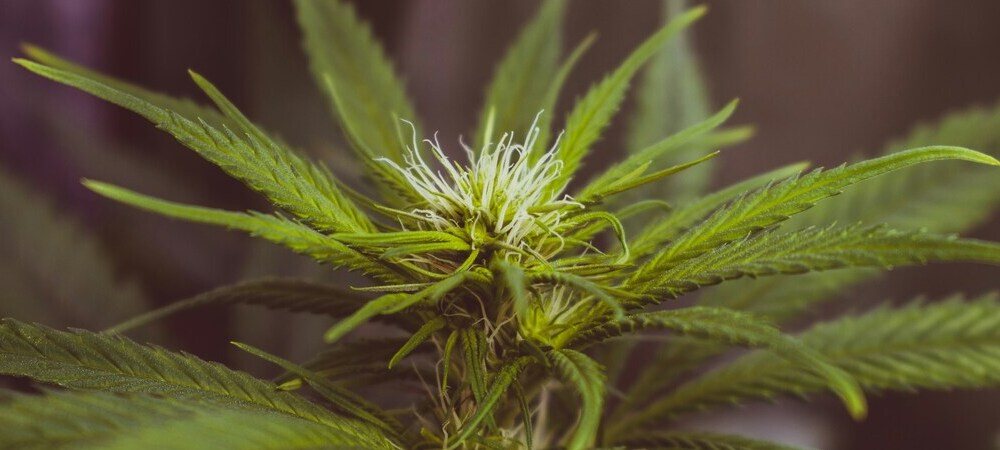
Make your own quality substrate according to the cultivation space
Before you start making your own mixes, don’t forget to consider some important factors, especially whether you are growing outdoors or indoors.
Substrates for outdoor
For outdoor cultivation, any type of substrate can be used. However, keep the following conditions in mind:
- In the open air, it is impossible to control climatic conditions, unlike in indoor cultivation.
- The sun and wind dry out the outer parts of the plant, which will need more hydration. Indeed, the plant will demand larger amounts of water if it is in uncontrolled climatic conditions.
- Rain and bad weather delay evapotranspiration, so the roots may remain soaked, which could lead to fungal infections.
- If you are growing in pots, the substrate and roots might suffer from continuous exposure to high temperatures.
- Using a mulch on the surface is essential to prevent the substrate from drying out too much, which would cause it to lose its water retention capacity.
Substrates for indoor
Indoors, you can use any type of substrate, but you must not forget certain important points:
- The quality of the substrate mix must be excellent. Indeed, plants see their development limited by a pot. It is therefore important not to waste time so that the harvest is not too delayed.
- Since the pots are smaller, a stricter control of quantities is imposed.
- The process of evapotranspiration is more constant and linear than outdoors.
- Indoor cultivation is intense and twice as fast. Indeed, if a mistake is made, it will be visible within only a few hours.
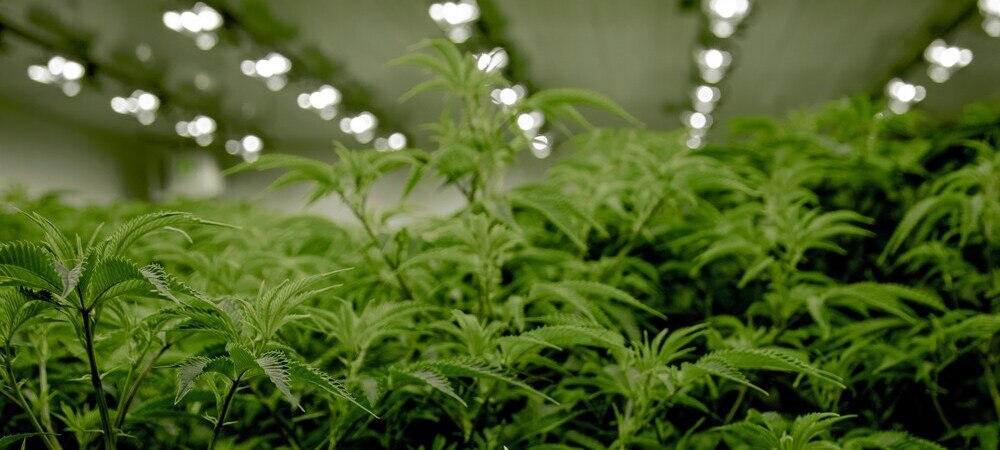
Make your own quality substrate according to the phase of cultivation
We will detail below the different types of substrates to use depending on the phase in which the plant is located.
Substrates for germination
During germination, the substrate should have a low nutrient content, almost none. Nutrition is not necessary until the first leaves appear, as the seeds contain the necessary elements for proper development during the first days and the first week of the plant’s life.
- Add to any mix beneficial fungi (mycorrhizae and trichoderma)
- Use 100% coco coir
- Use a mix of 70% blonde peat, 10% black peat, 15% worm castings, and 5% perlite
- Use a mix of 40% coco coir, 40% blonde peat, and 5% perlite
Substrates for the growth phase
During this stage, the plant begins to need nutrients to develop properly and prepare for flowering. The substrate must contain nutrients that stimulate growth (for good formation of stems, trunks, leaves) and the development of a root system capable of absorbing more nutrients.
For this stage, we can opt for worm castings and seaweed extracts. This combination will keep the growing medium in optimal conditions for rooting, nutrient absorption, and stimulation of the growth of the aerial parts of the plant, giving it a vibrant green color. During this phase, it is important to be aware of possible infestations and the use of neem meal becomes necessary. It provides nutrients to the growing medium and will curb the advancement of infestations. You can therefore:
- Add to any mix beneficial fungi (mycorrhizae and trichodermas)
- Use a mix of 60% blonde peat, 15% black peat, 10% worm castings, 10% perlite, 5% neem meal
- Use a mix of 40% blonde peat, 40% coco coir, 10% worm castings, 5% perlite, 5% neem meal
- Use a mix of 40% coco coir, 20% blonde peat, 15% worm castings, 10% perlite, 5% seaweed powder, 5% neem meal
Substrates for the flowering phase
This last stage is just as important as the others and requires a substrate richer in nutrients than in previous phases. During this stage, the plant will need all the available nutrients to have enough energy to produce flowers. The type of substrate or substrate mix used must be rich in phosphorus and potassium, necessary elements to stimulate flowering, which will be provided by bat guano and seaweed. Here are different options for an optimal flowering phase:
- Add to any mix beneficial fungi (mycorrhizae and trichoderma)
- Use a mix of 50% blonde peat, 15% black peat, 15% worm castings, 10% perlite, 5-3% bat guano, 5% seaweed powder
- Use a mix of 50% coco coir, 15% blonde peat, 15% worm castings, 10% perlite, 5-3% bat guano, 5% seaweed powder
- Use a mix of 30% blonde peat, 30% coco coir, 15% worm castings, 10% perlite, 5-3% bat guano, 5% seaweed powder
Never forget what type of cultivation has been established, the variety to cultivate (automatic or feminized), and the phase of cultivation. Indeed, the preparation of the substrate will depend on these factors. If you take them into account, the success of your cultivation is guaranteed.