Personalized attention +34 96 206 62 98
 Free shipping to Iberian Peninsula from 30€
 9/10 Rating
 Discreet shipping


Fungi are one of the biggest threats to crops, especially in sensitive plants like cannabis. Fortunately, there are natural and affordable solutions to fight them: homemade fungicides. In this article, we explain what they are, how to prepare them, and how to apply them properly to protect your plants in an eco-friendly and effective way.
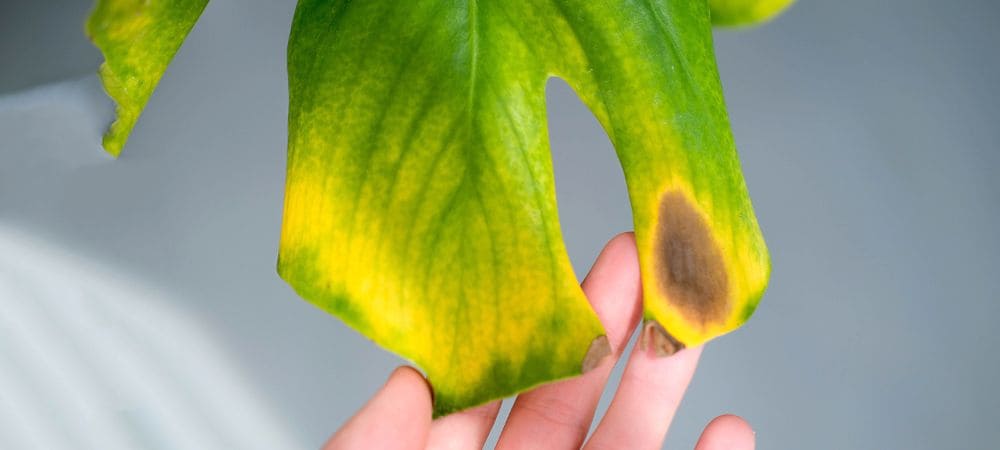
What is a fungicide, and what is it used for?
A fungicide is a substance that eliminates or prevents the growth of fungi on plants. Its main purpose is to protect crops from fungal diseases like powdery mildew, downy mildew, rust, and botrytis, which can weaken or even kill the plants if not treated in time.
Common types of fungi in plants
Some of the most common fungi that affect plants include:
- Powdery mildew: Appears as a white powder on leaves and stems.
- Downy mildew: Shows up as yellow or brown fuzzy spots.
- Rust: Creates orange or brown pustules on the underside of leaves.
- Botrytis (gray mold): Affects flowers and fruits, especially in humid conditions.
Why is it important to use fungicides?
Using fungicides is crucial because:
- It protects plants from fungal infections.
- It preserves crop health, ensuring optimal growth.
- It prevents disease spread, which is easier and more effective than treating an advanced infection.
[ppgbo products=”5191,5189,5186″ language=”en”]
Benefits of using homemade fungicides
Homemade fungicides are a great alternative to chemical products. Here are their main advantages:
Eco-friendly and sustainable
Homemade fungicides do not contain harmful chemicals, making them safer for the soil, water, and surrounding ecosystems.
Affordable and easy to make
Ingredients are usually common and accessible, like baking soda, garlic, or milk, which reduces costs compared to commercial fungicides.
Safe for cannabis and edible plants
Because they leave no toxic residues, they’re ideal for organic crops and plants like cannabis.
Best homemade fungicides for plants
Below are some of the most effective recipes for making homemade fungicides:
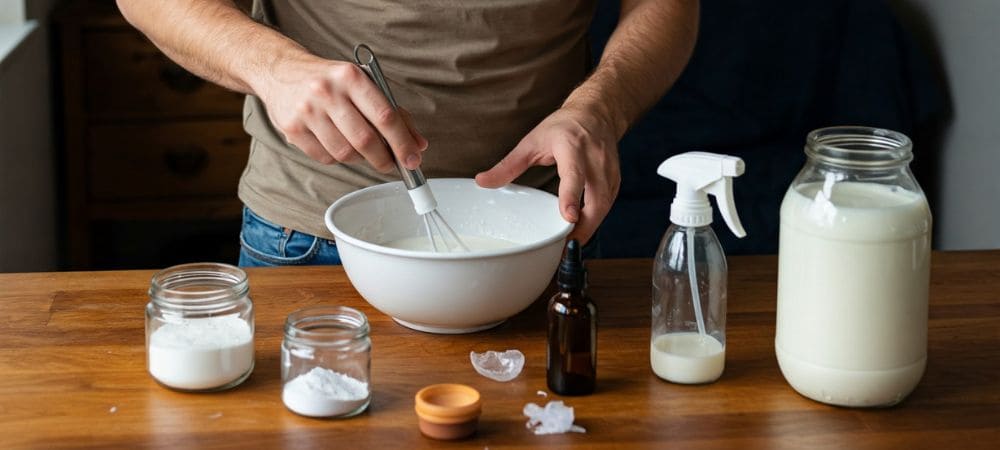
Homemade fungicide with baking soda
To make this natural fungicide, follow these steps:
- Preparation: In one liter of water, add a generous tablespoon of baking soda and 4–5 drops of mild soap (like castile soap or eco-friendly dish soap). The soap helps the mixture stick better to the leaves. Shake until fully dissolved and smooth.
- Application: Use a spray bottle to apply the solution to the leaves and stems, especially in areas affected by fungi. Apply early in the morning or late in the day to avoid strong sun. Reapply every 7–10 days or after rain for ongoing prevention and treatment.
Homemade fungicide with milk
Prepare this milk-based natural fungicide with the following recipe:
- Preparation: Mix 1 part milk (whole or skim) with 2 parts water. For example, combine 250 ml of milk with 500 ml of water. Stir well to blend evenly.
- Application: Spray the solution on the tops and undersides of leaves, as well as stems. Apply on cloudy days or at sunset to prevent leaf burn. Use every 10–15 days as a preventive treatment, especially effective against powdery mildew.
Garlic fungicide (Powerful natural antifungal)
Garlic, known for its antimicrobial properties, has long been used in both human medicine and plant care. Rich in sulfur compounds like allicin, this bulb acts as a powerful fungicide, ideal for tackling downy mildew, powdery mildew, and other common fungi.
- Preparation: Crush five garlic cloves and soak them in one liter of water for 24 hours. Strain the liquid to remove solid pieces and pour into a spray bottle.
- Application: Spray the solution on affected leaves and stems, preferably at sunset to avoid sunburn. Repeat the treatment every 7–10 days until the fungi are gone.
In addition to treating infections, this solution also works as a preventive, boosting your plants’ natural defenses.
Vinegar-based fungicide
Vinegar, a common product in every kitchen, stands out for its ability to alter the pH of its environment, creating inhospitable conditions for fungi. Its acidity not only inhibits fungal growth but also helps eliminate existing spores.
- Preparation: To make this fungicide, mix two tablespoons of white or apple cider vinegar (preferably organic) with one liter of water; shake the mixture well.
- Application: Spray affected plants lightly, being careful not to overdo it to avoid damaging the foliage. Use it on cloudy days or in the evening, as sunlight could increase its abrasive effect.
This method is especially useful against downy mildew and botrytis, but remember to use it in moderation to avoid disrupting the soil’s balance.
Horsetail tea infusion
Horsetail (Equisetum arvense), an ancient plant rich in silica, is renowned for its strengthening and antifungal properties. Its infusion forms a protective barrier that hinders the spread of fungi like rust or powdery mildew.
- Preparation: Boil 100 grams of dried horsetail in one liter of water for 20 minutes. Let the decoction cool, strain it with a fine cloth, and dilute it in 5 parts of water before spraying.
- Application: Spray the treatment every 15 days, especially in humid periods when fungal diseases are more likely to appear.
In addition to foliar use, you can water the soil with this infusion to strengthen plant roots.
Neem oil as homemade fungicide
Extracted from the seeds of the Neem tree (Azadirachta indica), this oil is a staple in organic agriculture. Its compounds, such as azadirachtin, fight fungi while repelling pests like aphids and mites.
- Preparation: Mix 5 ml of pure neem oil with a few drops of mild liquid soap (for emulsification) in one liter of warm water. Shake well until fully mixed.
- Application: Spray plants every 7–10 days, covering both sides of the leaves.
This treatment is effective against anthracnose and sooty mold, but avoid using it under intense sunlight or during peak heat hours to prevent phytotoxicity.
Chamomile tea fungicide
Chamomile, known for its soothing properties, also has antifungal effects thanks to its flavonoids and terpenoids. This preparation is ideal for young or sensitive plants, as it treats them gently.
- Preparation: Boil one liter of water, add two chamomile tea bags (or 2 tablespoons of dried flowers), and let steep for 15 minutes. Once cooled, strain the liquid.
- Application: Spray onto the leaves with a mist sprayer. Repeat every 10 days to prevent fungi such as fusarium or alternaria.
Chamomile tea also promotes beneficial soil microbiota, creating a healthier environment for your crops.
Nettle slurry fungicide
This fermented preparation not only fights fungi but also strengthens plants and repels insects.
- Preparation: Fill a container with fresh nettles (without seeds) and cover with water. Cover loosely and stir daily for 2 weeks until the mixture smells strongly. Strain and dilute 100 ml of the slurry in 1 liter of water.
- Application: Spray every 15 days to prevent fungal infections or use it as a nitrogen-rich foliar fertilizer.
Its high mineral content makes it especially useful in nutrient-poor soils, revitalizing weak plants and stimulating growth.
If you want to save time, you can also purchase ready-made products like liquid nettle extract, a great natural fungicide.
How to properly apply homemade fungicides
Having the right fungicide is just as important as knowing how and when to apply it to achieve the desired effect. Follow these tips to get rid of plant pests effectively:
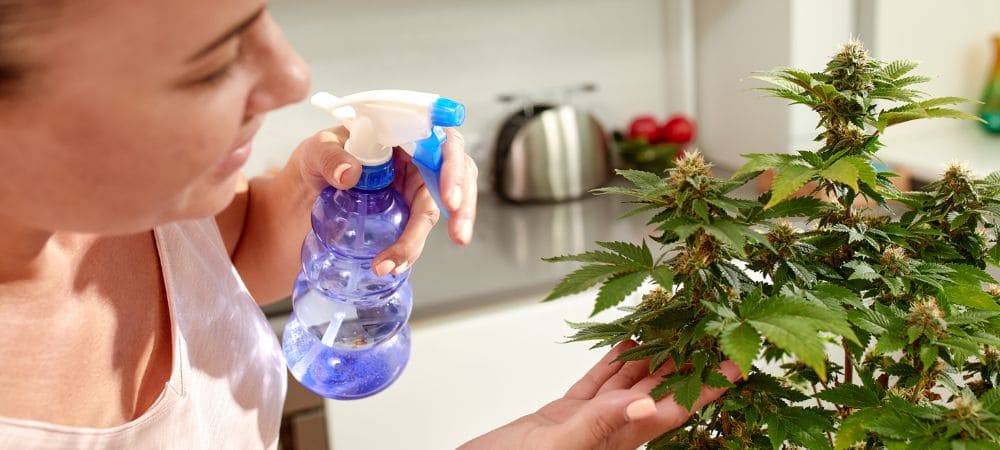
Recommended frequency and dosage
Apply the selected fungicide every 7–15 days, depending on the product used and the severity of the infection. It’s important not to overdo the amount or frequency, as this may harm your plants.
Best times of day to apply
This is important year-round but especially during the hottest months. Apply the fungicides early in the morning or late in the evening to avoid sunburn or evaporation.
Precautions to keep in mind
To make sure the product is suitable for your plants and condition, test it on a small area first before applying it to the whole plant. Avoid applying the product on rainy or windy days, as it may get diluted or displaced, reducing its effectiveness.
Comparison: homemade vs. chemical fungicides
Besides natural solutions, there are also chemical alternatives that may be useful. To help you choose the best option, here’s a comparison table:
Fungicide Comparison
| Feature | Homemade Fungicides | Chemical Fungicides |
|---|---|---|
| Immediate Effectiveness | Medium | High |
| Environmental Safety | High | Low |
| Cost | Low | High |
| Residue on Edible Plants | No | Yes (in some cases) |
If you’re looking for more ways to protect your plants, check out our selection of insecticides and fungicides, both natural and chemical.
[ppgbo products=”4606,5196,2702″ language=”en”]
Tips to prevent fungal growth on plants
Humidity control
Fungi thrive in moist environments, so it’s crucial to avoid overwatering and ensure proper drainage in pots and soil.
Proper ventilation
Keep your plants spaced out to improve airflow between leaves and prevent mold buildup.
Clean tools and pots
If you have or suspect infected plants, clean and disinfect tools and containers between uses to prevent spreading the fungi.
Avoid overwatering
One of the key factors for fungal growth is excess moisture in the soil. Water your plants only when the topsoil feels dry to the touch.
For more tips on protecting your plants, check out our article on how to prevent pests in cannabis cultivation.