Personalized attention +34 96 206 62 98
 SHIPPING TO ALL

 9/10 Rating
 Discreet shipping


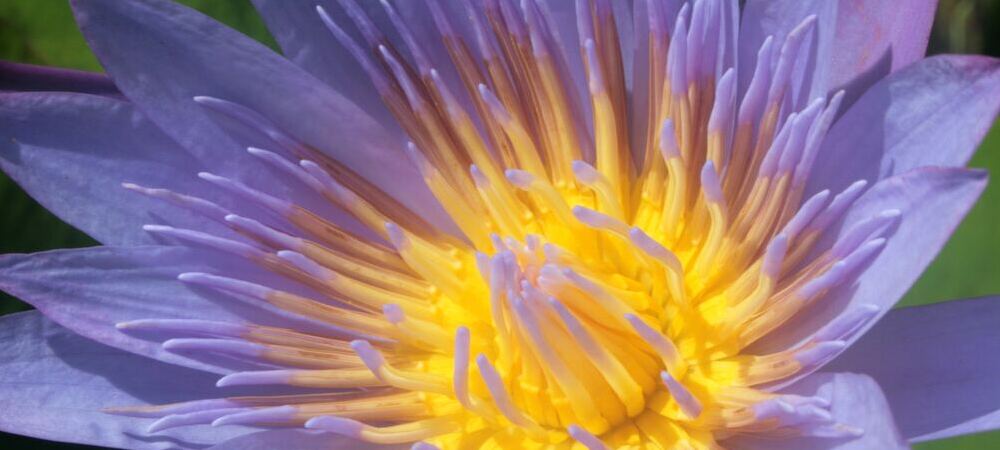
The Blue Lotus Flower, also known as the sacred blue lily, blue Nile or Egyptian lotus, gets its name from its color and origin; a visually pleasing blue, though it can appear more white or violet. This species has been used for its psychoactive effects for many years in Egypt, becoming an integral part of the country’s history and mythology. Classified in Latin as Nymphaea nouchali, the caerulea variety is threatened in some countries and is currently considered a protected species.
Characteristics of the Blue Lotus Flower
As mentioned, the Blue Lotus flower grows in fresh water (lakes, rivers) and exhibits a cerulean color. Some of its most significant characteristics are:
- They only bloom when the sun rises, and the lotus enters a state of hibernation in winter, being a perennial plant.
- The scent of the blue lotus flower is described as similar to that of hyacinth.
- It has a rhizome (underground stem) that is considered edible.
- Although this plant is mainly found in Africa and Asia, it is possible to cultivate it yourself: the blue lotus needs plenty of sun and about 30 cm of still water.
- It is important to avoid running water, such as from a fountain.
- It also dislikes wind. It will thrive better in a garden than indoors, as it is primarily pollinated by bees.
History of the Blue Lotus: its importance in Ancient Egypt
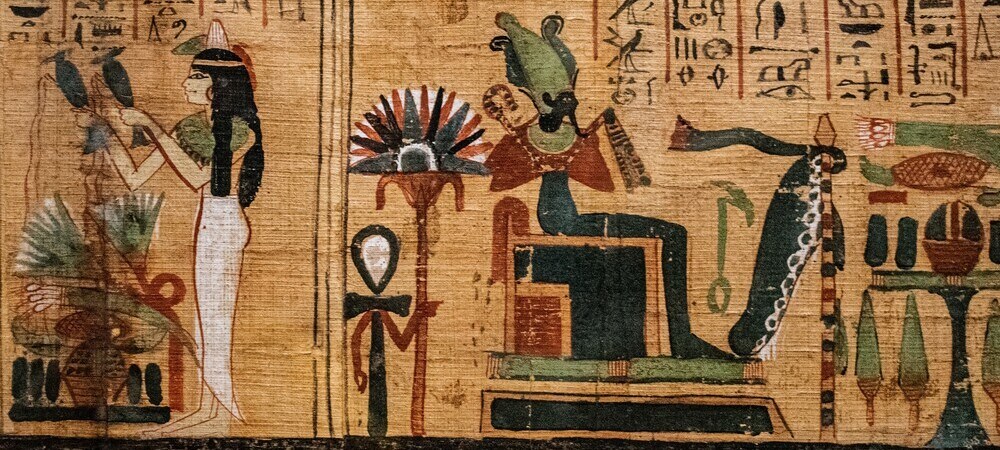
This species is best known for being a ritual plant in Ancient Egypt. Furthermore, the consecration of the Blue Lotus dates back to the creation of the world according to the Egyptians. The first living thing to emerge from the abyss (Nun or Nouou, the primordial Ocean) was a lotus flower, from which Nefertum, the god of aromatherapy, perfumes, and cosmetics, was born. Thus, it represents the renewal of life, as it only blooms when the sun is present and closes at night.
Moreover, it has been found, among other places, in the tomb of Pharaoh Tutankhamun. In fact, it was used by priests and shamans during ceremonies. Further, the blue lotus was also the symbol of certain deities and is painted and represented in Egyptian art. This was particularly the case with the god Nefertum, depicted with a blue lotus on his head. It also had other uses: it was highly valued and cultivated for its beauty, and people wore it as an adornment. Above all, its consumption in traditional medicine or as a recreational and aphrodisiac drug is noteworthy.
Effects of the Blue Nile Lotus
The effects of the Egyptian blue lotus are due to two main molecules: apomorphine and nuciferine. Apomorphine is used in the treatment of Parkinson’s disease as it plays a role in muscle control. Additionally, its actions are numerous: for example, they allow for a certain relaxation, aiding in sleep and releasing tension. Also, regarding sleep, they increase the likelihood of experiencing lucid dreams.
Furthermore, they improve mood, reduce anxiety, and can induce slight euphoria and giggles, making everything more enjoyable while generally relaxing the body. Additionally, blue lotus helps resolve potential erection problems and increases libido, which is why the Egyptians sometimes used it as an aphrodisiac.
The blue lotus also contains the following flavonoids with antioxidant properties:
- Quercetin
- Kaempferol
- Myricetin
Antioxidants help maintain good health and reduce the risk of developing chronic diseases.
Uses and consumption methods of Blue Lotus
Historically, Blue Lotus was primarily consumed in wine. It was left to infuse for a few days or weeks, using 10 grams per bottle. The bottle was mixed regularly without opening. Additionally, you can enjoy the effects of blue lotus by infusing it. Simply add one to two teaspoons (or 3 to 5 grams) of dried flowers to boiling water. Let it steep for 5 to 10 minutes.
The dried flowers can be smoked and vaporized after grinding them with a grinder, and those who know how can make a type of hashish to smoke or use them with any of the vapers from our vape shop. Sometimes, blue lotus is found in oil form and can be used topically.
However, some precautions must be taken regarding the ingestion of blue lotus: it should not be consumed in combination with strong alcohol or cannabis, or before surgery (it is recommended to stop taking it at least two weeks before such an operation). Besides, attention should also be paid to blood sugar levels, especially if diabetic, because blue lotus tends to lower them.
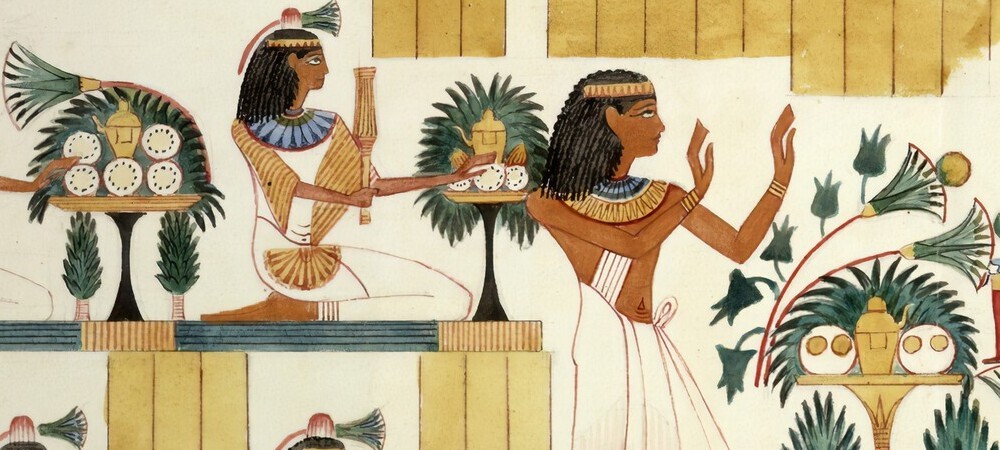
The blue Nile lotus was used by the ancient Egyptians in ritual practices due to its psychoactivity, as it was associated with divinity and held an important place in the mythology of the time. It is a very beautiful flower with a pleasant smell whose effects can be beneficial for well-being. Obviously, always respect the regulations in your country regarding substance consumption and take necessary precautions.