Personalized attention +34 96 206 62 98
 Free shipping to Iberian Peninsula from 30€
 9/10 Rating
 Discreet shipping


Marijuana leaves are not just vital for photosynthesis — they are also one of the best indicators of your plant’s overall health. Observing changes in their color, texture, or shape can reveal anything from nutrient deficiencies to pests or fungal diseases.
Spotting sick marijuana leaves early allows you to act before the problem seriously affects plant development and, ultimately, harvest quality. Understanding what your leaves are telling you is an essential skill for any grower looking to achieve optimal results.
Common signs of sick marijuana leaves
Identifying sick marijuana leaves early can mean the difference between saving your grow or losing it completely. Cannabis plants send visible signals when something is wrong, and learning to recognize them will help you act quickly and precisely. Problems may stem from pests, diseases, nutrient deficiencies, or environmental stress — and each one leaves a mark on the foliage. The main signs to watch for include:
Color changes
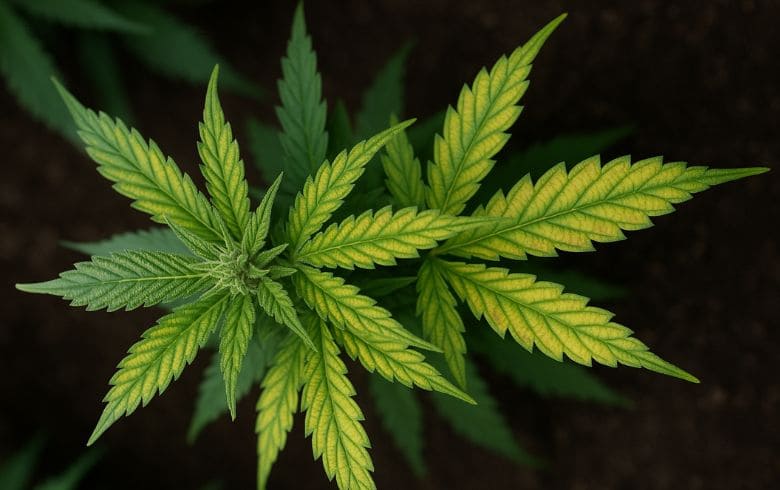
Leaves may turn yellow when the plant lacks nitrogen, as it begins to use its internal reserves. They may also develop brown spots or burns from light stress or salt buildup in the growing medium, which directly affects root health. In other cases, foliage turns purple either due to cold temperature stress or the genetic traits of the strain being grown. Additionally, the appearance of irregular spots in different colors usually indicates the presence of fungi, bacteria, or even microscopic pests that weaken the plant.
Abnormal texture
When leaf surfaces become dry, rough, and brittle, it’s often a sign of dehydration or mineral deficiencies such as calcium or magnesium. On the other hand, a soft, limp texture usually signals overwatering, which causes oxygen depletion in the roots and encourages fungal growth. Monitoring leaf texture is crucial as it lets you adjust watering frequency and nutrient levels before the problem worsens.
Deformations
Leaves that curl upward or downward, develop strange shapes, or show burnt edges are often reacting to environmental or nutritional stress. These symptoms can be linked to excessive heat, an unbalanced pH in the medium, or nutrient toxicity caused by over-fertilization. Detecting and correcting these deformations as early as possible is key, since failing to do so can cause damage to spread and negatively impact growth and final yields.

Main causes of sick marijuana leaves
Sick marijuana leaves are a clear warning sign that something is wrong with your grow. Spotting them early lets you take action before plant health or yields are seriously affected. Understanding the root cause is crucial to applying the right treatment and preventing further damage. The most common causes include:
- Environmental stress (temperature, humidity, light). Extreme temperatures, improper humidity, or too much light can cause burns, curling, or premature leaf drop.
- Watering issues: Overwatering or underwatering can lead to yellowing leaves or dry, crispy foliage.
- Nutrient deficiencies or excess: These cause discoloration, spots, or burnt tips and edges. Using high-quality nutrients and following recommended dosages is the best prevention.
- Pests and fungi (spider mites, thrips, powdery mildew, etc.). These directly attack the leaves, weakening the plant and reducing its ability to photosynthesize.
- Environmental stress repetition: Extreme climate conditions can repeatedly trigger leaf damage if not corrected.

How to tell a sick leaf from natural aging
In cannabis cultivation, not all sick or wilted marijuana leaves mean there’s a disease. Natural aging is part of the plant’s life cycle, and knowing how to distinguish it from a real problem helps avoid unnecessary treatments.
Under normal conditions, the lowest leaves may lose color and fall as the plant redirects energy to new growth or flower production. This usually happens gradually, with a uniform yellow tone and without spots or deformations.
In contrast, sick marijuana leaves show irregular symptoms: brown or black spots, burnt edges, uneven discoloration, or sudden appearance of odd colors. They may also curl, dry out excessively, or feel brittle to the touch.
When a yellow leaf is not a problem
- It happens on older leaves near the base of the plant.
- The yellowing is slow and uniform.
- It does not spread to new or healthy leaves.
Recognizing this difference is key to taking timely action and keeping a healthy grow without falling into misdiagnosis.
Methods to spot sick marijuana leaves early
A healthy cannabis grow doesn’t maintain itself — the key is to spot any abnormality before it becomes a serious issue. Constant observation and the right tools allow growers to react in time and avoid yield or quality losses. These methods are essential for anyone who wants to keep their plants thriving.
| Method | Details |
|---|---|
| Daily visual inspection with magnifier | Spend a few minutes every day checking leaves, stems, and buds to spot spots, deformations, or early pest activity. Using a magnifying glass or portable microscope helps reveal mites, thrips, or spores that would otherwise go unnoticed. |
| Check substrate and roots | An overly wet, smelly, or compacted medium can signal watering issues or fungal infections. If possible, inspect the roots: healthy roots are white and firm, while dark or mushy ones often mean root rot. |
| Use pH and EC meters | To prevent sick marijuana leaves, use pH and EC meters. pH ensures proper nutrient absorption, while EC measures how much “food” your plants receive. Monitoring irrigation water and runoff helps detect imbalances early. |
Solutions and prevention for sick marijuana leaves
A quick diagnosis and precise action can save an entire grow. Identifying the cause is the first step; from there, applying the right solution and preventing future sick marijuana leaves will keep your plants with healthy, productive foliage.
- Adjust watering and nutrients. Maintain the right balance between fertilizers, moisture, and drainage to avoid root stress. Regularly check pH and EC levels to ensure proper nutrient uptake.
- Pest and fungus treatments. Use targeted insecticides or miticides as soon as pests are detected. For fungi like powdery mildew or botrytis, apply fungicides preventively and curatively. Also, keep your grow area clean, removing all plant debris to prevent infection sources.
- Control grow room climate and outdoor conditions. For indoor plants, regulate temperature and humidity with devices like fans and exhaust systems. If you grow outdoors, adjust plant placement and protection based on season and local climate.
Prevention is by far the smartest and most effective way to keep a healthy, productive grow. It not only helps avoid unexpected problems but also protects the time and resources you have invested in your plants.