 Personalized attention +34 96 206 62 98
 SHIPPING TO ALL

 9/10 Rating
 Discreet shipping

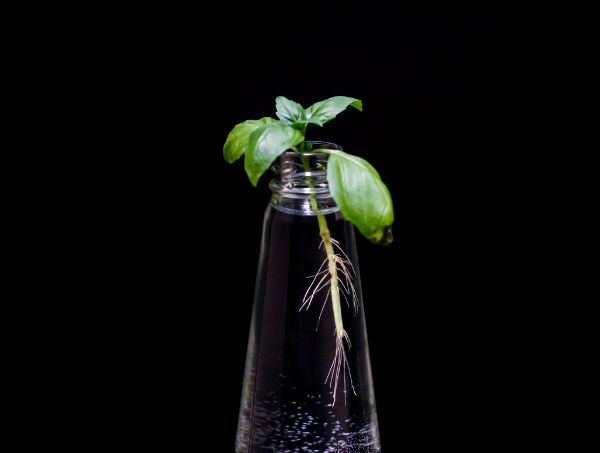
Every grower wants their plants to grow and develop to achieve quality yields. To do this, various products available on the market can be used, such as rooting hormones, whose purpose is to improve and facilitate plant growth or performance at all stages. But, did you know that you can make a homemade rooting hormone easily and quickly from the comfort of your home? Stay and find out!
Rooting Hormone: What it is and what it’s for
A rooting hormone is a product used to boost root development from the moment of germination until about two or three weeks later. Root growth is essential for plant nourishment, as the larger the roots, the more nutrients and water they can absorb. With these fertilizers, you get plants with much greater development and quality.
Likewise, rooting hormones allow roots to form on cuttings, helping them, as the name suggests, to root faster. For this reason, they are often used when dealing with cuttings.
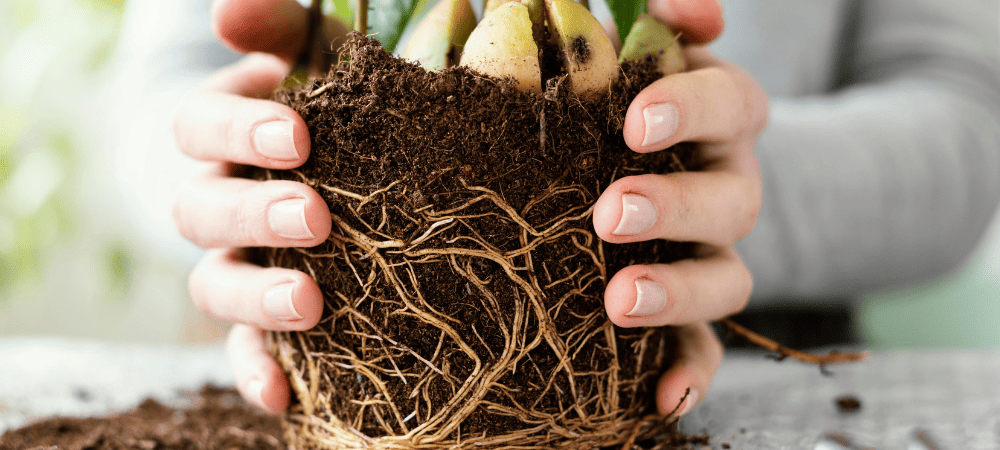
How Do Rooting Hormones Work?
These fertilizers are created from rooting hormones, beneficial fungi, vitamins, and other substances that boost root growth. They’re available in liquid or powder formulations. For liquids, you dip the base of the cutting in the solution, while for powders, you coat the cut base of the seedling.
Additionally, they can offer several extra benefits for plants: by thickening and increasing the number of roots, the plant will not only make better use of available food but also of any added fertilizers or products.
Types of Rooting Hormones Available
The market offers various commercial products of this type. We can differentiate between two main types of products:
- Plant Growth Regulators (Phytohormones): These have a chemical origin. Depending on the dose, they have different application methods and can produce various effects on plants.
- Hormonal Regulators: In total, there are five hormones commonly found in rooting products, known as phytohormones: ethylene, gibberellins, abscisic acid, cytokinins, and auxins. The balance between all of them, specifically between cytokinins and auxins, is necessary for roots to develop correctly.
- Furthermore, there are different organic stimulators available, such as Organic Roots or Root Stimulator.

Homemade Rooting Hormone: Advantages and Disadvantages
Among the benefits that rooting hormones provide are the protection of the plant from external pathogens during cultivation and the ability to significantly improve the absorption of nutrients and water, increasing the size of the plants and their fruits. However, choosing a homemade rooting hormone can offer even greater advantages.
| Advantages | Disadvantages |
|---|---|
| Much more economical system, as it’s made with common household items. | They don’t act as quickly as industrial rooting agents. |
| Suitable for organic gardens, maximizing the use of cuttings. | These are perishable products and require proper refrigeration to maintain their effectiveness. |
| The remains from their preparation can be used in the substrate, compost, or vermicompost. | – |
How to make a homemade root stimulator?
Other than the commercial rooting products, it is possible to make ecological rooting hormones in a simple way with various natural components. To do this, you need to look for certain sources that stimulate the emission of roots. Some of the most frequently used are the following:
Coffee as a Homemade Rooting Agent
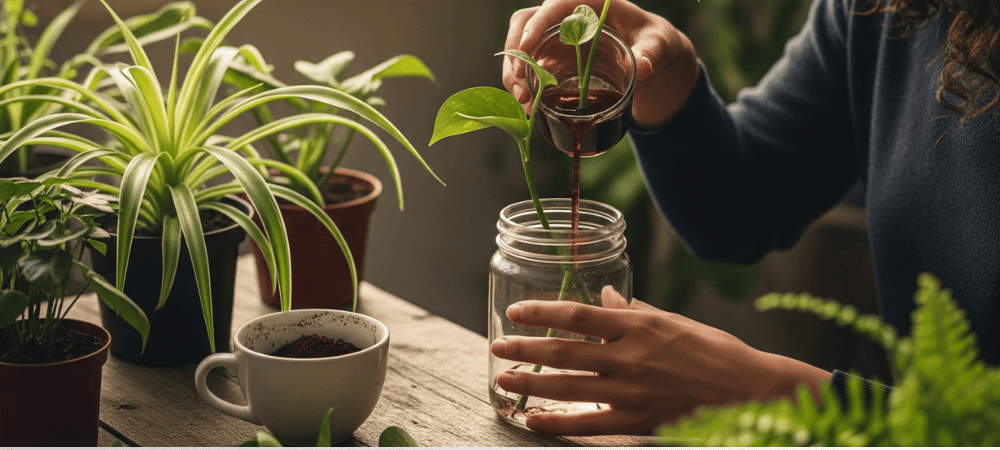
Coffee isn’t just an excellent stimulant for people; it can also be one for your plants! Its active compounds promote root growth and can be used as an accessible and effective homemade rooting agent. Here’s how to make it step by step:
- Use about 60 grams of coffee beans or ground coffee for every half liter of water.
- Boil the mixture until it reaches boiling point to extract the active compounds.
- Strain the liquid to remove any solid remains.
- Let it cool completely before applying.
- Optionally, you can soak the cuttings for a few minutes in this solution before planting them.
- You can also spray the base of the cutting with the resulting liquid to stimulate root formation.
- Used coffee grounds can be repurposed to improve substrate or compost, although they have different functions than a rooting agent.
This method is ideal for those looking for eco-friendly solutions.
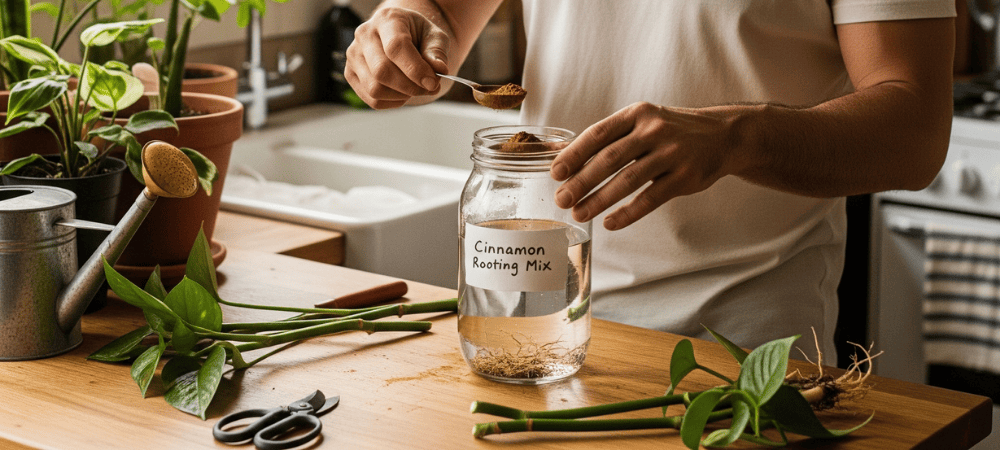
Homemade Rooting Hormone with Cinnamon
Cinnamon is one of the most popular rooting agents due to its power to stimulate root growth and its antifungal properties. It also acts as a natural ant repellent, providing extra protection to your seedbed or substrate.
Here’s how to make it:
- Add 25 grams or 3 tablespoons of cinnamon powder for every liter of water.
- Let the mixture sit for at least an hour (you can leave it overnight for better extraction).
- Filter the liquid to remove any cinnamon residue.
- You can store the prepared solution in the fridge to keep it fresh for several days.
- Once cool, dip the stems of your cuttings for a few minutes before planting them.
This natural rooting agent is ideal for organic gardens and for those looking for an effective, economical, and chemical-free alternative. Plus, it reduces the risk of fungi and repels pests.
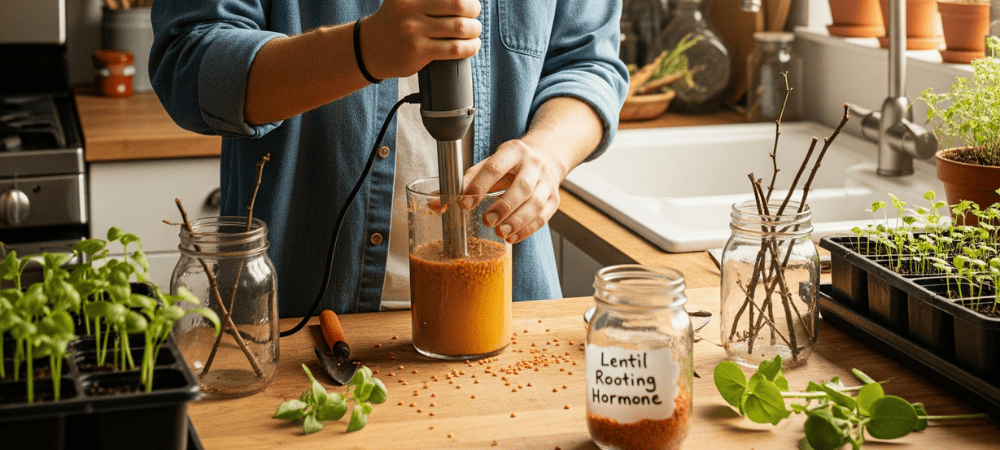
Homemade root stimulator made with lentils
Many seeds release a large amount of hormones during germination, perfect for root development; that’s what happens with lentils.
- Add about 100 grams of lentils in a litre of water for 24 hours, after which the water is drained and stored in another closed container in a dark place at room temperature. Do the same with the lentils.
- Leave for 24 hours and soak again for 15 minutes. Separate the liquid from the legume and repeat the process until the lentils sprout and take root.
- Crush, strain and pour the liquid into a spray bottle to pulverise the base of the cutting.
Homemade Rooting Hormone with Aloe Vera
Aloe vera isn’t just famous for its medicinal properties; it’s also an excellent natural rooting agent for cuttings. Its gel is packed with vitamins, minerals, and enzymes that promote the rapid and healthy development of new roots. Additionally, it acts as an antifungal protector and a healing agent, reducing the risk of infections in freshly cut stems.
Here’s how to use it:
- Cut a fresh aloe vera leaf and extract the inner gel with a spoon.
- Mix the gel with a little water to create a liquid solution (you can use a blender).
- Dip the base of the cutting in the mixture for a few minutes before planting it.
- You can also pour the gel directly into the substrate where you’re going to plant the cutting.
- Insert the cutting inside a cut aloe leaf so it’s in direct contact with the gel, and keep it there for a few minutes before transplanting.

All of these methods can be used to make a premium homemade root stimulator for your plants, which is perfect for organic growing. This way, cannabis plants’ roots will get more growth, absorb more nutrients and develop vigorously.
Frequently Asked Questions (FAQ) about Homemade Rooting Hormones
What is a homemade rooting hormone and what is it for?
What are the advantages of using a natural rooting hormone compared to a commercial one?
- It’s much more economical and accessible.
- Perfect for organic and sustainable gardens.
- Its remnants can be used for compost or substrate.
- It doesn’t contain harsh chemicals.




2 replies on “How to make homemade root stimulators?”
I’ve learned new ideas from this write-up, I’ll try it at home to see the effects. Thank you
Hi. We are very glad that you found our post interesting. Kind regards!