Personalized attention +34 96 206 62 98
 Free shipping to Iberian Peninsula from 30€
 9/10 Rating
 Discreet shipping


H4CBD is a synthetic cannabinoid that has gained popularity in recent years. Although it is not a natural component of the cannabis plant, it is created in laboratories by adding hydrogen atoms to CBD molecules. The result is a chemical compound with effects similar to CBD but with greater intensity and faster onset. Learn more about it in this article.
What is H4CBD?
H4CBD is a synthetic cannabinoid derived from CBD (cannabidiol). It is produced in laboratories by adding hydrogen atoms to CBD molecules. It is also known as hexahydrocannabidiol or hydrogenated CBD.
Unlike CBD, this cannabinoid has a slightly different molecular structure, which means it may have unique properties compared to CBD. Although research on it is still limited, it is believed to have potential in treating various conditions.
Additionally, H4CBD has a higher affinity for the body’s endocannabinoid receptors, which may result in more potent effects than CBD. Some studies suggest it could be more effective than cannabidiol in treating certain ailments.
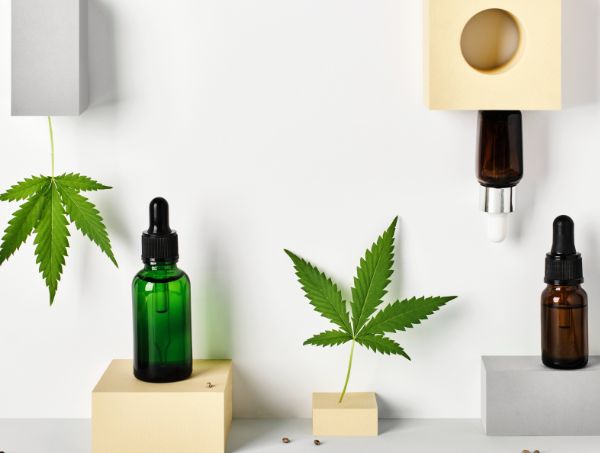
However, it is important to note that H4CBD is a synthetic cannabinoid and not a natural component of the cannabis plant. This means its production and use are subject to legal regulations and restrictions in some countries.
History of this cannabinoid
H4CBD was first synthesized in 1940, but researchers only began exploring its properties in depth about two decades ago, as cannabinoids gained popularity for their therapeutic potential.
This hydrogenated CBD is created in a lab by adding hydrogen atoms to a CBD molecule. The result is a substance that, while similar to CBD, has some molecular differences that may alter its effects on the body.
Researchers have started studying its properties and therapeutic potential, but more studies are needed to fully understand its applications.
Extraction Process
The extraction process for H4CBD is complex and requires advanced technical knowledge. The most common methods are catalytic hydrogenation and metal-assisted hydrogenation. In both cases, hydrogen atoms are added to the CBD molecule to produce H4CBD.
- Catalytic hydrogenation uses a catalyst to accelerate the chemical reaction. This method is faster but more expensive.
- Metal-assisted hydrogenation is slower but more cost-effective. Metals like nickel or palladium are used as catalysts for the hydrogenation reaction.
Refinement
Once extracted, H4CBD must be refined to remove impurities and ensure high quality. Refinement is achieved through distillation and crystallization.
- Distillation separates H4CBD components based on boiling points, eliminating impurities for a purer product.
- Crystallization further purifies H4CBD by dissolving it in a solvent and then evaporating the solvent to form high-purity crystals.

Benefits of H4CBD
As a relatively new compound, more research is needed to determine its exact effects. However, is believed to share many therapeutic properties with CBD. Some potential benefits include:
- Pain relief – Like CBD, H4CBD may have analgesic properties.
- Anxiety reduction – It could help lower anxiety levels, benefiting those with anxiety disorders.
- Improved sleep – May enhance sleep quality for those with insomnia.
- Anti-inflammatory effects – Early studies suggest it may reduce inflammation.
- Mood regulation – Could help stabilize mood swings.
Since research is still ongoing, it is advisable to consult a healthcare professional before using H4CBD or any cannabinoid-based supplement.
Like cannabidiol, H4CBD is available in various forms, including CBD vapes.
Differences Between HHC, THC, CBD, and H4CBD
With the rise of new cannabinoids like HHC and H4CBD, it’s important to understand how they differ from well-known compounds like THC and CBD. Although they belong to the same family, their effects, origins, and therapeutic applications vary significantly.
To help you compare them easily, we’ve prepared a table highlighting the key differences between HHC, THC, CBD, and H4CBD, so you can choose the best cannabinoid for your needs.
| Characteristic | THC | CBD | HHC | H4CBD |
|---|---|---|---|---|
| Nature | Natural | Natural | Natural (in traces) / commercially synthetic | Synthetic (derived from CBD) |
| Psychoactive effect | High | None | Moderate | Very low |
| Chemical origin | Directly derived from cannabis | Directly derived from cannabis | Hydrogenation of THC | Hydrogenation of CBD |
| Affinity with CB1 receptors | High (direct activation) | Low (modulates without activating) | Moderate (similar to THC) | Low (similar to CBD) |
| Therapeutic benefits | Pain relief, nausea, increased appetite | Anxiety, epilepsy, inflammation, chronic pain | Analgesic, mild euphoria, relaxation | Possible relief of pain, anxiety, sleep, TNF-$\alpha$ inhibition |
| Legal regulation | Strictly regulated (psychoactive) | Legal in many countries (non-psychoactive) | Ambiguous / not explicitly regulated in many places | Still without clear regulation in many jurisdictions |
| Interaction with the endocannabinoid system | Direct activation of CB1 and CB2 receptors | Indirect modulation (without direct activation) | Partial activation of endocannabinoid receptors | Modulation similar to CBD, no conversion to THC in the body |
| Medicinal use | Treatment of pain, nausea in chemotherapy | Epilepsy (e.g., Epidiolex), anxiety, inflammation | Potential use in pain and anxiety (lack of solid evidence) | Preliminary research on effects on inflammation and mood |
| Side effects | Euphoria, paranoia, dry mouth, increased appetite | Very few; possible drowsiness or interaction with other medications | Possible anxiety, drowsiness, or mild alterations | Few known; possible slight sedation or relaxation |
Is H4CBD legal?
The truth is that the legality of H4CBD isn’t a black and white issue. As with many cannabinoids, especially synthetic ones, its legal status isn’t entirely clear. Since it’s not specifically listed in laws, many consider it legal by omission. But be careful, that doesn’t mean it can be used in any way or format.
In countries like ours, the use of cannabinoids is limited to very specific forms: for example, topical application or consumption via vapes and e-liquids is permitted. Any other form—like ingesting it or smoking it as flower—would fall outside what’s allowed, and that can have legal consequences.
And here’s the tricky part: since H4CBD is a synthetic compound—meaning we don’t find it as is in nature—it’s under the radar of many regulatory agencies. In fact, France has already banned H4CBD, along with other artificial cannabinoids like THCP. This could soon be repeated in more places in Europe, so it’s wise to stay informed about any legal changes.
Products that can be purchased
Although its use and sale are not yet widespread, it’s possible to find H4CBD vapes, such as the H4CBD Mango Happy Garden Disposable Vape, in physical and online stores. However, being a synthetic product, it may be subject to certain restrictions, depending on the country or jurisdiction.
Before buying from a physical store, it’s advisable to research whether the product is permitted in your area and if the store is authorized to sell it. Likewise, it’s important to read the product label carefully to ensure that H4CBD is the main component and that it doesn’t contain other potentially harmful ingredients.
In summary, although H4CBD may have interesting therapeutic properties, its lack of regulation makes it a somewhat unsafe option for human consumption. More studies are needed to determine its safety and efficacy before it can be considered a viable medical treatment.