Personalized attention +34 96 206 62 98
 Free shipping to Iberian Peninsula from 30€
 9/10 Rating
 Discreet shipping


Psilocybin mushrooms, also known as magic or hallucinogenic mushrooms, have been used for centuries for their powerful psychoactive effects. Today, their interest has resurfaced in both recreational and therapeutic contexts. This article explores everything you need to know about hallucinogenic mushrooms, psilocybin, the types of psychedelic mushrooms that contain it, their effects, how they are used, and the potential risks.
What are hallucinogenic mushrooms?
Psilocybin mushrooms, also called magic mushrooms, are a group of fungi containing natural psychoactive compounds. The main one is psilocybin, which can alter perception, thought, and mood in those who consume it, inducing a psychedelic experience. They are also called psychedelic or entheogenic mushrooms, highlighting their historical use in spiritual contexts.
More than 200 species contain psilocybin, with Psilocybe cubensis being the most well-known. The effects of psilocybin go beyond hallucinations; they can induce deep introspection, euphoria, and a sense of emotional connection with the environment. Unlike mushrooms like Amanita muscaria, which contain different compounds, psilocybin mushrooms primarily act on the brain’s serotonergic system. Currently, scientific interest has resurged, investigating their therapeutic potential for treating depression and anxiety.
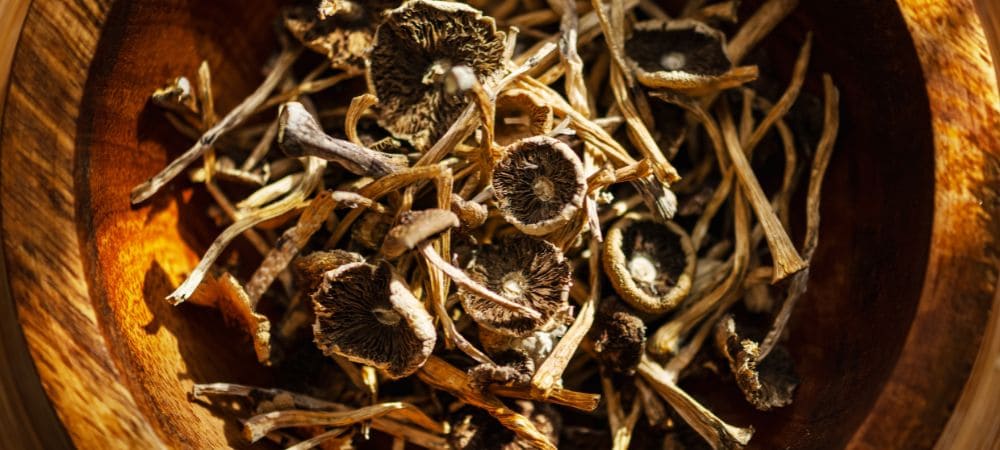
The appearance of hallucinogenic mushrooms varies greatly by species. However, many psilocybin mushrooms are small, with brown or golden caps and dark gills that turn blue when handled. This blue discoloration is a key indicator of the presence of psilocybin and psilocin.
Psilocybin: the active compound in magic mushrooms
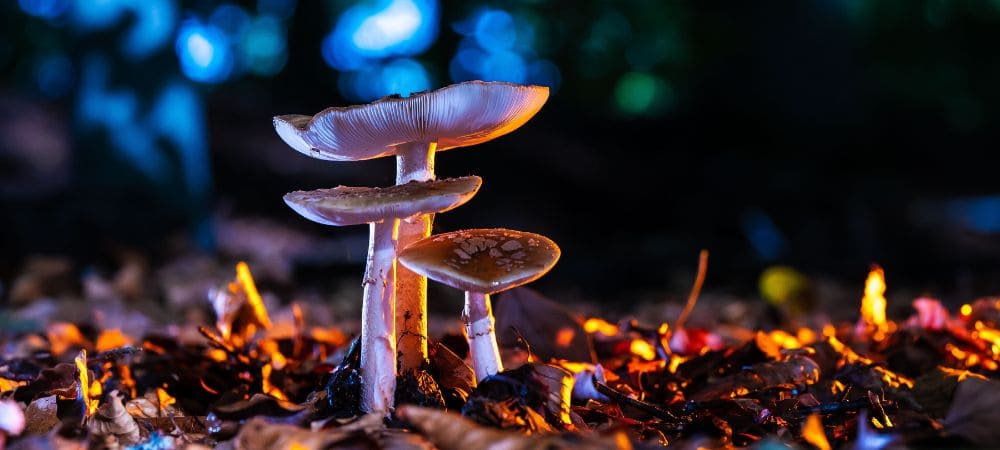
Psilocybin is the most important natural psychoactive compound in magic mushrooms. It is responsible for the profound changes in consciousness experienced by users and has become a central focus of modern scientific research. Psilocybin is a psychedelic alkaloid that, when ingested, acts as a prodrug for psilocin, its active form. Both are present in variable concentrations in more than 200 species of mushrooms, including the popular Psilocybe cubensis.
What does psilocybin do to the body?
The effects of psilocybin can be classified into several categories, and their intensity depends on factors such as dosage, environment (“set and setting”), and individual sensitivity.
- Physiological and sensory effects: Can produce visual and auditory hallucinations and distortions of perception. Physically, common effects include pupil dilation, increased blood pressure and heart rate, as well as nausea, vomiting, or muscle weakness.
- Emotional and psychological effects: Can induce euphoria, a deep sense of well-being, and increased empathy. Many users report profound introspection or a feeling of unity with the universe. In therapeutic settings, these effects are used to treat depression and anxiety.
- Cognitive effects: Psilocybin alters perception of time and space. The sense of self or ego may temporarily dissolve, which can be a liberating experience for some, but frightening for others.
Although psilocybin is considered low in toxicity, its use is not risk-free, especially in high doses or uncontrolled settings. The dangers of hallucinogenic mushrooms often manifest as a negative experience or “bad trip,” which may include anxiety, panic, or paranoia.
The U.S. Food and Drug Administration (FDA) has granted psilocybin “Breakthrough Therapy” designation, recognizing its potential in treating depression, which has encouraged research at institutions such as Johns Hopkins University and organizations like MAPS (Multidisciplinary Association for Psychedelic Studies).
Is psilocybin addictive? Can it cause withdrawal?
Psilocybin differs from other drugs of abuse in its low potential for addiction. Numerous studies, including those from the University of Zaragoza, have shown that psilocybin does not produce physical dependence or withdrawal symptoms, unlike opioids or alcohol. Magic mushrooms do not activate the brain’s reward circuits in the same way addictive substances do.
However, temporary tolerance can develop. This means that frequent use of psilocybin reduces the effects of a similar dose, often leading to a natural pause in consumption. This, combined with the nature of the experiences it induces, makes compulsive use rare.
What are magic mushrooms used for?
People use psilocybin mushrooms for various reasons, which can be grouped into three main categories:
- Therapeutic and personal growth purposes: Many use them to improve mental health and for introspection. Modern research shows psilocybin may be useful in treating depression, anxiety, and PTSD.
- Spiritual and entheogenic purposes: Historically, indigenous cultures used magic mushrooms in sacred rituals to connect with the divine. This practice continues today for those seeking a deep connection with nature and the universe.
- Recreational purposes: Commonly used recreationally to achieve euphoria and visual effects. The psychedelic journey can enhance music and art experiences.
For first-time use, it is crucial to do so in a safe environment, with a positive mindset, and in the presence of a trusted person.
[ppgbo products=”2680,2676,7871″ language=”en”]Effects of hallucinogenic mushrooms
The effects of hallucinogenic mushrooms vary significantly depending on the dose, type of mushroom, and the individual’s physiology. Psilocybin, their active compound, is converted into psilocin in the body and acts on the brain’s serotonin receptors, especially 5-HT2A. This interaction alters perception of reality, producing sensory, emotional, and physical changes.
Hallucinations and sensory alterations
One of the most well-known effects is visual distortions. Colors may appear more vivid, objects can seem to move or “breathe,” and geometric patterns are often seen. Synesthesia may also occur, a phenomenon where senses mix, such as “seeing” music.
Feeling of well-being
Many users describe a deep sense of euphoria, well-being, and emotional connection. This effect can lead to profound introspection or a feeling of unity with nature or the universe. In a controlled context, these feelings can be therapeutic and help individuals reconsider problems from a new perspective.
Relaxation or anxiety
While the experience can be very positive, it may also cause negative effects. Depending on the environment and the person’s mood, the psychedelic journey can be calming and enjoyable, or it can induce anxiety, paranoia, intense fear, or confusion. These unwanted effects are known as a “bad trip.”
Physiological changes
Hallucinogenic mushrooms also produce physical changes in the body. The most common include dilated pupils, temporary increases in blood pressure and heart rate, nausea, tremors, and changes in body temperature.
Effects typically begin within 20 to 60 minutes after ingestion. The full “trip” can last 4 to 6 hours, although mild residual effects may be felt for up to 24 hours. Psilocybin metabolites can be detected in the body for a day, but they are usually not targeted in standard drug tests.
Types of magic or hallucinogenic mushrooms
There are different types of hallucinogenic mushrooms classified by their active compounds. Most contain psilocybin, responsible for the psychedelic trip, while others, such as Amanita muscaria, contain muscimol, which produces dissociative effects. It is essential to differentiate between them to understand their effects and risks.
Psilocybin and psilocin mushrooms
This is the most well-known and studied category of magic mushrooms. They contain the alkaloids psilocybin and psilocin, responsible for the characteristic psychedelic trip.
Among psilocybin mushrooms, notable species include Psilocybe cubensis, the most famous and widely cultivated, known for its brown or golden caps. Psilocybe semilanceata, or “liberty cap,” is common in temperate climates and, despite its small size, is among the most potent. Finally, Psilocybe azurescens, native to the U.S. Pacific coast, is considered one of the strongest hallucinogenic mushrooms in the world due to its high psilocybin content, producing very intense effects.
Ibotenic acid and muscimol mushrooms
This category includes mushrooms like Amanita muscaria, recognizable by its red cap with white spots, popularized in culture. The active compounds here are not psilocybin, but ibotenic acid and its metabolite muscimol. These act on the brain’s GABA system, producing entirely different hallucinogenic effects. Instead of a psychedelic trip, the experience is often more dissociative and sedative, often accompanied by drowsiness, euphoria, and, at high doses, delirium. Extreme caution is needed due to toxicity and risk of adverse effects.
Parasitic mushrooms
This is not a clinical or chemical classification but a description of their lifestyle. Some psychoactive species, such as ergot (Claviceps purpurea), grow as parasites on grains and grasses. While ergot contains alkaloids that can produce effects similar to psychedelics, it is extremely toxic and can be fatal. Historically, it caused widespread illness and hallucinations before its compounds were identified.
Most potent hallucinogenic mushrooms
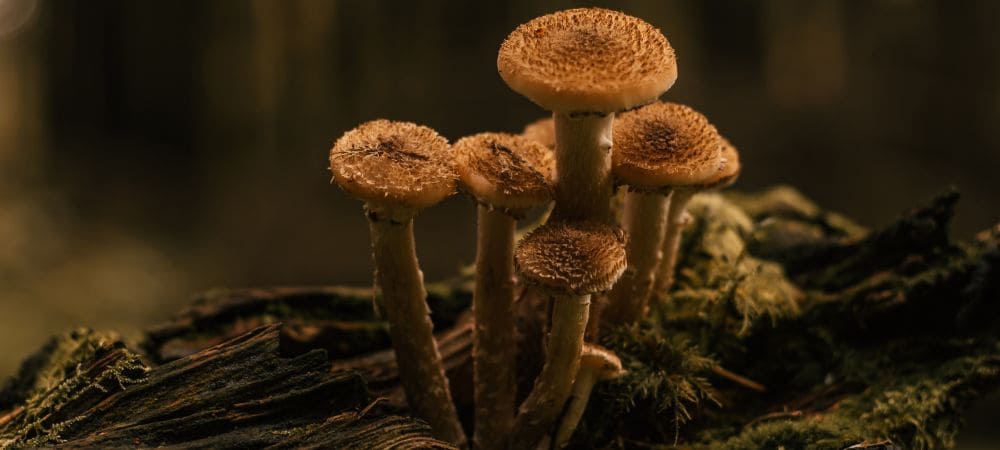
The potency of psilocybin mushrooms varies greatly between species and can fluctuate depending on cultivation conditions. Below are some of the most notable varieties available in our grow kits, from beginner-friendly options to the most intense.
Mexican mushrooms
Mexican mushrooms in our catalog, also known as Psilocybe Mexican, are a classic variety highly valued for their yield and resilience, ideal for beginner cultivators. Historically used in sacred Mesoamerican rituals, they were called “flesh of the gods.” They produce long, thin stems with large caps ranging from yellow to orange-red. Their effects, while potent and entheogenic, are generally manageable, providing a gentle experience with perceptual, consciousness, and emotional alterations.
McKenaii mushrooms
GB The Green Brand McKenaii mushrooms are a lab hybrid created in honor of psiconaut Terence McKenna. This Psilocybe cubensis variety is known for high potency and intense effects, combining strong visual experiences with deep introspection and philosophical insights. The mushrooms have thick, sturdy white stems and rounded brown-orange caps. Although not large, they often grow in abundant clusters. McKenaii mushrooms are recommended for experienced users seeking deep, stimulating inner exploration.
Copelandia Hawaiian mushrooms
Copelandia Hawaiian mushrooms in our store, also called Panaeolus Cyanescens, represent a new level of potency. Originating in Asia, they became popular in Hawaii. These mushrooms are visually distinctive with long, thin stems and contain extremely high psilocybin levels, up to five times higher than other Psilocybe varieties. Though yield per harvest is moderate, their high potency means much smaller doses produce intense visual and introspective effects lasting 5 to 7 hours. They are highly valued for their unique, intense experience, ideal for researchers and experienced mycologists.