Personalized attention +34 96 206 62 98
 Free shipping to Iberian Peninsula from 30€
 9/10 Rating
 Discreet shipping

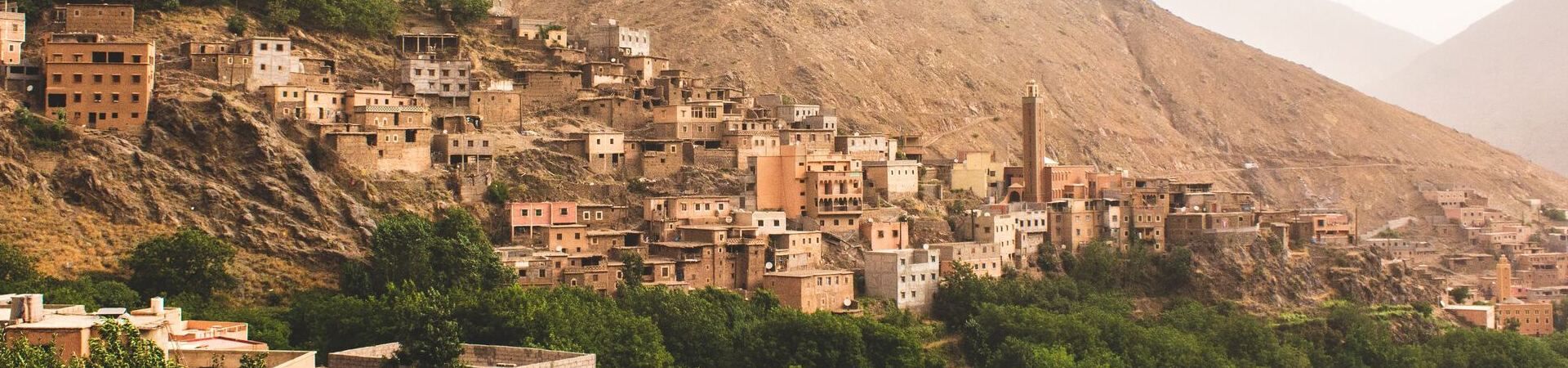
Much of the hashish and cannabis pollen sold in Amsterdam coffeeshops and drug networks comes from the Rif Valley in Morocco. More precisely, from the town of Ketama. It is located in the province of Al Hoceima, in central Morocco. They use an ancestral method of mass-producing the purest, best hash in the entire world: the Ketama drums. In this article, we’ll explain what this is all about. We’ll also give you some information about Ketama hashish.
Some numbers…
The 2016 World Drug Report by the United Nations Office on Drugs and Crime revealed that between 2009 and 2014 and among 129 countries, Morocco occupied first place in terms of hashish production. In fact, 40% of the hashish seized comes from this destination. This should give you an idea of the scale of cannabis production in these parts.
Ketama is the area where the most hashish is produced. In fact, the Ketama region alone accounts for 95% of Morocco’s total hash production. This region simply has the perfect conditions and characteristics for growing cannabis plants, which helps the country grow both economically and culturally.
Why Ketama?
Ketama’s valleys and countless irrigation channels and waterways provide exceptional conditions for cannabis cultivation. Generations of farmers have produced cannabis and hash in these valleys, and after years and years of work, they have perfected a technique used in making hash that isn’t done anywhere else in the world.
The strains in this area naturally grow as indicas due to the weather and their long line of indica and afghan ancestors. They grow some sweet, dense buds and only the sweetest ones are chosen for making the best hash around. You’ve probably heard of some of the famous hash that comes from these plants; Doble Cero (00), Ketama Gold, or Sputnik.
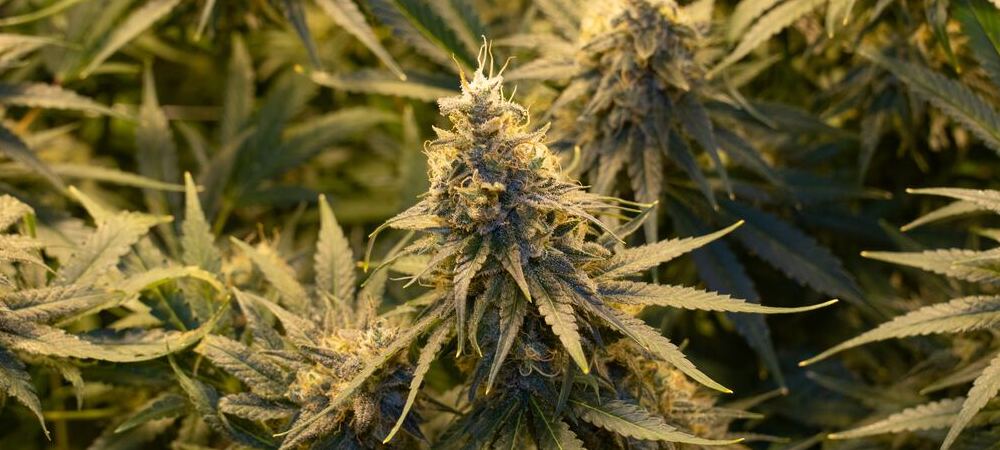
More and more European varieties are being cultivated in the Rif, increasing the quality of the final product. However, current climate changes are slowly beginning to complicate their cultivation. Indeed, European and American genetics are generally less resistant to inclement weather. Rif growers therefore continue to research and cross-breed to constantly improve the strains they have at their disposal and thus offer a product more in tune with the market.
How is the hash done in Ketama?
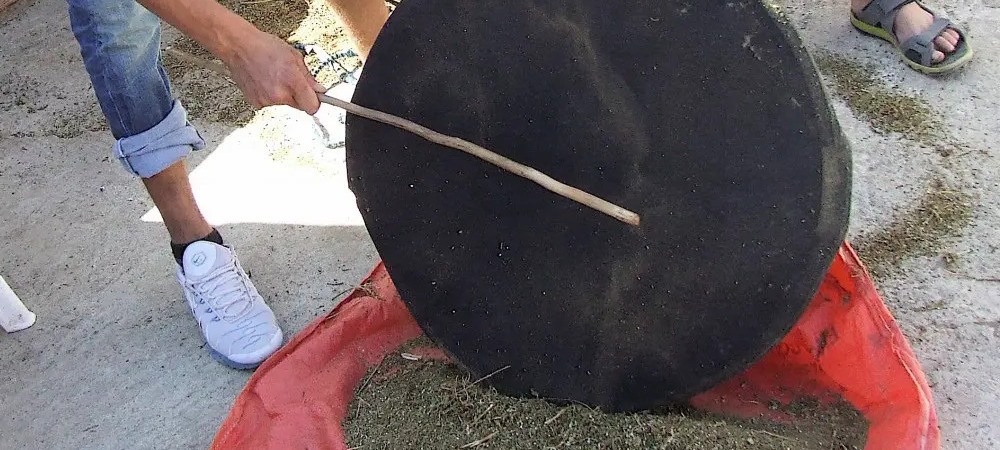
To produce the precious Moroccan hashish, the native Berbers developed a sophisticated yet extremely simple extraction system. A drum is used to extract the dry pollen from plants, which is then processed to obtain several different grades of quality. Certainly, it’s an extremely efficient system, given the astronomical quantities of cannabis circulating in the region.
A simple bucket is used as a base to hold the pollen and a nylon fabric is placed on top, stretched as tightly as possible. acting as a sort of sieve. This is where the pollen particles will go through, resting inside the container. Next, they place sun-dried weed that’s covered with a sort of plastic and tap the stretched tarpaulin with a stick or branch as with a drum. When traveling through the Rif Valley it’s quite common to hear these drums beating from extremely far away.
Ketama drums: a practice that’s tending to disappear?
Unfortunately, in addition to the climatic changes mentioned earlier, which worsen working conditions, massive production tends to impoverish the soil. Cannabis plants are very greedy, and if planted unchecked and unregulated, it encourages soil erosion.
In fact, the Rif valley’s soil erosion is one of the most severe in the world. So, if we want to keep this ancestral hashish-producing culture alive, we should be more aware and sensitive to the state of our planet, so that this special and unique microclimate doesn’t disappear too quickly.

To take advantage of the medicinal properties of cannabis in the form of hashish, don’t hesitate to visit our online growshop, where you’ll find CBD hash at the best price on the market.