Personalized attention +34 96 206 62 98
 Free shipping to Iberian Peninsula from 30€
 9/10 Rating
 Discreet shipping


Pest control is a fundamental pillar in cannabis cultivation, both indoors and outdoors. To ensure a healthy, abundant, and problem-free harvest, it is essential to know what the best insecticide for marijuana plants is, their types, uses, and precautions. In this guide, we explain everything you need to protect your plants effectively and responsibly.
What is a plant insecticide and how does it work?
A plant insecticide is a product formulated to eliminate or repel insects that harm crop development. These substances can be chemical, biological, or organic, and their application must be tailored to the type of pest, the growth stage, and the cultivation environment.
In the case of cannabis cultivation, using insecticides requires special care. The plant is sensitive to residues and contaminants, so environmentally friendly and consumer-safe solutions are prioritized, especially in crops intended for personal or medicinal use.
Many insecticides work by direct contact, though some are absorbed by the plant and affect insects feeding on it (systemic insecticides). There are also repellent or preventive formulations that prevent insects from approaching or laying eggs on the plants.
The key is understanding that the best insecticide for marijuana plants should not only eliminate visible pests but also break the pest’s reproductive cycle without compromising the health of the plant or environment. That’s why experienced growers combine effective products with cultural and preventive practices to reduce new infestations.
What is the purpose of an insecticide in cannabis cultivation?
In marijuana cultivation, insecticides play a crucial role in preventing and eradicating pests that can seriously affect plant development, flowering, and bud quality.
These products allow you to:
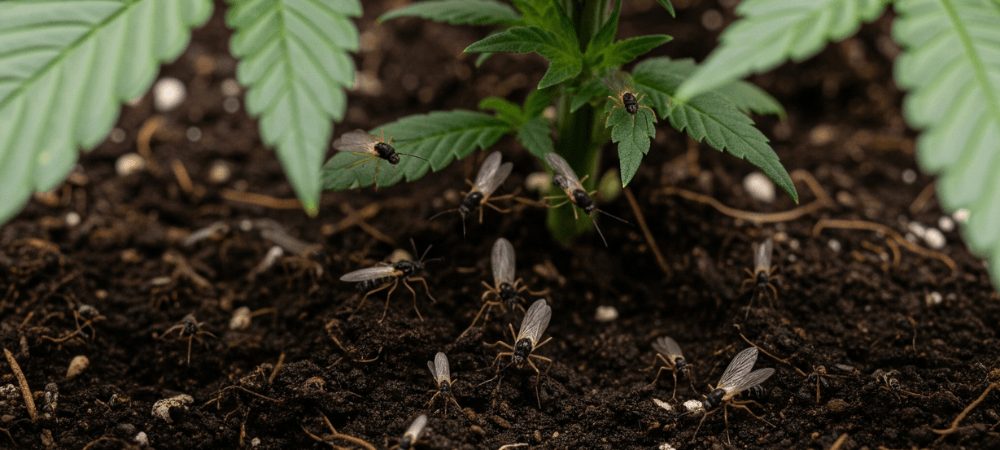
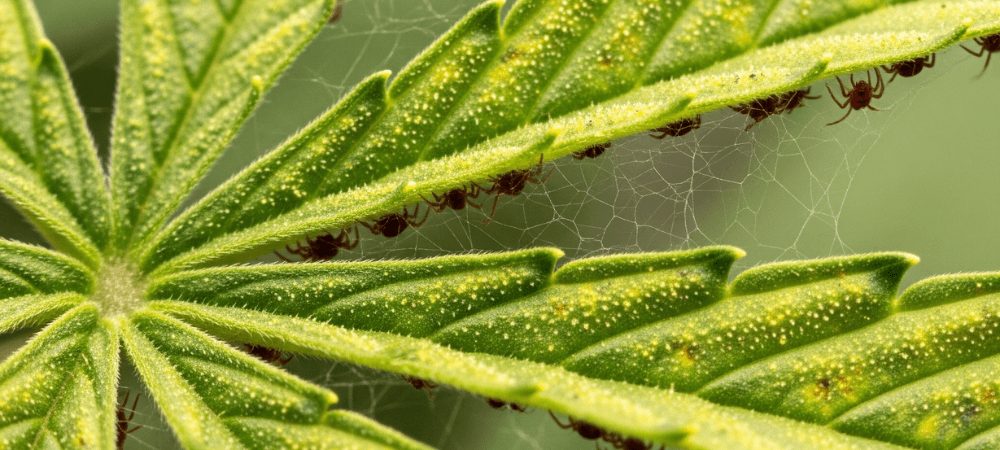
- Prevent and eliminate common pests such as aphids, spider mites, thrips, scale insects, or whiteflies that weaken plants by feeding on their sap or tissues.
- Protect indoor and outdoor crops, especially in climates or spaces with poor ventilation where infestations spread quickly.
- Prevent the transmission of fungal or viral diseases associated with certain insect vectors.
- Maintain a stable growing environment, minimizing the use of harsh chemicals through preventive measures.
- Improve the final yield since healthy plants allocate more resources to growth and flowering.
Additionally, proper insecticide application promotes more sustainable cultivation, reducing biotic stress and enhancing plant vigor throughout the growth cycle.
How does a plant insecticide work?
Insecticides work through different modes of action, and their effectiveness depends on the pest type, crop stage, and formulation used. The most common are:
- Contact action: The product affects the insect directly upon contact, attacking its nervous system or causing dehydration and paralysis.
- Ingestion: The insect consumes treated plant parts and is poisoned, effective against chewing pests like caterpillars or beetles.
- Systemic: The insecticide is absorbed by the plant and distributed through its sap. Ideal for sucking pests like aphids or whiteflies, as it works from inside the plant.
The market also offers broad-spectrum products that eliminate multiple pest types at once, and more specific ones targeted to particular insects. An effective strategy usually combines both, alternating active ingredients to avoid resistance.
Types of plant insecticides
To choose the best insecticide for marijuana plants correctly, it’s important to understand the different types, how they differ by composition, mode of action, and compatibility with various crops.
- Biological and organic insecticides: Made from natural ingredients, ideal for organic cultivation and preserving ecosystem biodiversity. They are also usually safer for beneficial insects like ladybugs and bees.
- Synthetic and systemic insecticides: Formulated with chemical active ingredients, these provide fast and powerful action against a wide range of pests. Careful use is necessary to avoid harmful side effects and resistance.
- Homemade and natural insecticides: These are cost-effective, easy to prepare, and safe to apply. Some of the best homemade insecticides can be made following our blog recipes.
Best insecticide for marijuana plants
Below is a selection of the best insecticidefor marijuana plants in cannabis cultivation, considering their effectiveness, safety, and natural origin.
Spruzit® Insecticide – Acaricide
Spruzit® Insecticide – Acaricide is an eco-friendly solution highly effective against pests in cannabis cultivation, especially recommended to control spider mites, aphids, whiteflies, caterpillars, and leafhoppers. It is formulated with natural pyrethrin extracted from chrysanthemums and rapeseed oil, acting on eggs, larvae, and adult insects by affecting their nervous system and causing rapid death without leaving toxic residues.
This product is a foliar spray suitable for indoor and outdoor use, gentle on the plant and safe for the end consumer. Additionally, it breaks down quickly under sunlight, preventing pest resistance. Ideal for those looking for a powerful, natural insecticide certified for organic farming. Application is recommended every 7 days, avoiding peak sunlight hours.
Fruit Green Total Discharge Fungicide
Fruit Green is a total discharge fungicide specially designed to thoroughly disinfect grow rooms, tools, and equipment. It is ideal both as a preventive and corrective treatment against a wide range of harmful fungi and bacteria affecting marijuana plants, such as powdery mildew, botrytis, fusarium, and rust.
This product works by vaporization, requiring the space to be sealed, exhaust fans turned off, and no human presence during the 12-hour treatment. Once completed, it leaves no harmful residues for plants or the environment, allowing safe reentry to the treated area.
Multiprotection Boom
Multiprotection Boom by Boom Nutrients is a comprehensive solution for protecting cannabis plants against pests and fungal infections. Its advanced formula combines nitrogen and amino acids that stimulate growth and strengthen the plant’s natural defenses against biotic stress caused by insects or pathogenic microorganisms. It is effective for preventing and controlling common pests like aphids, spider mites, whiteflies, and even fungi such as powdery mildew.
[ppgbo products=”3813,4606,5186″ obfuscation=”1″]Neem Boom
Neem Boom is a broad-spectrum natural repellent made entirely from neem seed meal (Azadirachta indica), known for its strong insecticidal properties and bio-stimulant effects. Ideal for cannabis cultivation in any environment, this product offers protection from day one against pests like whiteflies, mites, aphids, and other unwanted insects. Thanks to its content of amino acids, humic and fulvic acids, nitrogen, phosphorus, and potassium, it not only repels pests but also improves soil quality, enhances water retention, and promotes vigorous plant growth.
Fungi Boom
Fungi Boom is a natural fungicide developed by Boom Nutrients from pure horsetail extract (Equisetum arvense), a plant rich in silicon and equisetonine, two key compounds for combating common cannabis fungi like powdery mildew, rust, downy mildew, alternaria, and botrytis. Regular application improves plant structural resistance, strengthens tissues, and hinders pathogenic spore colonization. Additionally, silicon enhances nutrient transport through the plant’s vascular system. It provides natural and effective defense without compromising plant health or final crop quality.
[ppgbo products=”5296,5191,6758″ obfuscation=”1″]Advantages and risks of using insecticides for plants
Using insecticides in cannabis cultivation can be a highly effective tool for protecting plants against pests and diseases. However, misuse or overuse can carry certain risks. The following table clearly summarizes the main benefits and drawbacks:
| Advantages of Insecticides | Risks of Insecticides |
|---|---|
| Effective elimination of tough pests such as thrips, scale insects, or spider mites. | Toxicity: Some compounds (chlorpyrifos, imidacloprid) can harm beneficial insects (bees, ladybugs) and may be harmful to humans. |
| Increased yield: healthier plants produce more and better-quality buds. | Resistance: continuous use of the same active ingredient can cause pests to develop immunity. |
| Prevention of fungal or bacterial diseases transmitted by insects. | Phytotoxicity: misuse (high doses or improper application) can damage leaves, flowers, or roots. |
| Crop viability in adverse conditions, such as indoor grows without beneficial fauna or humid areas prone to fungi. | Environmental contamination: chemical residues can persist in soil or water if not used correctly. |