Personalized attention +34 96 206 62 98
 Free shipping to Iberian Peninsula from 30€
 9/10 Rating
 Discreet shipping

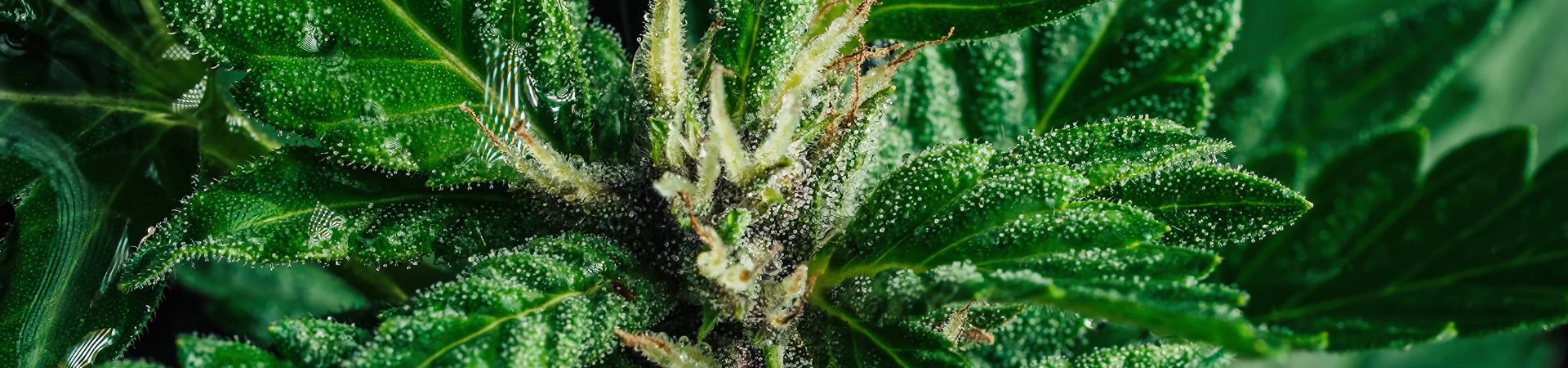
Sugar plays a pivotal role in the development and growth of marijuana plants.Like all plants, cannabis generates sugars through photosynthesis. These sugars not only nourish the plant itself but are also crucial in the development of its structures. Understanding the role of sugar in marijuana plants is key to optimizing cultivation techniques and using the correct marijuana fertilizers. Here, we’ll answer the question is sugar good for plants?
How does sugar act in plants?
Sugar in plants, including marijuana, refers to a series of simple carbohydrates essential for their growth and development. Fundamentally, these sugar molecules result from photosynthesis, where the plant converts sunlight into chemical energy. In marijuana cultivation, sugars are essential for bud production, as they directly contribute to the potency and final quality of the product. Besides, growers can influence the amount of sugar the plants produce and how it’s distributed within the plant, potentially resulting in a more abundant and higher quality harvest.
What sugars are produced by plants?
The sugars produced by plants include:
- Simple sugars known as monosaccharides, which are the basic unit of carbohydrates and are made up of carbon, nitrogen, and hydrogen atoms.
- These small units join to create more complex sugars called disaccharides. Large chains of these molecules form the basis of oligosaccharides and polysaccharides.
Notably, the sugars most prominent in marijuana plants include:
- Glucose, essential for cellular respiration and immediate energy
- Fructose, another simple sugar commonly found in fruits
- Sucrose, composed of glucose and fructose, which is transported through the plant to provide energy and storage. These sugars are not only energy sources but also vital components in the formation of cell walls and other cellular processes. Plants produce and manage these sugars in a delicate balance, which, if well-managed, can result in increased bud production and overall plant health.
What are sugars used for in cannabis plants?
In order to know of sugar is good for plants, its worth to mention that from its importance in photosynthesis to its effect on the quality of the harvest, sugar is a component that growers cannot overlook if they are looking to achieve exceptional results in their cannabis crops. It plays a fundamental role in the development and flowering of cannabis plants, directly influencing bud production.
Sugar in plants is essential for the functions it has, such as the following:
Photosynthesis and sugar production
During photosynthesis, marijuana plants convert carbon dioxide and water into sugars, using light energy. These sugars are crucial as they not only provide the energy needed for growth, but are also essential for the formation of new cells and tissues in the plant. The efficiency of this process can significantly affect the volume and quality of the buds produced by the plant.
Sugars serve as energy reserves
Sugars stored in marijuana plants serve as energy reserves, which are mobilized to support various functions, especially during flowering. Efficient sugar distribution in the plant is vital to maximize the formation of dense, resin-rich buds. Ensuring an adequate supply and good management of these reserves can significantly increase plant productivity.
Impact of sugar on marijuana quality
Is sugar good for plants? Well, sugar plays a crucial role in the quality of marijuana plants because it affects two important factors:
- It affects the potency and concentration of cannabinoids, such as THC and CBD. During the photosynthesis process, the marijuana plant uses sugar to grow and develop these compounds. If it contains the necessary sugars, the formation of these cannabinoids will be enhanced.
- Improves flavors and aromas, the availability of sugars helps to obtain richer and more intense flavor profiles, as they influence the formation of terpenes that are responsible for these characteristics.
Factors affecting sugar production in marijuana
Optimizing sugar content in marijuana plants is a process that can be influenced through careful cultivation practices. Providing sufficient light, water and nutrients are key steps to ensure that the plant has the ability to produce the right amount of sugars needed for optimal growth. Some of these factors are:
Plant genetics
Genetics are critical in determining a marijuana plant’s ability to produce sugars. Certain strains are genetically predisposed to accumulate higher levels of sugars, which is reflected in their growth potential and bud quality. Selecting a suitable strain is a key step in maximizing sugar synthesis.
Environmental conditions
Environmental conditions, such as light intensity, temperature, and CO₂ level, directly impact photosynthesis and, consequently, sugar production. An environment with adequate light and controlled temperature can enhance sugars synthesis, while adverse conditions can limit this vital process for the plant.
Crop nutrition
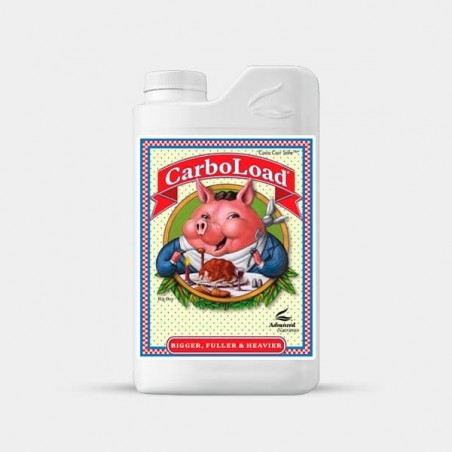
Balanced nutrition is essential for sugar synthesis. Nutrients act as building blocks for the plant, and their adequate availability influences sugar production. In addition, practices such as defoliation and adequate irrigation enhance the production and storage of sugars in the plant. Fertilizers and additives such as Carboload or Bud Candy, among others from Advanced Nutrients, can be used for this purpose.


Distribution of sugars in the plant
In marijuana plants, the distribution of sugars is a crucial process that directly influences growth and bud production. These sugars are transported to different organs of the plant according to the energy demand of each one.
How to know the sugar level
To monitor the sugar level in marijuana plants, methods such as sap analysis or optical density measurement techniques can be used. These tests provide a direct indication of the levels of sugars present and help to understand how they are distributed throughout the plants as they develop. For this purpose, refractometers can be used, which are very useful devices for measuring the level of sugars in cannabis plants.