Personalized attention +34 96 206 62 98
 Free shipping to Iberian Peninsula from 30€
 9/10 Rating
 Discreet shipping


In addition to its rich ancestral tradition, psilocybin has emerged as a promising therapeutic agent in the field of mental health. thanks to its serotonin-modulating capabilities and promotion of neuroplasticity. Microdosing, which consists of taking between 5% and 10% of a recreational dose of magic mushrooms, aims to enhance emotional well-being, creativity, and focus without causing hallucinations, according to studies from the National Institute on Drug Abuse. Trials by Johns Hopkins Medicine and the University of California San Francisco (UCSF) have shown reductions of up to 70% in depressive symptoms after a single psilocybin-assisted therapy session, with effects lasting several months. Research from the Imperial College London also reports a boost in connectivity between brain networks related to mood and self-reflection.
The safety of microdosing is supported by very few reports of adverse effects. Although psilocybin is currently legal for research purposes only in Spain, clinical trials and legislative projects in Europe and the U.S. offer hope for future medicinal approval.
What Is Psilocybin?
Psilocybin is a psychedelic alkaloid found in over 200 species of mushrooms from the Psilocybe, Panaelous, and Gymnopilus genera. It has been traditionally used in healing ceremonies and mystical experiences. After being chemically isolated in 1958, psilocybin was classified as a Schedule I drug in 1971, halting research for decades.
The most widely cultivated and studied species is Psilocybe cubensis, with a psilocybin content ranging from 0.5% to 2% by dry weight. However, this compound is also present in other mushrooms, such as Psilocybe semilanceata and Panaeolus cyanescens, which have a higher and more potent content but are less common in home cultivation.
Looking back, archaeological records show mushroom ingestion patterns in pre-Columbian ceramics dating back over 2,000 years. In the early 2000s, studies by Roland Griffiths at Johns Hopkins Medicine reignited scientific interest, demonstrating the safety and deeply mystical experiences triggered by single doses of psilocybin in healthy volunteers.

What is psilocybin microdosing?
Psilocybin microdosing involves taking between 0.1 and 0.3 g of dried mushrooms (representing about 5% to 10% of a recreational dose) every 2 to 3 days, according to the Fadiman protocol. This practice aims to create subtle shifts in mood and cognition without impairing daily functioning.
Typically, psilocybin microdosing is done using dried magic truffles, fresh mushrooms, or psilocybin capsules. All these options are used for microdosing, and the choice depends on personal preferences, such as taste, dosing precision, or ease of use.
| % of Standard Dose | Dried Mushrooms (g) | |
|---|---|---|
| Microdose | 5 – 10% | 0.1 – 0.3g |
| Low Dose | 10 – 25% | 0.3 – 0.6g |
| Full Dose | 100% | 1 – 2g |
To understand the fundamentals of psilocybin microdosing, we will break down three key aspects: its neurochemical mechanism, the neuronal plasticity it promotes, and the practical dosing protocols.
Neurochemical mechanism: serotonin receptors (5‑HT₂A)
After ingestion, psilocybin is converted into psilocin, a partial agonist of 5‑HT₂A receptors, altering Gq/β-arrestin signaling and modulating neurotransmitter release.
Neuronal plasticity and brain connectivity
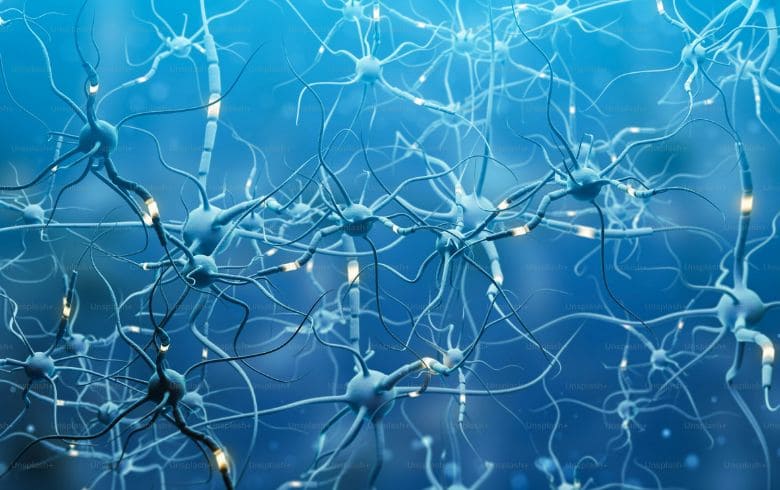
Studies in animals and humans show that psilocybin increases levels of BDNF, a key protein in neuroplasticity, which supports the growth and strengthening of neural connections.
Practical psilocybin microdosing protocols
The most widely used protocol is James Fadiman’s, which involves one day of microdosing followed by two days off to avoid tolerance. Observational studies report improved mood and concentration with no adverse effects.
The concept of “set & setting” highlights the role of mindset and the physical and social environment in shaping the experience. A calm environment, free from stress and interruptions, helps reduce the transient anxiety that may occasionally accompany microdosing. Key set & setting guidelines include:
- Safe space: a tidy room, soft lighting, and a comfortable temperature.
- Mental state: open attitude with a clear intention.
- Trusted company: a “sitter” or friend for supervision, especially for first-timers (optional).
- Gentle activities: walking in nature, meditation, or light creative tasks.
To objectively assess the impact, it is recommended to keep a detailed journal tracking each dose and well-being description. This practice helps identify patterns, fine-tune dosage and frequency, and distinguish real effects from placebo.
[ppgbo products=”8174,7923,8173″ language=”en”]Potential benefits and effects of psilocybin microdosing
Psilocybin microdosing, accessible through psilocybin microdosing kits and products, is emerging as a strategy to enhance emotional and cognitive well-being without inducing strong perceptual changes. Among its main reported benefits in studies and surveys are:
Increased creativity and cognitive flexibility
According to the study ‘Psilocybin’s effects on cognition and creativity: A scoping review’, many users report a notable increase in idea fluency and problem-solving ability after several weeks of microdosing. A Nature study on psilocybin microdosers found significant improvements in cognitive flexibility and reduced “mind-wandering”, leading to more focused and creative thinking.
Improved focus and Productivity
Microdosing is linked to enhanced sustained attention and productivity in tasks requiring prolonged focus. A Harvard Health article notes that many respondents report improvements in concentration, productivity, and empathy after microdosing protocols.
Relief from depressive symptoms
Clinical trials and systematic reviews indicate that psilocybin, even in low doses, can help reduce symptoms of depression. In 2023, a meta-analysis by the U.S. National Center for Complementary and Integrative Health covering five studies with 215 patients reported a significant decrease in depressive symptoms up to five weeks after treatment combined with psychotherapy. Research from Johns Hopkins Medicine documented up to 70% reductions in MADRS scores in the first week and sustained remission in 54% of participants after one month. According to the researchers, the study showed that psilocybin with psychotherapy:
‘Produced large and rapid reductions in depressive symptoms. Most participants showed improvement, and half of them remained in remission through the four-week follow-up.’
Reduced anxiety
Research in cancer patients and individuals with post-traumatic stress disorder (PTSD) has found that psilocybin alleviates existential and generalized anxiety. A UCSF study on Parkinson’s patients with anxiety reported significant improvements in mood and motor function, with minimal side effects.
General well-being and motivation
Surveys conducted in 2023 by Touro College & University among regular microdosing users show a boost in energy, optimism, and overall well-being, along with increased motivation for self-care and healthy habits. In these studies, over 70% of respondents credited microdosing with improvements in mood and social connection.
Minimal physical effects
Unlike full recreational doses, microdoses usually produce very few physical side effects. Mild nausea, occasional headaches, or transient dizziness may occur, but no significant increases in blood pressure or cardiovascular issues have been documented. Moreover, there is no evidence of tolerance, addiction, or withdrawal syndrome, reinforcing its safety profile under controlled use.
Based on studies and surveys, psilocybin microdosing offers a wide range of potential benefits—from cognitive enhancement to relief from depressive and anxiety symptoms—all with a minimally intrusive side effect profile.
Scientific evidence: What does the research say?
The body of literature on psilocybin microdosing is growing rapidly, with multiple clinical trials exploring both full doses and microdoses. The most significant findings from clinical research include:

Johns Hopkins Medicine
In a clinical trial conducted by Johns Hopkins University with patients suffering from major depressive disorder, two psilocybin sessions combined with psychotherapy led to:
- Clinically significant improvement in 71% of participants within one month.
- 50% of volunteers no longer met depression criteria one month after treatment.
These findings confirm that even in limited doses, psilocybin can produce meaningful and lasting mood improvements.
University of California San Francisco
In the first pilot study from the University of California San Francisco on psilocybin use in Parkinson’s patients with depressive symptoms, all participants showed clinically significant improvements in mood, cognition, and motor function by week 1 and after one month, with no adverse effects; these benefits lasted for 3 months.
This groundbreaking study suggests therapeutic potential in neurodegenerative disorders, linking psilocybin to mechanisms of neuroplasticity and reduced brain inflammation.
Imperial College London
Researchers from Imperial College London observed brain changes after two psilocybin doses (10 mg + 25 mg), noting a global increase in connectivity within high-functioning brain networks and reduced network modularity, indicating greater functional flexibility compared to the control group on conventional antidepressants.
Data from this Imperial College London study suggest that psilocybin “opens” the brain, facilitating new neural pathways that underlie its antidepressant effects.
These studies illustrate that psilocybin, whether in therapeutic doses or microdoses, may provide substantial benefits for persistent depression, neurodegenerative conditions, and controlled personal use.
Safety and risks of psilocybin microdosing
Overall, psilocybin microdosing has a very favorable safety profile. It has rare and short-lived adverse effects, making it an attractive option to improve mental wellness with minimal physical impact.
Some of the most common side effects may include:
- Mild and temporary symptoms: Occasional nausea, brief headaches, or passing anxiety that usually resolves within hours.
- Safe outside of high-risk groups: Microdoses avoid the intense psychedelic effects of full doses and reduce the likelihood of “bad trips.”
- Clinical contraindications: Not recommended for individuals with a history of psychosis or bipolar disorder.
Microdoses of psilocybin pose no risk of addiction or withdrawal symptoms due to the low dosage and spaced-out frequency of use.
Legality and outlook for medicinal use
The regulation of psilocybin microdosing is moving toward a more therapeutic approach.
At the request of the 1961 UN Single Convention on Narcotic Drugs, Spain passed Law 17/1967, placing psilocybin on the Schedule I list of prohibited substances, allowing limited research flexibility.
In contrast, pioneering countries like Portugal, Switzerland, the UK, the U.S., and Canada have decriminalized psilocybin or are reviewing its reclassification for medical purposes.

The future of psilocybin therapy
The next steps aim to confirm its clinical application in trials due to improved pharmacokinetics, and its integration into healthcare systems. For instance, the U.S. Department of Veterans Affairs is funding assisted therapy studies for PTSD in veterans, while oncology projects explore its effects on existential anxiety.
Psilocybin, as part of the broader psychedelic category, is generating renewed interest in mental health treatment. As noted by Dr. Peter Grinspoon in Harvard Health Publishing:
‘Psychedelic drugs are capturing the attention of both doctors and patients, thanks to growing evidence of their potential to bring lasting improvements in people with treatment-resistant mental health conditions.’
Dr. Peter Grinspoon
What’s missing for microdosed psilocybin to gain medical approval?
Although early evidence is promising, key challenges remain. First, rigorous and standardized clinical trials are needed to validate long-term efficacy and safety, especially with microdoses, as many current studies are observational or involve small samples. Second, its Schedule I classification restricts access to research materials and funding, although some countries are already regulating therapeutic use under supervision.
Additionally, it’s crucial to establish universal protocols for dosing and therapeutic support to avoid variability in psilocybin concentrations across mushroom strains. The FDA (U.S. Food & Drug Administration) has issued preliminary guidelines for psychedelic clinical trials, but there is still no consensus on success metrics or controlled study design.
Lastly, medical and regulatory education is needed to incorporate these therapies into healthcare systems, along with public-private funding to expand research and reduce costs—currently too high for many patients. Reclassification, spurred by developments like the review of MDMA for PTSD therapy, could speed up the process.