Personalized attention +34 96 206 62 98
 Free shipping to Iberian Peninsula from 30€
 9/10 Rating
 Discreet shipping


Psychedelic microdosing is an emerging practice that involves taking extremely small—or “sub-perceptual”—amounts of psychedelic substances such as psilocybin (found in magic mushrooms) or LSD (lysergic acid diethylamide), with the goal of enhancing mental well-being, creativity, and cognitive performance without triggering the classic hallucinogenic effects of a full dose. While most evidence remains anecdotal or from early-stage research, scientific interest is rapidly growing.
What is microdosing?
Microdosing refers to the regular administration of very small, sub-perceptual doses of psychedelic substances. These doses are low enough to avoid hallucinations or significant perceptual changes, yet aim to provide subtle benefits to mood, cognition, and creativity.
The modern concept of microdosing was popularized in the 2010s by psychologist Dr. James Fadiman. He compiled user experiences from people who adopted microdosing for therapeutic, creative, and self-enhancement purposes, and proposed a protocol to help guide frequency and dosage to avoid tolerance and optimize results.
Although using low doses of psychedelics isn’t a new concept—it traces back to indigenous cultures—today’s scientific approach and systematic study have brought unprecedented visibility to microdosing. It has since gained traction in diverse communities, from scientific and medical fields to tech professionals and biohackers seeking cognitive optimization.
Psilocybin: The active compound in magic mushrooms
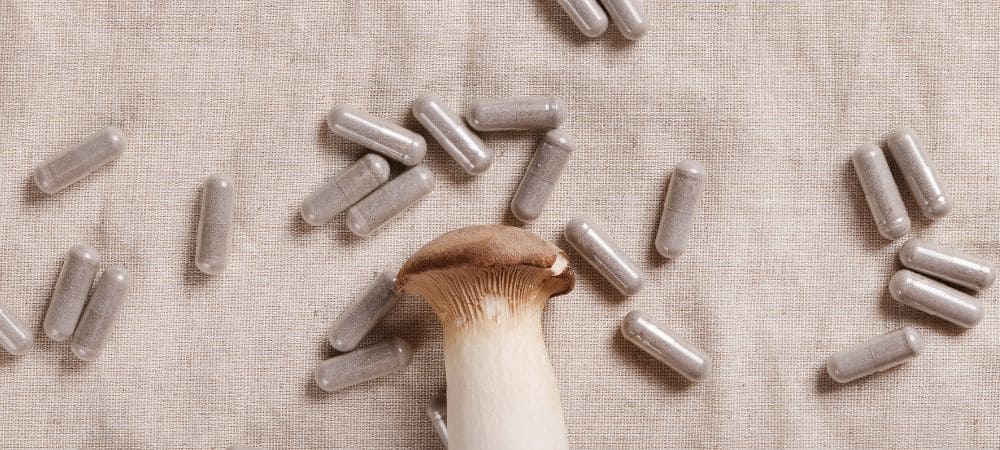
Psilocybin is a psychedelic compound found in over 200 mushroom species, commonly known as magic mushrooms. When taken as a microdose, psilocybin converts into psilocin in the body, which interacts with serotonin receptors in the brain, affecting perception, mood, and cognition.
Effects of psilocybin microdosing
People who microdose psilocybin often report subtle yet consistent benefits, particularly improvements in mood, creativity, mental clarity, and emotional connection. Unlike recreational doses, microdoses don’t cause hallucinations or major sensory distortions, allowing users to go about their daily routines while enjoying enhanced cognitive and emotional states.
Commonly reported effects include:
- Increased creativity and flow of ideas
- Improved focus and sustained attention
- Emotional lightness and reduced rumination
- Stronger empathy and interpersonal connection
- Reduced social anxiety and perceived stress
- Overall sense of well-being and vitality
In clinical contexts, early studies and reviews have begun exploring the potential of psilocybin microdoses as a complementary tool for treating mood disorders such as treatment-resistant depression and anxiety, especially among patients with chronic illnesses or in palliative care.
Key scientific studies
Recent research suggests that psilocybin may offer promising therapeutic benefits in the treatment of various mental health conditions, including treatment-resistant depression, anxiety, OCD, and PTSD. Notable studies include:
- Johns Hopkins University’s Center for Psychedelic and Consciousness Research published a study in JAMA Psychiatry (2020) showing significant reductions in depressive symptoms after two psilocybin-assisted sessions for patients with major depression.
- The Centre for Psychedelic Research at Imperial College London published a 2021 study in The New England Journal of Medicine comparing psilocybin to a traditional antidepressant (escitalopram).
Check out our article on Psilocybin Microdosing: Benefits, Science, and Mental Health Potential for a deeper look at how microdoses can influence mood, creativity, and productivity from a science-based and responsible approach.
LSD: Lysergic Acid Diethylamide
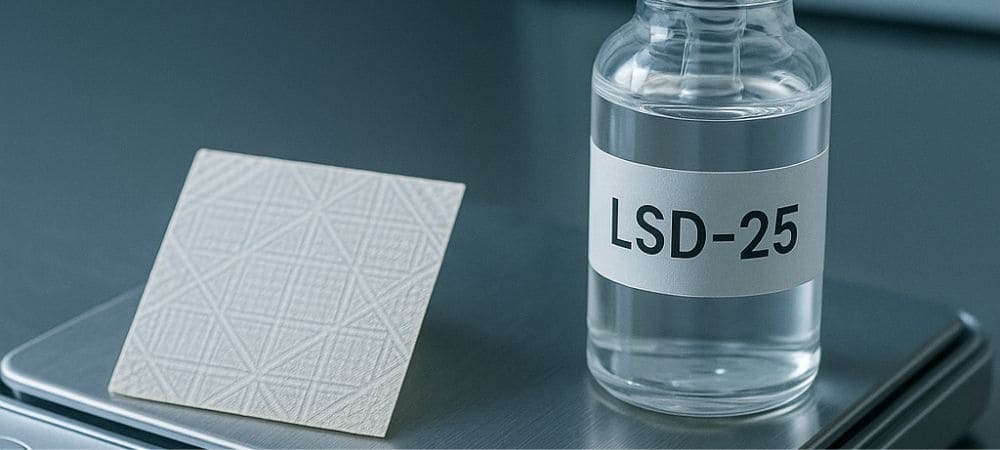
LSD (lysergic acid diethylamide) is a semi-synthetic psychedelic substance from the ergoline family. It was first synthesized in 1938 by Swiss chemist Albert Hofmann, who was researching ergot alkaloids from the fungus Claviceps purpurea at Sandoz Laboratories (Basel, Switzerland). Hofmann discovered its psychoactive properties in 1943 after accidentally absorbing a small amount through his skin.
Chemically, LSD is derived from lysergic acid found in ergot fungus, which is converted through amidation into its active form: LSD-25. This compound is extremely potent, with psychoactive effects appearing at doses as low as 10 to 20 micrograms.
Effects of LSD microdosing
When taken in microdoses, LSD does not cause hallucinations or intense perceptual changes. Effects may vary depending on the individual and environment, but many users report a number of positive outcomes:
- Improved mood: reduction of mild symptoms of anxiety or depression, general sense of well-being.
- Enhanced focus and mental clarity: better concentration during intellectual or creative tasks.
- Increased creativity and divergent thinking: generation of new ideas, especially useful in artistic or problem-solving contexts.
- Mild nervous system stimulation: subtle energy and a sense of body fluidity.
- Stronger emotional and social connection: some users report better empathy and improved interpersonal relationships.
Scientific evidence and ongoing studies
Some of the most relevant studies on the benefits of LSD microdosing include:
- Research by the Beckley Foundation and Maastricht University, published in European Neuropsychopharmacology (2020).
- A study published in Biological Psychiatry (2022), led by the Beckley/MIT Microdosing Research Program.
However, researchers agree that more long-term clinical trials with larger and more diverse samples are still needed to firmly establish the potential benefits and limitations of LSD microdosing.
Typical dosage and common microdosing protocols
Microdosing protocols vary by substance, but generally involve taking between 5% and 15% of a recreational or full dose.
The typical microdose of psilocybin ranges between 0.1 and 0.3 grams of dried mushrooms. This amount is enough to stimulate subtle effects without causing hallucinations or significant perceptual changes.
On the other hand, LSD microdoses usually range between 5 and 20 micrograms, with 10 micrograms being a popular standard dose among users.
One of the most important aspects of microdosing is following a structured microdosing protocol. Without a clear protocol, it’s difficult to maintain a consistent and conscious microdosing routine.
[ppgbo products=”8173,7923,8174″ language=”en”]Comparison between psilocybin and LSD for microdosing
For those considering starting with microdosing, comparing the characteristics of LSD and psilocybin can help in making an informed choice. Below is a comparative table outlining their key differences and similarities.
| Criteria | Psilocybin (Magic Mushrooms) | LSD (Lysergic Acid Diethylamide) |
|---|---|---|
| Source | Natural (mushrooms from the Psilocybe genus) | Semi-synthetic (derived from ergot fungus) |
| Typical microdose | 0.1 – 0.3 g dried mushrooms (or approx. 5–10 mg pure psilocybin) | 5 – 20 micrograms |
| Effect duration | 4 – 6 hours | 8 – 12 hours |
| Onset time | 30 – 60 minutes | 30 – 45 minutes |
| Main reported effects | Emotional clarity, well-being, introspection | Energy, mental focus, creativity |
| Tolerance risk | Moderate (2–3 days off between doses recommended) | High if used frequently (minimum 3 days rest advised) |
| Legal status | Illegal in most countries (decriminalized in some areas) | Illegal in most jurisdictions |
| Safety profile | Generally well tolerated in microdoses | Well tolerated, but more stimulating |
Choosing based on personal goals
The decision between psilocybin and LSD microdosing largely depends on the user’s personal goals and life circumstances.
Those seeking a more introspective, emotional, or self-growth-oriented experience often lean toward psilocybin for its ability to promote inner connection, emotional release, and self-awareness.
On the other hand, people who prioritize enhanced mental clarity, focus, and sustained cognitive performance often choose LSD microdosing. Due to its stimulating nature and longer duration, it may appeal to professionals, students, or creatives aiming to boost productivity and problem-solving.
It’s important to remember that there is no universally “better” substance; the choice should align with individual goals, sensitivity, and microdosing context.
Legal and ethical considerations
The legality of LSD and psilocybin varies by country and region. In Spain, for example, both substances are classified as illegal for recreational use, although scientific research into their therapeutic potential is actively underway.