Personalized attention +34 96 206 62 98
 Free shipping to Iberian Peninsula from 30€
 9/10 Rating
 Discreet shipping


The photoperiod is one of the most important concepts for anyone growing cannabis, whether indoors or outdoors. Understanding how light and dark hours work allows you to know when the plant is in a growth phase, when it starts to flower, and how to adjust its development easily. In this guide, you’ll learn what the photoperiod is, how to apply it correctly, and which light cycles work best depending on the plant type and your experience level, even if you are a beginner.
What the photoperiod is and why It affects cannabis
The photoperiod is the ratio between the hours of light and darkness the plant receives each day. Cannabis doesn’t just “see” how much light it gets; it also measures how long the night lasts: when darkness increases, it interprets that it’s time to start flowering.
The sunlight exposure time determines leaf growth and orientation. Additionally, it influences other important processes such as germination and flowering. This photoperiod concept, which we normally associate with plants, also affects animals to some extent, influencing reproduction and breeding cycles.
If you grow outdoors, the photoperiod is set by nature; if you grow indoors, you control the photoperiod yourself using a timer.
Photoperiod by time of year
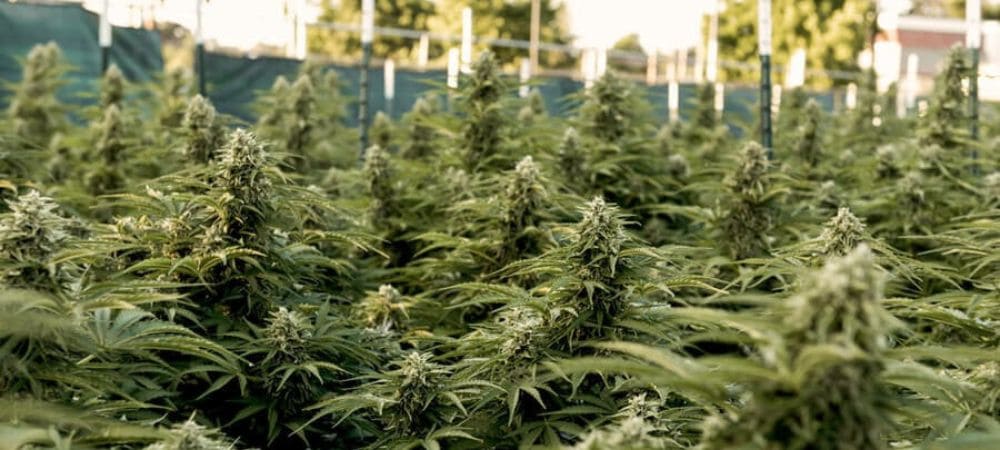
Outdoors, daylight hours change each month and determine the plant’s phase. When days are long (spring and early summer), the plant grows; when days start to shorten (late summer), the plant naturally begins flowering. This explains why, for example, in Spain plants typically start flowering between August and September without any intervention.
| Approximate Natural Photoperiod (Spain) | |||
|---|---|---|---|
| Month | Hours of Light | Typical Phase | Recommendation |
| May | 14–15 h | Growth | Transplants and training |
| June | 15 h | Maximum growth | Peak development |
| August | 13 h | Start of flowering | Monitor stretch |
| October | <12 h | Advanced flowering | Control humidity |
Indoor photoperiod: The easiest approach for beginners
Growing indoors offers a huge advantage: you decide how many hours of light the plant receives. This allows you to control its size, pace, and flowering time.
Most common cycles
- 18/6 (18 h light / 6 h dark): standard for vegetative growth.
- 20/4: faster growth, but higher electricity consumption.
- 12/12: cycle that triggers flowering in photoperiod-dependent plants.
Recommended photoperiod by growth stage
| Photoperiod by Stage and Objective | ||
|---|---|---|
| Stage | Photoperiod | Goal |
| Vegetative growth | 18/6 | Develop branches and structure |
| Intense growth | 20/4 | Increase vigor (higher consumption) |
| Flowering | 12/12 | Activate buds and resin production |
Think of these photoperiod cycles as “instructions” you give to the plant, almost like switching an electronic device between growth mode and flowering mode.
Common mistakes
When a plant receives the correct photoperiod, it grows without issues. When it doesn’t, it can become stressed, flower late, or even show signs of hermaphroditism. The most common mistakes are:
- Light leaks during 12/12: Plants think it’s “daytime” and get confused. Cover gaps, screens, or LEDs in the grow tent.
- Switching to 12/12 too early: The plant hasn’t developed enough structure and will produce small buds.
- Interrupting the night “for just a minute”: During flowering, every minute of unwanted light counts. Darkness must be complete.
[ppgbo products=”8270,5848,8150″ language=”en”]
Photoperiod according to plant type
Not all plants react the same way to the photoperiod. Knowing the plant’s genetics helps you apply the correct light cycle.
Photoperiod-dependent plants (Feminized)
These plants rely on the photoperiod. They need a change in light cycles to flower. They grow under 18/6 and only flower when switched to 12/12. This allows precise control over height, structure, and cultivation duration.
Autoflowering plants
They do not depend on the photoperiod. Perfect for beginners because they are fast and easy to grow. They flower based on age but achieve the best results with 18/6 or 20/4 throughout the cycle.
| Photoperiod Comparison by Genetics | |||
|---|---|---|---|
| Genetics | Photoperiod-Dependent? | Recommended Photoperiod | Ideal For… |
| Photoperiod-Dependent | Yes | 18/6 → 12/12 | Full control over cultivation |
| Autoflowering | No | 18/6 or 20/4 | Fast and easy cultivation |
| Mother Plants | Yes | Constant 18/6 | Take cuttings year-round |
Step-by-step guide to adjusting the photoperiod
- Step 1: Set Up a Timer: Your best ally. A digital timer is more precise, but an analog timer works if you are starting out. Basic tip: once set, don’t change the hours daily. Consistency is key.
- Step 2: Maintain Total Darkness During 12/12: During flowering, plants need uninterrupted nights. Avoid screens, light leaks, or opening the grow tent during the dark phase. This is a main cause of stress for beginners.
- Step 3: When to Switch to 12/12: An easy guideline: switch to 12/12 when the plant has a strong structure. In most small grow tents, this is around 10–16 inches (25–40 cm).
Photoperiod, yield, and energy savings
Properly adjusting the photoperiod not only improves plant health but also maximizes yield and reduces electricity consumption, especially for indoor growers using LED lighting.
| Choose a Photoperiod Based on Your Goal | |||
|---|---|---|---|
| Goal | Photoperiod | Advantage | Recommended For |
| Energy Saving | 18/6 | Low energy consumption | Beginners |
| Maximum Growth | 20/4 | Vigorous plants | Advanced growers |
| Height Control | 12/12 from seed | Compact plants | Small spaces |
| Easy Cultivation | 18/6 → 12/12 | Reliable results | All skill levels |
- Maintaining a stable photoperiod produces denser and more resinous flowers.
- More light hours don’t always mean higher yields; there is a point where extra energy doesn’t pay off.
- 18/6 is the best balance between yield and efficiency for most growers.