Personalized attention +34 96 206 62 98
 Free shipping to Iberian Peninsula from 30€
 9/10 Rating
 Discreet shipping


Cannabis is a fascinating plant, and growing it involves much more than just watering and waiting. One of the most critical factors in achieving a high-quality harvest is understanding the role of mature trichomes. These tiny resin glands are not only responsible for producing cannabinoids and terpenes, but they also serve as a biological clock that signals the ideal time to harvest. In this guide, we’ll break down everything you need to know about mature trichomes and how to recognize when your cannabis is ready.
What are trichomes and why are they important?
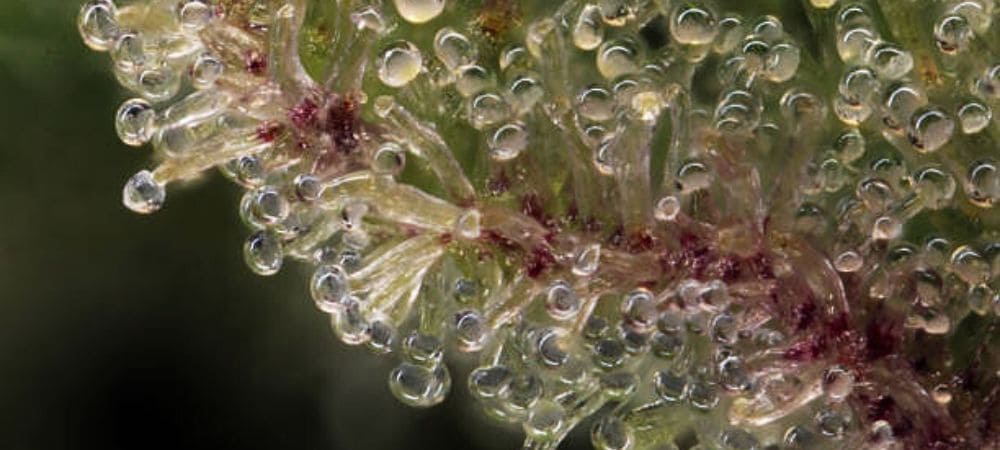
Trichomes are microscopic glands that cover the flowers, leaves, and, to a lesser extent, the stems of the cannabis plant. These structures produce and store a sticky resin that contains the chemical compounds responsible for the plant’s aroma, flavor, and effects. Naturally, their role is to protect the plant from pests and harsh environmental conditions. There are three main types of trichomes:
- Bulbous trichomes: The smallest type, measuring only 10–15 microns in diameter, and nearly invisible without a microscope.
- Capitate sessile trichomes: Slightly larger and spread across the plant’s surface.
- Capitate-stalked trichomes: The most abundant and resin-rich trichomes—these are the ones to monitor when determining the perfect harvest window.
These resin glands are responsible for producing key cannabinoids like THC and CBD, as well as the terpenes that give each strain its unique flavor and scent profile. Without trichomes, cannabis wouldn’t have its psychoactive or medicinal properties. That’s why understanding how they develop and identifying mature trichomes is essential for any grower aiming to maximize crop quality.
The life cycle of cannabis trichomes
Trichomes go through a full life cycle—from formation to full maturity—and their appearance changes as they develop. These color changes are a crucial indicator of both the potency and type of high your cannabis will deliver:
- Clear trichomes: These signal that the plant is still developing, and cannabinoid levels have not yet peaked.
- Milky or cloudy trichomes: At this stage, THC is at its highest level, producing a more uplifting, cerebral effect.
- Amber trichomes: As THC begins to degrade into CBN, the resulting effect becomes more calming and sedative.
For the best results, most growers aim to harvest when there’s a mix of milky and a few amber mature trichomes, depending on the desired effect.

How to identify mature trichomes: a grower’s guide
Trichomes are tiny structures. On average, cannabis trichomes measure between 50 and 100 micrometers (µm) in height. To put that in perspective, one micrometer is one-thousandth of a millimeter—roughly the thickness of a human hair or a sheet of paper. Because of their size, identifying mature trichomes requires specialized tools. Here are the most common options:
- Jeweler’s loupes (30–60x): Affordable and portable, but they require steady hands and good lighting.
- Pocket microscopes (60–120x): Mini microscopes offer better magnification and more detail.
- Digital microscopes: These can be connected to your phone or PC, allowing you to capture images and videos for detailed analysis.
- Macro lens cameras: Some growers use digital cameras with macro functionality to observe trichomes clearly on a larger screen.
[ppgbo products=”852,252,853″ language=”en”]
Can you identify trichome maturity with the naked eye?
Technically, yes—but it’s not recommended. While experienced growers with trained eyes may be able to spot some changes in bud appearance that hint at maturity, mature trichomes are extremely small and easy to misjudge without magnification. Tools are essential for accuracy, especially if you’re aiming for a specific cannabinoid and terpene profile.

When is the best time to harvest cannabis?
The ideal time to harvest is when most trichomes appear cloudy or milky, and a few are starting to turn amber. This indicates that cannabinoids and terpenes have reached their peak potency. Harvesting too early, when trichomes are still clear, will result in a weaker, less psychoactive product. Waiting too long, when most trichomes are amber, can produce a more sedative, couch-lock effect.
Trichome maturity stages and their effects
The timing of your harvest has a major impact on the type of high or therapeutic benefits you’ll experience. Since mature trichomes change color and chemical composition as they develop, choosing the right stage to harvest lets you tailor the final product to your desired effects.
Clear trichomes
At this stage, trichomes are translucent and glassy—like tiny drops of water. THC levels are still low, while precursor cannabinoids like THCA are more prominent. The psychoactive effects are minimal, making this stage the least ideal for harvesting. Most growers avoid cutting buds at this point.
Cloudy or milky trichomes
Fully mature trichomes become cloudy or opaque. This marks the peak of THC production. Other cannabinoids like CBDA and CBGA begin to degrade, leading to a more potent and balanced effect. This is the most popular harvest time for both recreational and medicinal users because it offers a strong yet clear-headed high.
Amber trichomes
When trichomes turn amber or brown, THC starts breaking down into CBN (cannabinol), which has sedative properties. These trichomes produce a calming, body-heavy effect, ideal for evening or nighttime use. This stage is perfect for users seeking relaxation, pain relief, or sleep support.

What Is a staggered or mixed harvest in cannabis cultivation?
One of the biggest advantages of growing your own cannabis is the ability to harvest at different times, allowing you to collect mature trichomes at various stages of development. This technique, known as staggered harvesting or a mixed harvest, is ideal for customizing the effects of your final product.
- Early harvest (Cloudy trichomes) Harvesting when most trichomes are cloudy results in a more energetic and cerebral high. This is perfect for creative work, social activities, or combating fatigue.
- Late harvest (Amber trichomes): Waiting until the majority of trichomes have turned amber gives a more relaxing and sedative effect. It’s great for nighttime use, stress relief, and aiding sleep.
- Mixed harvest: With a mixed harvest, you can cut different parts of the plant at different times. For example, the top colas—which usually mature faster—can be harvested when trichomes are cloudy, while the lower branches can be left to develop more amber trichomes. This approach allows you to enjoy both energetic and calming effects from a single plant.
How to do a staggered harvest
Successful staggered harvesting requires close observation of mature trichomes. Trichomes typically shift from clear to cloudy within 1–3 weeks, depending on genetics and growing conditions. They then transition from cloudy to amber in about another week—though in some strains, this can take up to two. Keep a journal to track trichome development and harvest times accurately. Be sure to dry and cure each batch separately to preserve their unique properties.
Factors that influence trichome maturation
The maturation of trichomes is a complex biological process influenced by many factors. Not all cannabis strains mature at the same pace, so understanding what affects mature trichomes helps you fine-tune your grow and maximize quality.
Environmental conditions
- Temperature: Ideal temperatures range from 68°F to 79°F (20°C to 26°C). High heat can degrade trichomes; cold can slow their development.
- Humidity: Keep relative humidity between 40%–50% during flowering to prevent mold and stress-related issues.
- Lighting: A 12/12 light cycle is crucial during flowering. Too much light can burn trichomes; too little can delay their development.
- Airflow: Good ventilation reduces mold risk and stabilizes the environment. However, overly strong airflow may physically damage trichomes near fans or exhaust systems.
[ppgbo products=”2758,7942,5730″ language=”en”]
Nutrients and feeding
Proper nutrition is essential for healthy trichome development.
- Nitrogen (N): Reduce nitrogen in the flowering phase. Too much leads to excess foliage and delays trichome maturation.
- Phosphorus (P) and Potassium (K): These are critical during flowering—phosphorus boosts bud development while potassium supports overall plant health and resin production.
- Micronutrients: Elements like calcium, magnesium, and zinc also contribute to healthy, mature trichomes.
You can also use bloom boosters such as Brutal Buds or Big Boom, which are rich in phosphorus and potassium to support heavy, resin-packed buds.
[ppgbo products=”2391,2757,5724″ language=”en”]
Genetics
Genetics play a major role in how and when trichomes mature.
- Indica strains generally have shorter flowering cycles (7–9 weeks), so their trichomes mature faster.
- Sativa strains take longer (10–12 weeks or more), requiring more time to reach full maturity.
- Hybrids vary widely, depending on their genetic makeup. Knowing your strain helps you set realistic harvest timelines.
Controlled stress techniques
Certain types of controlled stress can help speed up trichome development—but must be applied carefully.
- Light stress: Reducing light hours during the last flowering weeks can signal the plant to finish faster. Do it gradually to avoid shock.
- Water stress: Slightly reducing watering can mimic drought conditions, which may trigger faster maturation. Be cautious not to dehydrate the plant.
- Temperature stress: Slightly cooler nighttime temperatures can boost resin production. However, avoid extremes that could harm the plant.
While it is possible to speed up the ripening of mature trichomes through stress or nutrient manipulation, doing so recklessly can reduce bud quality. The best approach is to follow a well-structured grow plan and allow your cannabis to develop naturally for optimal potency, aroma, and flavor.
| Factors Affecting Trichomes | Impact on Maturation | Tips to Optimize |
|---|---|---|
| Genetics | Some strains (Sativas) take longer to develop mature trichomes, while others (Indicas) are faster. | Choose strains based on your desired harvest timeline. |
| Lighting | Intense light, especially UVB, boosts trichome production and speeds up maturation. | Use full-spectrum lights and consider adding UVB during the flowering stage. |
| Temperature | High temperatures can degrade trichomes and slow their development. | Keep temps between 68–79°F (20–26°C) during flowering. |
| Humidity | Excess humidity can damage resin and encourage mold growth. | Maintain relative humidity at 40–50% during flowering. |
| Nutrients | Too much nitrogen can delay the appearance of mature trichomes. | Reduce nitrogen levels during the final flowering stage. |
| Stress Techniques | Water or cold stress near harvest can accelerate trichome maturation. | Lower watering and reduce nighttime temperatures during the last week. |
| Harvest & Post-Harvest | Trichomes continue to mature during drying and curing, converting cannabinoids. | Dry and cure carefully to enhance flavor and effects from mature trichomes. |
Trichomes continue to mature after harvest
A little-known fact among growers is that trichomes can continue to mature even after the plant has been harvested. This occurs mainly during the drying and curing process. As buds lose moisture during drying, the concentration of cannabinoids and terpenes can increase, making it seem like the trichomes have matured further. That’s why it’s important to carefully monitor buds during these stages to ensure you don’t overshoot the optimal window for mature trichomes.
Mature trichomes for cannabis extractions
If you’re planning to produce cannabis concentrates like hash or oils, harvesting at the right stage of trichome maturity is essential. Mature trichomes are more stable and less likely to degrade during extraction, ensuring high-quality results with fewer impurities and a purer cannabinoid and terpene profile. Knowing how to identify mature trichomes will give you the best chance of creating premium-quality extracts.
Strain types and their trichome maturation patterns
Cannabis has vast genetic diversity, and each strain matures differently when it comes to trichomes.
- Indicas, known for their compact growth and short flowering cycles (7-9 weeks), have faster maturing trichomes. They generally go from clear to cloudy in 5-6 weeks and usually turn amber towards the end of flowering, producing relaxing and sedative effects. Examples are the Northern Lights and Blueberry strains.
- Sativas, on the other hand, have longer flowering cycles (10-12 weeks or more). Their trichomes take longer to mature and remain clear for the first 6-8 weeks before turning cloudy. This results in more energetic and cerebral effects, especially if harvested before many trichomes turn amber. Strains like Durban Poison and Amnesia Haze are classic examples.
- Hybrids combine characteristics of both. Indica-dominant hybrids mature in 8-9 weeks and tend to be more relaxing, while sativa-dominant hybrids take 10-11 weeks and offer more balanced or energetic effects. Examples of these are Blue Dream and OG Kush.
[ppgbo products=”2137,803,3388″ language=”en”]
Drying and curing: protecting your mature trichomes
Even after harvest, mature trichomes remain delicate and must be preserved with care. Drying and curing are critical steps to maintain potency, flavor, and aroma.
Drying
Drying is the first step after harvest. To preserve the trichomes, it’s crucial to maintain a temperature between 64–70°F (18–21°C) and a relative humidity of 45–55%. Additionally, the environment should be dark, as light—especially UV—can degrade cannabinoids and terpenes.
The process usually lasts between 7 and 14 days, depending on the conditions. During this time, buds should be hung upside down or placed on drying racks to allow for even air circulation. Avoid excessive handling to prevent trichome damage.
Curing
Once dried, the buds move on to curing, where they are placed in airtight glass jars. The ideal conditions are a temperature of 68–72°F (20–22°C) and a humidity level of 58–62%. Generally, the recommended minimum curing time is 2–4 weeks, though many growers prefer to cure for 2–6 months for optimal results.
During the first few days, it’s important to open the jars daily to release built-up moisture—a process known as “burping.” This helps stabilize terpenes and cannabinoids, enhancing the cannabis’s flavor, aroma, and effects.
Practical tips
To maximize quality, use airtight glass jars and monitor humidity with hygrometers. Also, store buds in a cool, dark place, and handle them carefully to avoid damaging the trichomes. If you’re planning to store cannabis for several months, consider using humidity-controlled bags or containers.
This table organizes all the key data for quick reference:
| Stage | Ideal Conditions | Time | Key Tips | Impact on Trichomes |
|---|---|---|---|---|
| Drying |
• Temperature: 64–70°F (18–21°C) • Humidity: 45–55% • Darkness: Complete |
7–14 days |
• Hang branches upside down or use drying racks • Avoid excessive handling of buds |
• Preserves trichome integrity • Prevents cannabinoid evaporation |
| Curing |
• Temperature: 68–72°F (20–22°C) • Humidity: 58–62% • Darkness: Complete |
2–4 weeks (minimum) 2–6 months (optimal) |
• Use airtight glass jars • “Burp” daily during the first days • Monitor humidity with hygrometers |
• Enhances flavor and aroma • Stabilizes terpenes • Helps prevent THC degradation |
| Benefits |
• Maintains cannabinoid potency • Preserves terpene profile |
– |
• Store in humidity-controlled jars or bags • Handle with care to avoid damaging trichomes |
• Prevents premature degradation • Improves overall quality |
So, in the end, it’s pretty simple: If you want to get the most out of your cannabis harvest, you need to pay close attention to the mature trichomes. They’re like the plant’s traffic light—telling you exactly when it’s time to cut.
If the trichomes are clear, they’re not ready yet. If they’re cloudy or milky, you’ve hit the sweet spot. And if they’re turning amber, you’d better act fast—otherwise, potency may start to fade.
If you’re into cannabis cultivation and want more tips and tricks, be sure to check out our upcoming blog posts. There’s plenty more to learn if you’re aiming for top-shelf results.