Personalized attention +34 96 206 62 98
 Free shipping to Iberian Peninsula from 30€
 9/10 Rating
 Discreet shipping


Many gardeners are looking for eco-friendly and budget-conscious solutions to improve their plant growth. Learning how to make homemade fertilizer for your plants is an excellent way to boost plant health and development without relying on chemical products. Here’s everything you need to know to make effective DIY fertilizers at home.
Why use homemade fertilizer for plants?
Homemade fertilizers are more natural, affordable, and sustainable. They can be tailored to your plants’ specific needs while avoiding harmful chemicals. Here are some top benefits of using DIY plant food:
- Eco-friendly: No synthetic chemicals, safer for the environment.
- Cost-effective: Utilizes household waste and natural resources, reducing expenses.
- Customizable: You can adapt ingredients based on your plant’s requirements.
- Improves soil structure: Enhances moisture retention and soil aeration.
- Boosts biodiversity: Encourages beneficial microbial activity.
- Supports healthy growth: Natural nutrients strengthen pest and disease resistance.
- Reduces waste: Recycles organic scraps that would otherwise be discarded.
- Sustainable: Promotes responsible gardening with fewer commercial products.
Homemade vs. Chemical Fertilizers
| Feature | Homemade Fertilizer | Chemical Fertilizers |
| Source | Organic materials (fruit peels, leaves, etc.) | Synthetic, industrially produced |
| Nutrient Release | Slow and steady | Fast and potent |
| Soil Impact | Enhances structure and microbial life | Feeds plant but not soil |
| Nutrient Level | Lower but balanced | High concentration, targeted |
| Environmental Impact | Eco-friendly | May harm ecosystems |
| Lasting Effect | Long-term | Short-lived, needs frequent use |
| Cost | Low-cost, DIY | Often expensive |
| Ease of Use | May need prep time | Quick and easy |
| Plant Quality | Stronger, healthier growth | Fast growth, less resilience |
| Dependency | Reduces reliance on chemicals | Can cause dependency |
Homemade fertilizers for every stage of growth
Depending on your plant’s growth stage, you can create different types of homemade fertilizers tailored to its needs:
Rooting stage fertilizers
To promote root development, besides using commercial root stimulators, try these natural homemade root fertilizers:
Compost tea

Compost tea is an excellent source of nutrients that promote root health. Simply mix ripe compost with water and let it steep for 24 hours. Once it has been obtained, it is filtered before being used as a fertilizer.
Honey and water
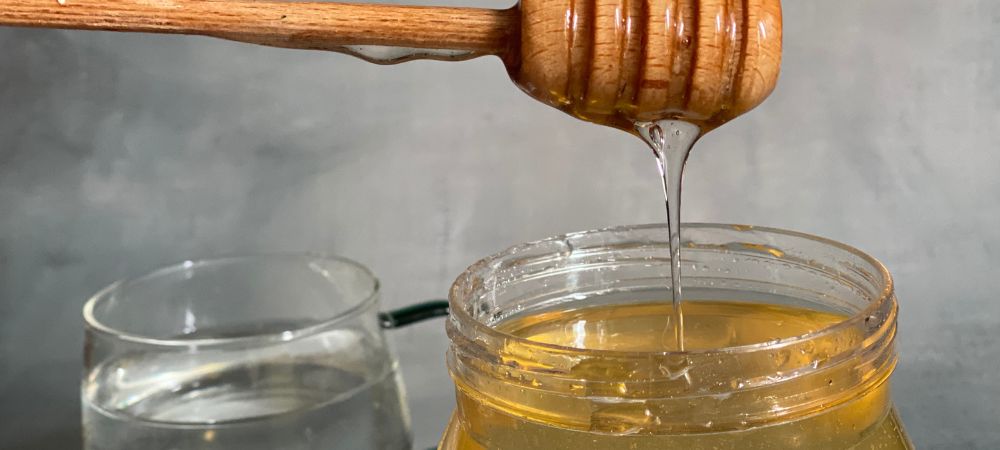
Honey has antibacterial and antifungal properties that can help prevent root infections during the rooting process. To use it, just add a teaspoon of honey with a liter of water and use this mixture to water the plants.
Rice water
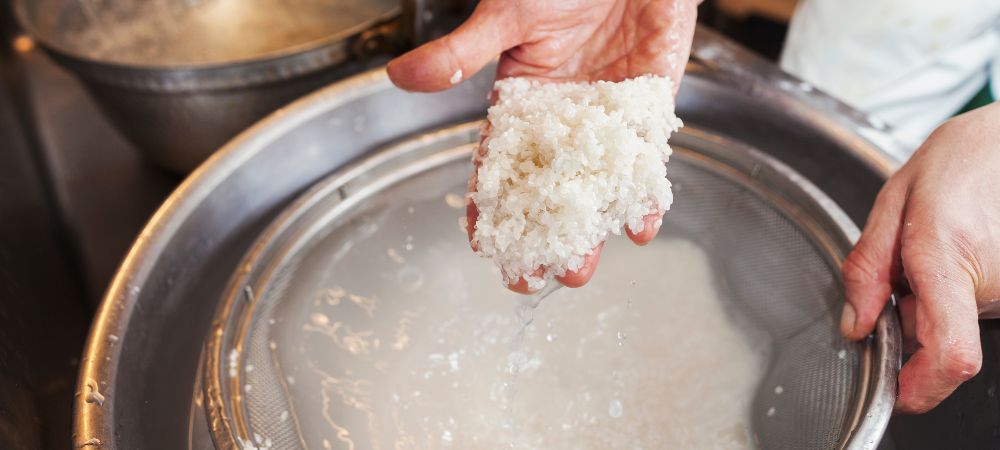
Water from rinsing rice contains starch and nutrients that stimulate root growth. Use it to water or soak plant cuttings.
Vegetative growth fertilizers
For the growth stage, it will be necessary to have homemade fertilizers rich in nitrogen, an element vital in the development of plants. There are multiple growth fertilizers available today, although any of the following can be prepared simply:
Crushed eggshells
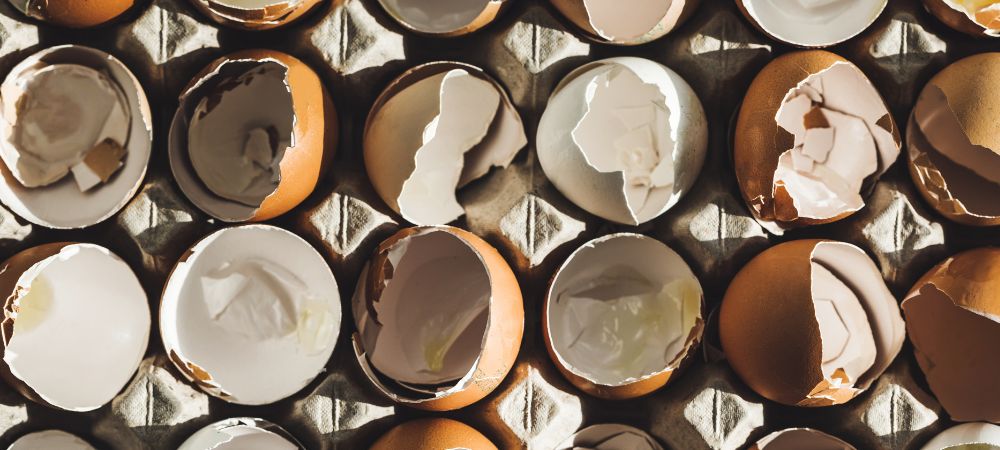
Eggshells are an excellent source of calcium, which is essential for plant cell development. Simply crush the shells and add them to soil or compost to improve root growth and strengthen plants.
Used coffee grounds
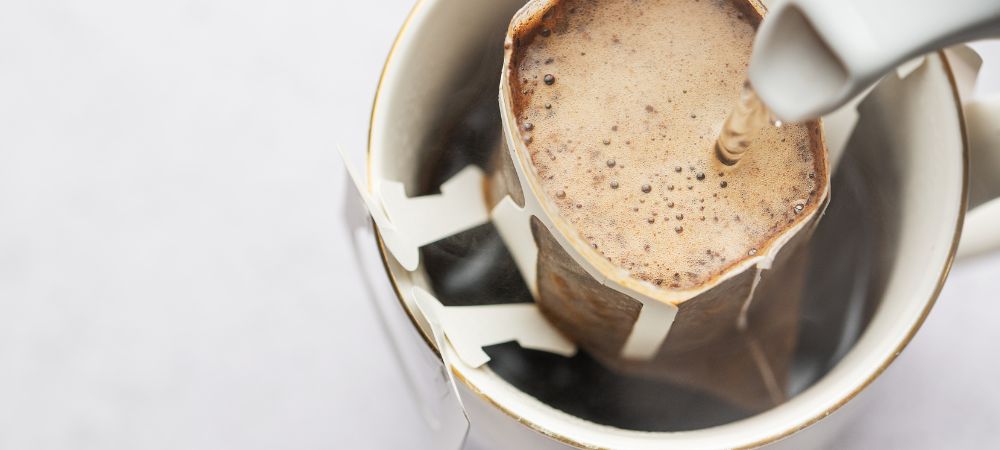
Rich in nitrogen, coffee grounds improve soil quality when sprinkled around plants or added to compost.
Homemade compost

Compost is one of the most complete and effective homemade fertilizers. As it is composed of organic waste such as fruit and vegetable scraps, peels and dried leaves, it provides a balanced source of nutrients for continued plant growth.
Nettle tea
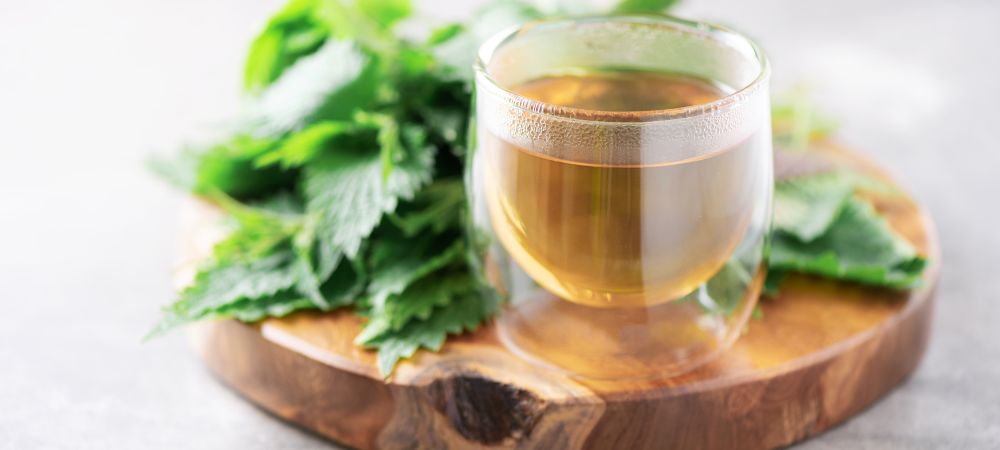
Nettle is rich in nitrogen, iron and other nutrients essential for rapid plant growth. You can prepare a tea with dried or fresh nettle leaves, leaving them to infuse in water for a week, and then use it as
Flowering stage fertilizers
For vibrant flowers, plants need extra phosphorus and potassium. These flowering fertilizers support flowering naturally:
Banana Peels
Banana peels are an excellent option to prepare a homemade fertilizer for flowering. They are rich in potassium and phosphorus, two essential nutrients for the growth and health of plants, which can be chopped and mixed with the substrate or brewed as a tea and left to steep in water for 48 hours.

Wood Ash
Wood ash is rich in potassium, calcium and magnesium, all important for plant growth. You can sprinkle it on the soil or dissolve it in water to use as a liquid fertilizer. You can also prepare an ash and coffee compost with which to further extend the benefits.

Homemade fertilizers by grow type
Indoor and outdoor crops have different characteristics, so there are fertilizers that work better in one type of crop than in another.
How to make homemade fertilizer for houseplants
Houseplants require compost to help maintain the moisture of the substrate and improve the quality of the soil. An ideal option is to prepare homemade compost using fruit and vegetable scraps, such as banana peels, apple peels or eggshells. These wastes decompose slowly, releasing essential nutrients for the roots and promoting healthy growth.
[ppgbo products=”4617,4327,467″ language=”de”]
To do this, you only have to gather the organic remains and allow them to decompose in a closed container, avoiding excess moisture. In this way, your indoor plants will receive a natural and balanced fertilizer, ideal for their development.
Homemade fertilizer for outdoor plants
For outdoor cultivation, it is important to use fertilizers that enrich the soil and provide it with the nutrients necessary for healthy plant growth. Manure and organic compost are two of the most effective fertilizers for this type of crop. Cow, chicken or horse manure is rich in nitrogen, phosphorus and potassium, essential nutrients for outdoor flora.
In addition, compost provides a rich variety of nutrients and microorganisms that improve soil structure, promoting water retention and fostering a healthy root environment. Both homemade fertilizers help maintain a fertile and lively soil, ideal for garden, orchard, and outdoor plants.
How to choose the best homemade fertilizer?
The best homemade fertilizer depends on your plant’s growth stage and specific nutrient needs. During early growth, nitrogen-rich options like compost tea can encourage leafy development. As your plant matures, adding wood ash for potassium and crushed eggshells for calcium can support flowering and fruiting. A balanced mix of these natural ingredients provides steady nutrition throughout all phases of growth.