Personalized attention +34 96 206 62 98
 SHIPPING TO ALL

 9/10 Rating
 Discreet shipping


Marijuana withdrawal is a topic that often raises many questions, especially among individuals who have consumed cannabis for a prolonged period and are considering reducing or quitting its use. Although many people believe that marijuana does not cause symptoms when discontinued, the truth is that both the body and mind can react when a long-standing habit is interrupted. Understanding what happens and how long this process may last helps approach it with calmness, accurate information, and realistic expectations.
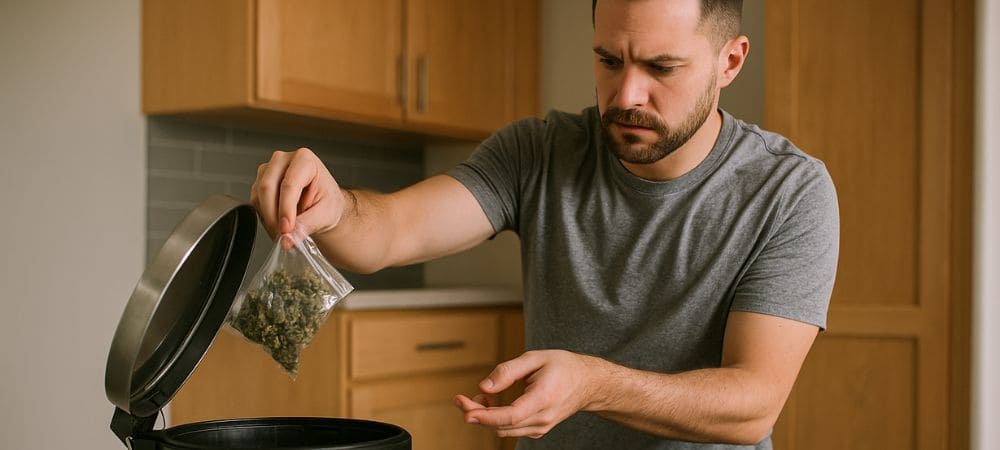
What is marijuana withdrawal syndrome?
Marijuana withdrawal is a group of physical and emotional symptoms that appear when a person stops using cannabis after frequent or long-term consumption. It is not considered a severe condition, but it can be uncomfortable—especially if someone is unaware of its phases or has a strong dependence on the habit.
The body gets used to receiving external cannabinoids, especially THC, and may even become dependent. When these cannabinoids are no longer present, the body needs time to regain its internal balance. During this process, irritability, sleep disturbances, appetite changes, or nervousness may appear. Although this may surprise people who associate marijuana with relaxation, it is a natural response from the body.
What symptoms are common during marijuana withdrawal?
Although not everyone experiences them the same way, the most common marijuana withdrawal symptoms include:
- Mood swings
- Mild to moderate irritability
- Difficulty sleeping
- Reduced appetite
- Headaches
- Tiredness or lack of motivation
- Feeling nervous or restless
- More vivid or intense dreams
- Cravings or urge to use again
These symptoms are temporary and disappear completely once the body restores its natural balance. They do not cause long-term harm or represent a serious health risk. In cases of high stress or anxiety, and only under medical supervision, some individuals may use medications.
How long does marijuana withdrawal last?
The big question: How long does marijuana withdrawal really last? While it varies from person to person, most studies agree that symptoms generally last between 7 and 21 days, with the first two weeks being the most intense.
Several factors influence the duration of marijuana withdrawal:
- Frequency of use
- Amount consumed daily
- Years of regular marijuana use
- Type of cannabis (THC potency)
- Emotional state and stress levels
- Quality of sleep before quitting
- Mixing marijuana with tobacco
Even so, strong symptoms typically fade around days 10–14, while milder symptoms may continue for a few more days. These symptoms usually follow distinct phases.
Quitting marijuana: The withdrawal phases
Phase 1: The first days (0–72 Hours)
During the first hours after quitting, marijuana withdrawal symptoms begin to appear gradually. Many people do not notice anything on day one, but the first signs usually show up between 24 and 48 hours.
During this phase, individuals may experience:
- Sleep disturbances or difficulty falling asleep
- Restlessness
- Changes in appetite
- Mild irritability
- Psychological craving (urge to use)
This is an initial adjustment period in which the body detects the absence of THC and begins regulating its own internal cannabinoids again.
Phase 2: Peak symptoms (Days 3 to 10)
This is the stage where marijuana withdrawal feels most intense. It is also the time when most relapses occur, as individuals may experience emotional discomfort or sleep problems.
During these days, symptoms may include:
- Interrupted sleep or very vivid dreams
- Marked irritability
- Mild anxiety or nervousness
- Difficulty concentrating
- Night sweats
- Occasional headaches
It is important to remember that although uncomfortable, this is a normal part of the body’s recovery process as it regains balance. It is neither dangerous nor permanent.
Phase 3: Gradual improvement (Days 10 to 21)
During this stage, marijuana withdrawal becomes less intense. Sleep begins to stabilize, mood improves, and appetite returns to normal. Uncomfortable sensations become milder and less frequent.
The desire to use again may persist for a few more days, especially during moments previously associated with cannabis use: arriving home, meeting friends, watching a movie at night… However, this is mostly psychological and decreases gradually over time.
| Phase | Approximate Duration | Most Common Symptoms | Intensity |
|---|---|---|---|
| Phase 1 | 0–72 hours | Sleep changes, mild irritability, nervousness, decreased appetite | Low to moderate |
| Phase 2 | Days 3–10 | Insomnia, vivid dreams, irritability, mild anxiety, headaches | High |
| Phase 3 | Days 10–21 | Overall improvement, increasingly mild symptoms, occasional cravings | Low |
| End of Process | Up to 21–28 days | Very mild residual discomfort | Very low |
Does marijuana withdrawal last the same for everyone?
No, the duration of cannabis withdrawal can vary depending on an individual’s lifestyle and consumption habits. For example, daily users often experience a longer withdrawal process. In contrast, occasional users usually have much shorter or barely noticeable symptoms.
People who mix marijuana with tobacco might confuse marijuana withdrawal with nicotine withdrawal, which is generally stronger. Individuals under high stress may experience more anxiety in the first few days. Consumers of high-THC strains often show slightly stronger symptoms.
Every case has its own pace, but the outcome is always the same: the body eventually adapts, and symptoms disappear.
How to make marijuana withdrawal more manageable
There are several simple strategies that can help make the marijuana withdrawal process more comfortable:
- Stay well hydrated and maintain a stable routine: Regularity helps balance sleep and mood.
- Avoid stimulants: Drinks like coffee or energy drinks can make resting during the first days more difficult.
- Engage in light or moderate physical activity: Walking, stretching, or gentle exercise reduces anxiety and improves sleep.
- Sleep at consistent hours: Sleep hygiene is crucial during the first days of marijuana withdrawal.
- Keep your mind occupied with enjoyable activities: Reading, cooking, watching shows, or socializing helps reduce cravings.

When does cannabis withdrawal end completely?
In most cases, marijuana withdrawal resolves completely before day 21. Some residual discomfort may persist a few days longer, but it gradually becomes milder until it fully disappears.
Many people find that after the initial phase, they experience clearer thinking, better rest, and a more stable sense of well-being than during constant marijuana use.
Marijuana withdrawal is a temporary, moderate, and manageable process that is part of the body’s natural adaptation when THC intake stops. Although it can last from one to three weeks, it improves day by day and does not pose a health risk. With clear information, realistic expectations, and a balanced routine, this process can be managed calmly and without complications.